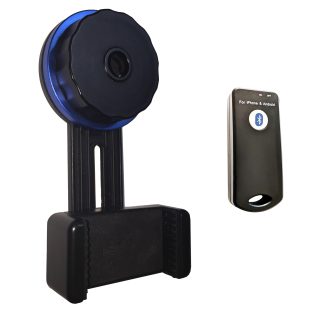
You’re standing up a screening program for a school district or an early-intervention site, and the vision screener you pick decides how many kids you can actually get through in a morning. Pick wrong and you’re fighting battery life, glare, and squirming three-year-olds. Here’s what separates a device that works in the field from one that stays in the closet.
Which children actually need instrument-based screening
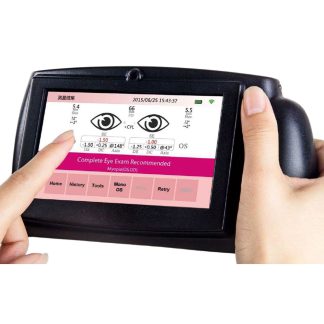
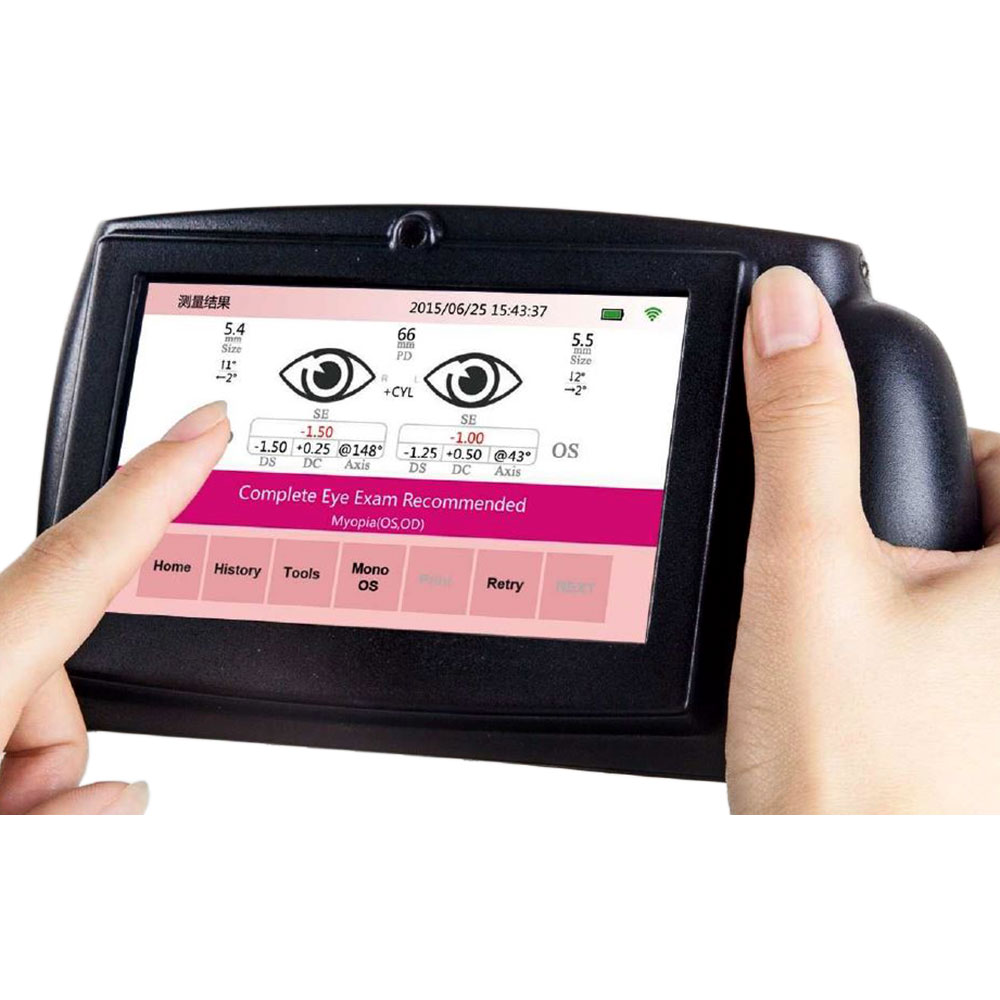 The Vision Screener Digital Eye and devices like it earn their place with the youngest patients. The AAP and AAPOS recommend instrument-based screening specifically for children under 4, where acuity charts fall apart, and the USPSTF backs automated screening at least once between ages 3 and 5. Above age 6, a chart is fine — a screener adds nothing there.
The clinical reason is straightforward: photoscreening reads the red reflex to estimate refractive error, media opacity, and ocular alignment — the amblyopia risk factors you can’t catch by asking a preverbal child to read a line. Validated devices hit 81–88% sensitivity for those risk factors, and they do it without depending on a toddler’s cooperation.
What the device has to do in a school setting
A screener that shines in a quiet exam lane can still fail on a cafeteria stage. These are the specs that separate the two:
Speed per child
If you’re screening a preschool roster in one visit, seconds matter. Instrument-based screening should take a fraction of the time of chart testing — that throughput is the entire point when the line is 40 kids long.
Portability and power
Field screening means no fixed lane and often no reliable outlet. Weight, a real battery runtime, and a case you can carry room to room decide whether the program is repeatable or a one-time event.
Age-adjusted referral criteria
Younger children pass at different thresholds. A screener whose referral criteria track the 2021 AAPOS guidelines by age keeps your over-referral rate sane — otherwise you flood the local ophthalmologist and burn the program’s credibility.
The program logistics people forget
The device is half the decision. Before you buy, walk through who runs it and what happens after a fail:
- Who performs the screening — office staff, school nurses, or trained volunteers?
- Can a non-clinician get a reliable reading, or does it need a technician?
- Where do referrals go, and is there a follow-up loop so failed kids actually get seen?
- Can you darken the room enough? Photoscreening wants lights off and shades drawn.
- Do you need a cover or stereo test alongside the instrument to confirm alignment?
Budget is more than the sticker price too — factor in cases, consumables, and whether you’re buying or leasing across multiple sites.
Matching the device to your program
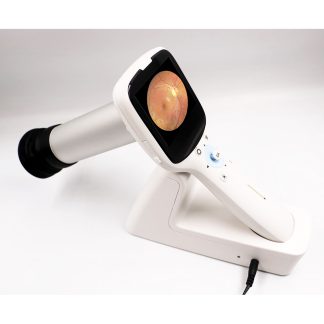
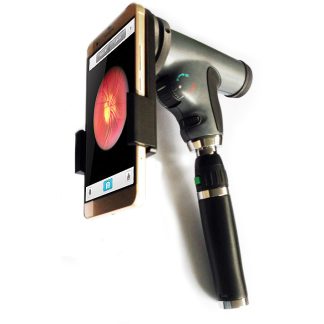
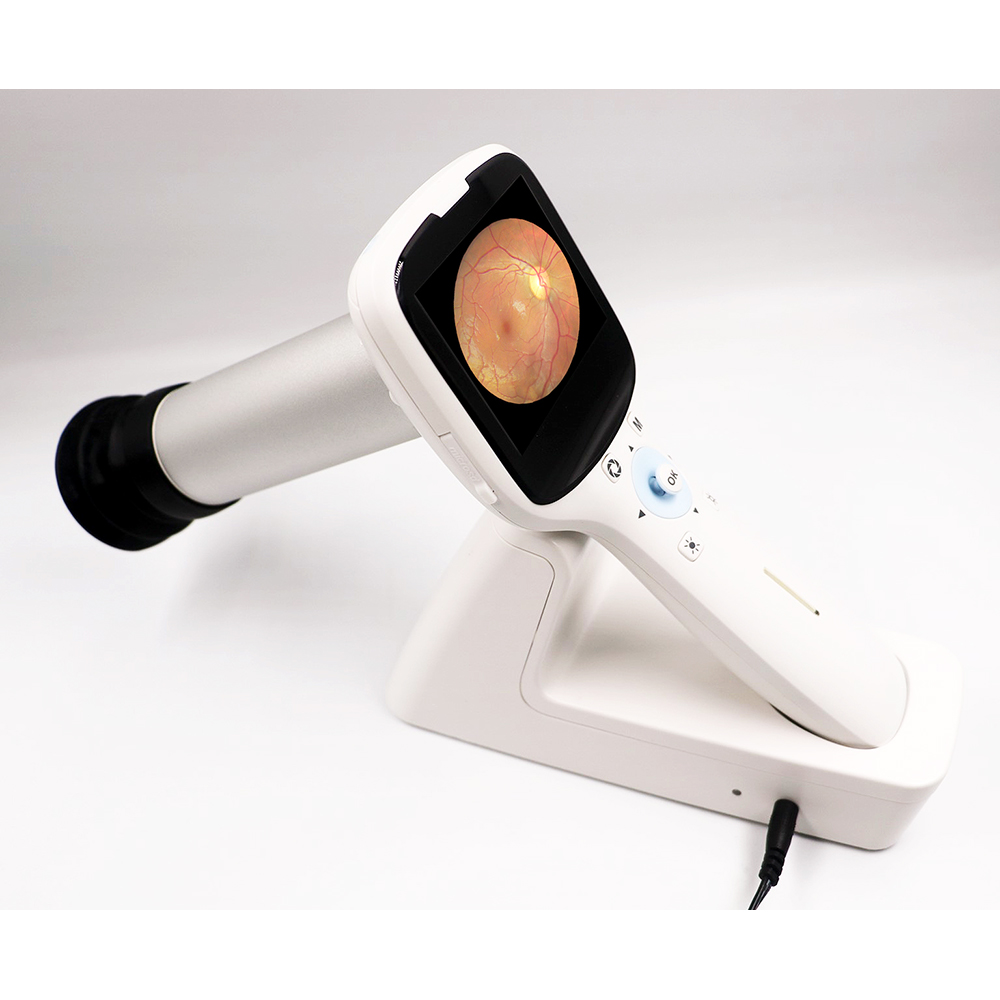 For pure preschool and early-intervention screening, a dedicated pediatric refractor like the Vision Screener Digital Eye covers the core job. If your program also documents posterior findings — a diabetic-screening arm, or a district that wants imaging on referral — a portable camera such as the FC-1000P portable fundus camera or the Eyerobo iFlash retinal camera lets one team carry both refractive screening and imaging into the same site. Match the kit to the population you’re actually screening, not the widest catalog you can assemble.
Currently in stock: the Vision Screener Digital Eye, the FC-1000P portable fundus camera, and the Eyerobo iFlash retinal camera.
Every unit we sell is inspected and verified by a certified ophthalmic equipment technician before it ships from Florida, and each one includes a warranty — so a device headed into a school program arrives ready to work.
Call us at 305-771-4562 and tell us who you’re screening and how many sites you cover — we’ll point you to the right screener and, if you need it, browse our full vision screener inventory or contact us here.