You’re pricing an autorefractor machine and the refurbished units are running thousands less than new — but you’re not sure what that discount is actually costing you. Here’s how to tell a solid refurbished unit from a gamble before you wire the money.
You want to document anterior segment findings on the slit lamp you already own, and every quote you pull up either points at a five-figure integrated camera module or a phone clip that fights you on every capture. The middle path is a beam splitter, and choosing the wrong one wastes weeks in return shipping.
This guide walks through what actually separates a good beam splitter camera setup from a frustrating one, so you buy once.
You want to record cases off your surgical microscope or capture anterior segment images from your slit lamp, and the quotes you’re getting name three different parts you’ve never had to think about. A c mount camera adapter is usually the piece that makes it work — but only if it matches your scope’s port and the camera you plan to hang off it. Here’s how the parts fit.
Getting video off an optical instrument is a chain: the microscope or slit lamp splits the light, an adapter carries the image to a mount, and a camera sits on that mount. Break the chain at any link — wrong port, wrong thread, wrong sensor — and you get vignetting, soft focus, or a camera that physically won’t seat. Before you buy anything, figure out which link you’re actually missing.
You’ve decided on a refurbished Zeiss Cirrus OCT and now you’re staring at a wall of model numbers — 500, 4000, 5000, 6000 — that all photograph identically and get quoted at wildly different prices. The platform name tells you almost nothing about what you’re actually buying. Here’s how the tiers separate, and which one earns its place in your lane.
You have a patient who can’t get to the lane — sedated in the ICU, a toddler who won’t hold still, a resident in a nursing facility, someone you’re screening in the field. A table-mounted slit lamp is the gold standard, but it assumes the patient can sit up, put their chin in the rest, and stay there. When that assumption breaks, a handheld slit lamp is what actually lets you do the exam.
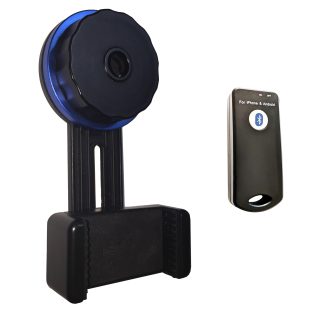
You want to document an anterior segment finding, and buying a dedicated imaging slit lamp is not in the budget this quarter. A slit lamp adapter is the cheap path to the same photo — but the wrong one gives you blurry, off-center images that never make it into the chart. Here is how to pick one that actually works.
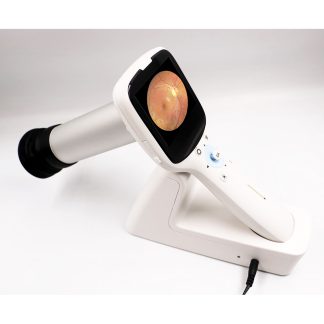
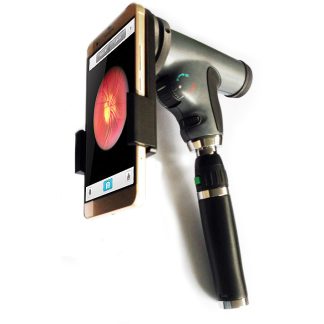
You want retinal images without buying a full fundus camera, and a smartphone fundus camera adapter looks like the shortcut. Sometimes it is. Just as often, it quietly costs you the documentation quality you were trying to capture. Here is how to tell which situation you are actually in before you spend anything.
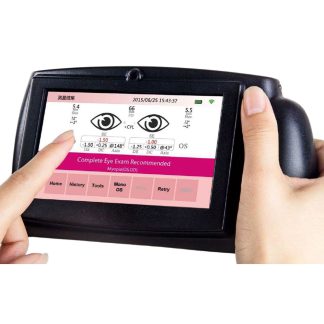
You’re standing up a screening program for a school district or an early-intervention site, and the vision screener you pick decides how many kids you can actually get through in a morning. Pick wrong and you’re fighting battery life, glare, and squirming three-year-olds. Here’s what separates a device that works in the field from one that stays in the closet.
You need a portable slit lamp because the patient cannot get to your lane — bedside rounds, a nursing home, a school screening day, or a satellite office that does not justify a full table setup. The trouble is that “portable” gets used for everything from a true one-hand handheld to a shrunken tabletop that merely fits in a case. Sorting that out first saves you from buying the wrong instrument.
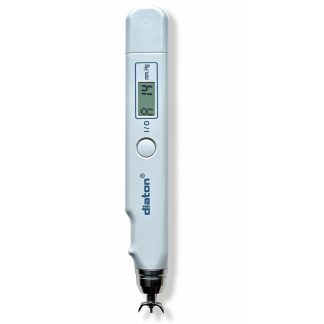
You have a patient in the chair whose cornea won’t cooperate — a graft, a scar, heavy edema, or a kid who won’t hold still at the slit lamp — and your Goldmann reading is a guess. That’s the exact gap the Diaton tonometer fills. It measures intraocular pressure through the eyelid, so the cornea stops being the problem. Here’s when that actually matters and when it doesn’t.

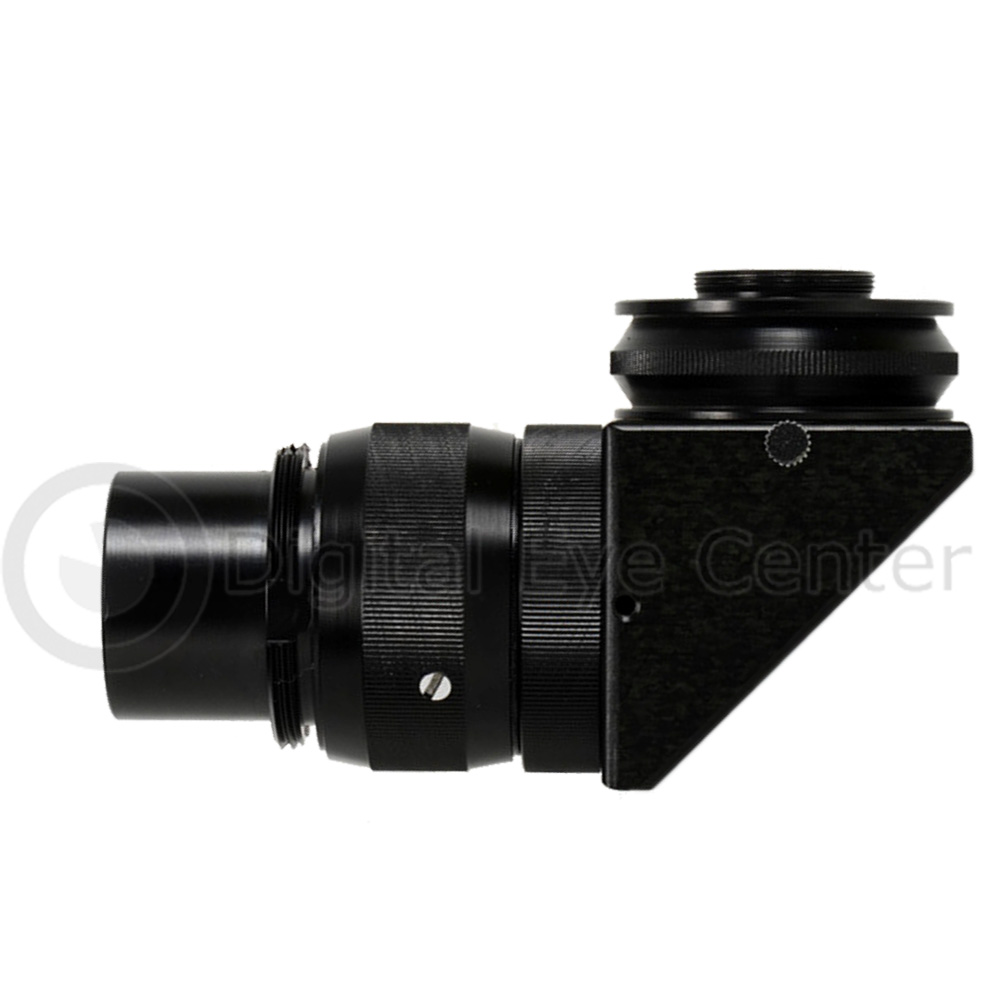 Getting video off an optical instrument is a chain: the microscope or slit lamp splits the light, an adapter carries the image to a mount, and a camera sits on that mount. Break the chain at any link — wrong port, wrong thread, wrong sensor — and you get vignetting, soft focus, or a camera that physically won’t seat. Before you buy anything, figure out which link you’re actually missing.