You want retinal images without buying a full fundus camera, and a smartphone fundus camera adapter looks like the shortcut. Sometimes it is. Just as often, it quietly costs you the documentation quality you were trying to capture. Here is how to tell which situation you are actually in before you spend anything.
What a smartphone fundus camera actually gives you
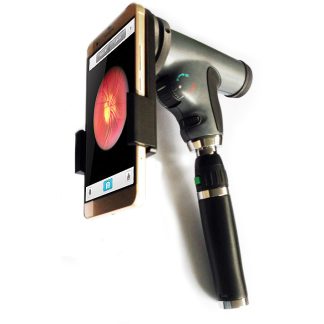
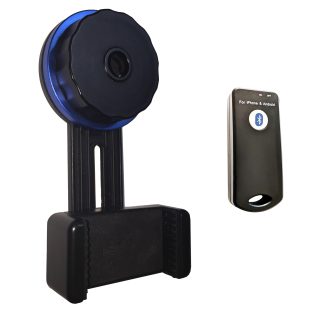
 A phone-based rig is a lens and mount that couples your smartphone to a condensing optic or an indirect adapter. It is cheap, it fits in a coat pocket, and for a quick posterior-pole look it can be enough. Where it falls short is repeatability. Field of view is narrow, illumination is uneven, and image quality depends heavily on your technique and the patient’s cooperation on that particular day.
If your goal is an occasional teaching capture or a same-visit photo to show a patient what you are seeing, an adapter clears that bar. If you need images you can hand to a retina specialist, compare month over month, or bill against, the variability starts working against you.
When the adapter is genuinely enough
Reach for the phone-based approach when documentation is the exception, not the workflow. A solo optometrist who photographs one or two interesting findings a week does not need a $10,000 instrument sitting idle. The same is true for a mobile provider who values pocket-sized gear over image consistency, or a resident building a personal teaching library.
The honest test is volume and stakes. Low volume, low medico-legal weight, informal comparison — the adapter fits. The moment any of those flips, the math changes.
When you have outgrown it
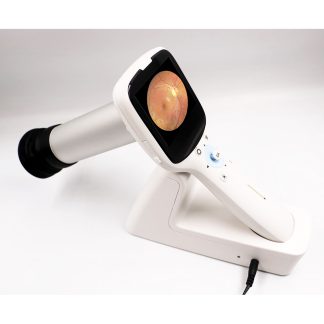
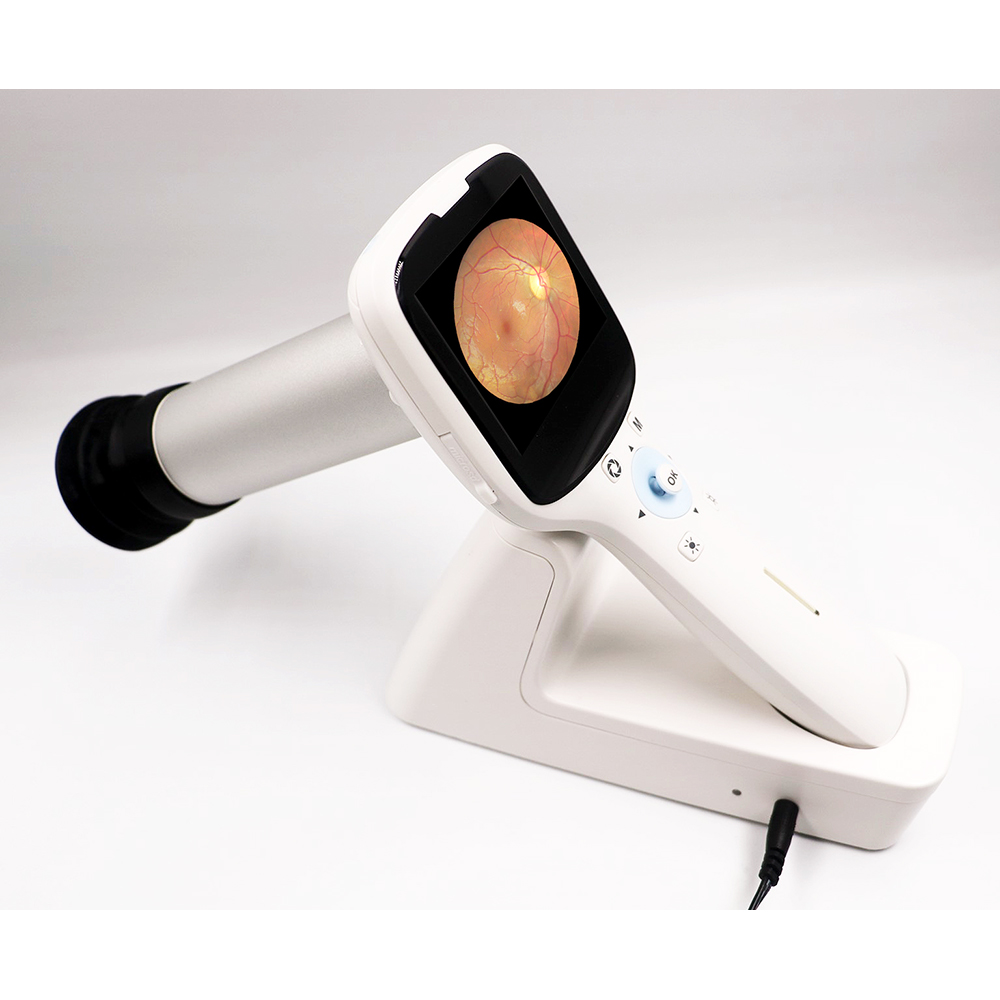
 If you are screening more than a handful of patients a day, a standalone camera stops being a luxury. A dedicated unit like the FC-1000P portable fundus camera gives you a fixed working distance, consistent illumination, and a repeatable field — so two photos of the same eye taken weeks apart are actually comparable. That is the property a phone rig cannot promise.
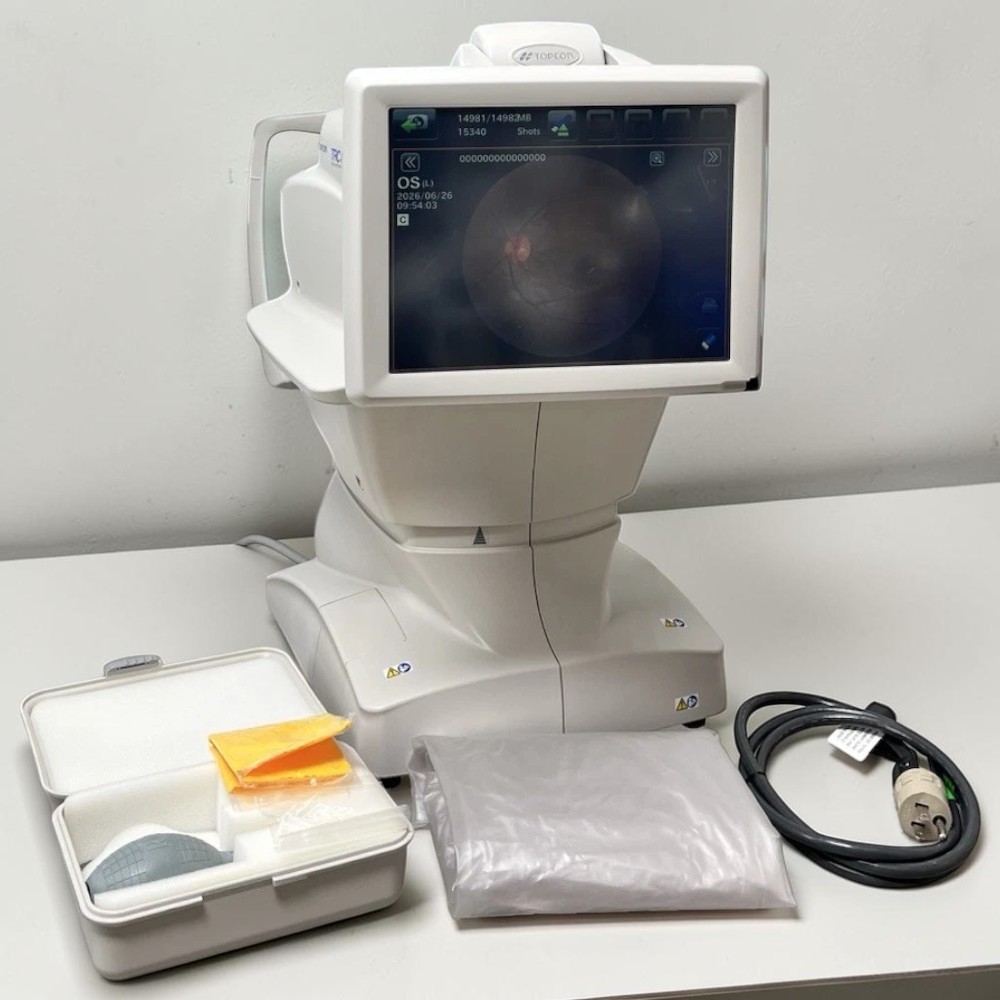
Throughput is the other tipping point. A non-mydriatic tabletop unit such as the Topcon TRC-NW400 lets a technician capture usable images without dilation, which matters the instant your screening column gets busy. Dilation kills flow at volume, and a phone adapter almost always assumes a dilated, cooperative pupil.
What to check before you decide
Whichever direction you lean, verify these before you commit:
What field of view do you actually need — posterior pole only, or peripheral sweeps? Do you require non-mydriatic capture to keep the lane moving? Will the images leave your office for referral or billing, and can this device produce that quality every time? Does it export in a format your EMR accepts? And on any used or refurbished unit — what was inspected, what was replaced, and what warranty backs it?
Answer those honestly and the choice usually makes itself. Most practices that “just need occasional photos” discover within a year that occasional became routine — and a standalone camera would have paid for itself in retakes and referrals avoided.
Currently in stock
If you have decided a standalone unit is the right call, these are worth a look right now: the DEC-built FC-1000P Portable Fundus Camera for a genuinely portable option, and the Topcon TRC-NW400 Non-Mydriatic Retinal Camera for non-dilated tabletop screening. You can also browse our full fundus camera inventory for wider-field and imaging-plus-OCT configurations.
Every refurbished camera we sell is inspected and verified by a certified ophthalmic technician before it ships from Florida, and each unit includes a warranty.
Tell us how many patients you image and whether you need non-mydriatic capture, and we will point you to the unit that fits — not the most expensive one on the page. Call 305-771-4562 or contact us here.