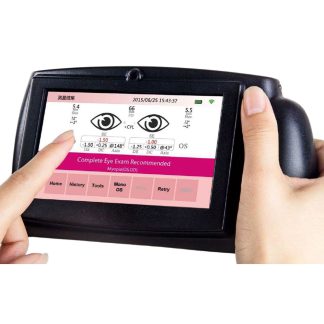
You want to start documenting slit lamp findings — anterior segment lesions, ulcers, post-op changes — and the easiest path is your phone. The hard part is figuring out which slit lamp adapter actually works on your specific lamp without alignment headaches or vignetting. Here’s how to choose between smartphone, DSLR, and C-mount paths, and what to verify before you buy.
Smartphone vs. DSLR vs. C-Mount — start with what you already own
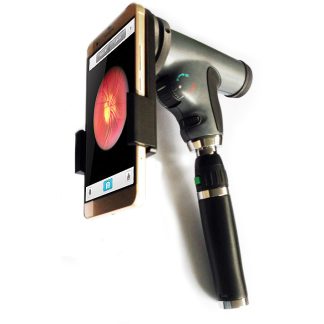
 The first decision is camera platform, and it’s almost always driven by what’s already in your office. A smartphone adapter is the cheapest entry point, the image quality is more than adequate for chart documentation, and most clinicians already carry the device. A DSLR gives you better dynamic range and depth of focus for teaching files or publication-grade images. A C-mount setup feeds a dedicated camera or recording system — useful if you also want video for telemedicine or training.
If you’re documenting for the chart and the occasional referral, a smartphone adapter does the job. If you’re building a teaching collection or running a residency program, a DSLR or C-mount path pays back the extra cost in image quality.
Universal vs. phone-specific — the alignment problem
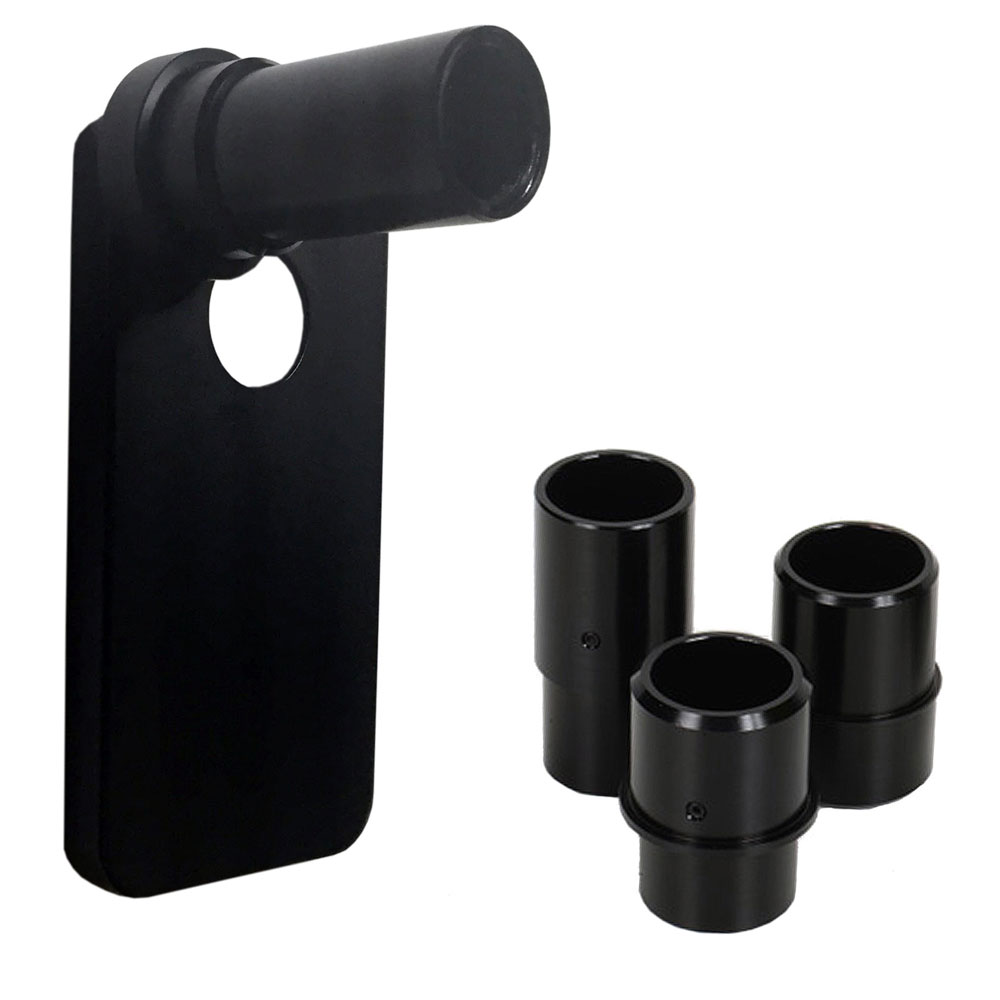
Universal smartphone adapters use spring-loaded clamps or sleeves to fit any phone. Phone-specific adapters lock to one model, which means the camera lens lines up exactly with the eyepiece every time. The trade-off is that universals are forgiving when you upgrade phones; phone-specific options give a sharper, more repeatable image but become useless the day you switch devices.
If you change phones every release cycle, go universal. The Universal Smartphone Slit Lamp Adapter with Sleeves covers most current models and works across iPhone and Android. If you’re locked into the Apple ecosystem and don’t plan to switch, a dedicated iPhone Slit Lamp Adapter or Samsung Galaxy adapter gives the cleanest alignment.
Compatibility — verify before you buy
 Slit lamp eyepieces are not standardized. Haag-Streit, Topcon, Zeiss, Marco, and CSO all use slightly different barrel diameters and locking mechanisms. Most universal adapters publish a compatibility list — read it carefully. The two questions to ask before purchase:
What’s the eyepiece outer diameter on your slit lamp? A universal clamp covers a typical range (around 28–35 mm), but a non-standard scope can fall outside it. Do you have a beam splitter installed? Some adapters mount on the observer tube of a beam splitter rather than directly on an eyepiece — the geometry is different, and the wrong adapter will vignette badly.
If your slit lamp doesn’t have a beam splitter and you want photo capability without spending five figures on a Haag-Streit camera module, a smartphone adapter on the eyepiece is the workaround. If you do have a beam splitter, mount the adapter to the observer port instead — the image is squarer and the operator can keep both eyes on the patient.
The remote shutter detail nobody mentions
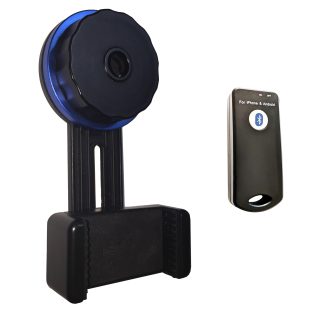
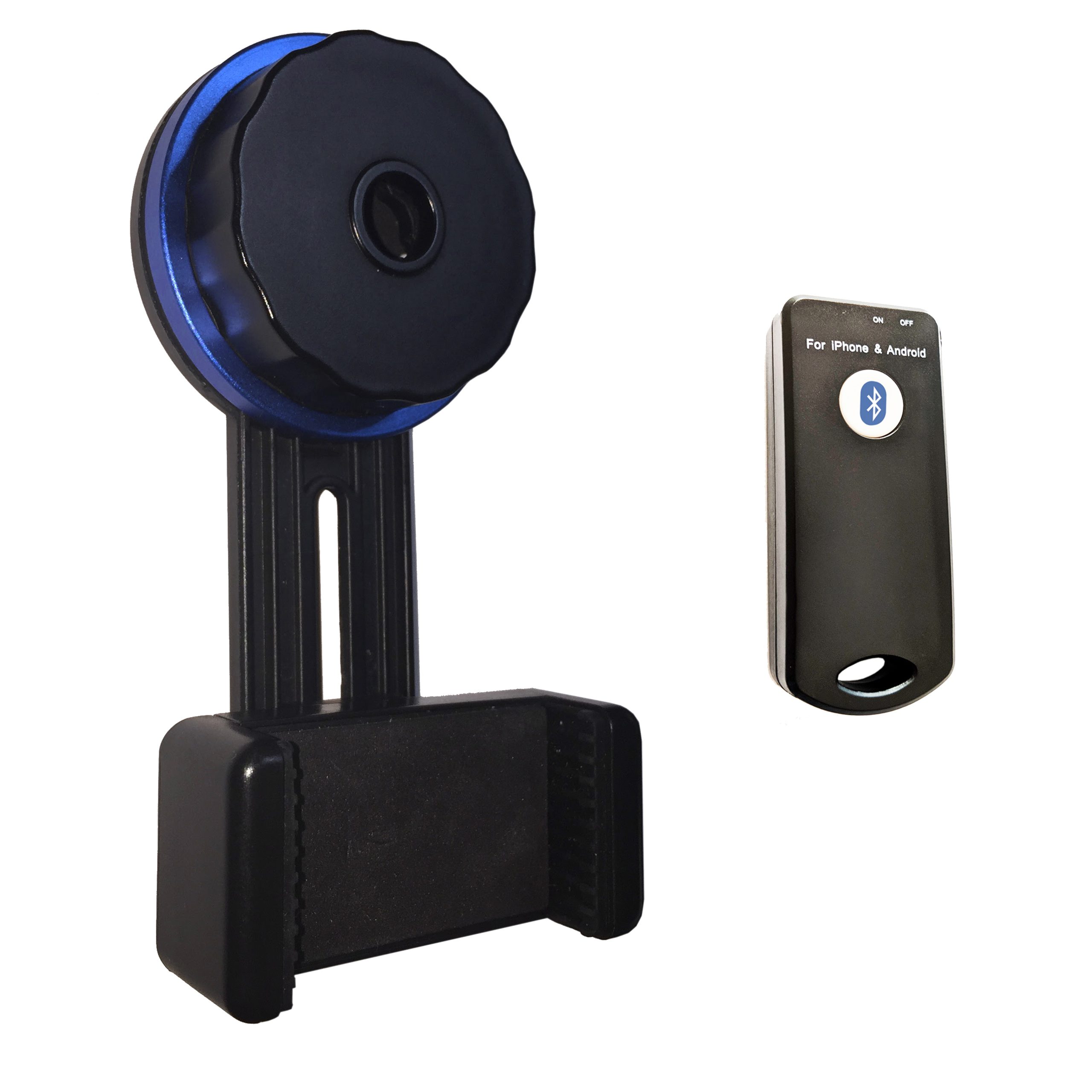
Holding the slit lamp joystick with one hand and tapping a screen with the other is harder than it sounds, and the patient blinks the moment you press. A bluetooth remote shutter is the difference between getting a usable image on the first try and rebooking. The Universal Slit Lamp Adapter with Remote bundles the remote with the clamp; if you’re buying a different adapter, pick up a generic bluetooth shutter for $15 and pair it before the next slit lamp session.
DSLR and C-mount — when image quality matters
For practices building image libraries, the Slit Lamp Camera Adapter for Canon DSLR attaches to a Canon body and produces dramatically better images than a phone — especially for teaching, publication, or detailed corneal photography. C-mount adapters like the Microscope Video Camera Adapter for C-mount or the higher-resolution C-mount Full HD adapter feed an external video camera or recorder, which is the right path for video-rate documentation, telemedicine forwarding, or building a training video archive.
Currently in stock
Tier 1 adapters we keep on hand and ship from Florida: Universal Slit Lamp Adapter with Remote, Universal Smartphone Adapter with Sleeves, iPhone Slit Lamp Adapter, and Slit Lamp Camera Adapter for Canon DSLR. Browse the full slit lamp adapter inventory for the current lineup.
Every adapter we sell is inspected, tested with a representative slit lamp, and shipped from our Florida warehouse with a warranty. If a unit doesn’t fit your scope on arrival, we replace it.
Call us at 305-771-4562 and tell us which slit lamp model you’re using and whether you have a beam splitter — we’ll point you to the adapter that lines up cleanly the first time, or contact us here.