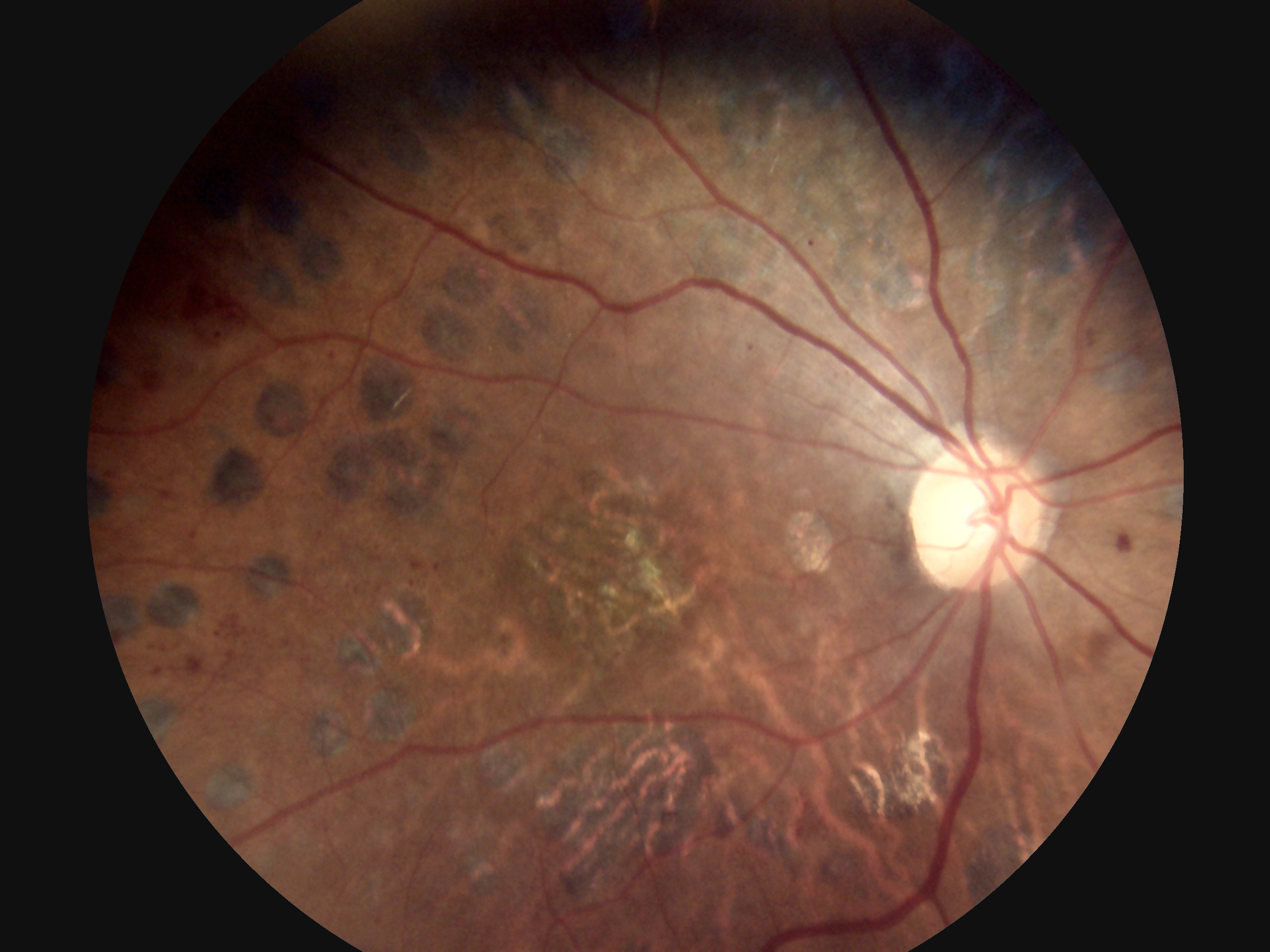
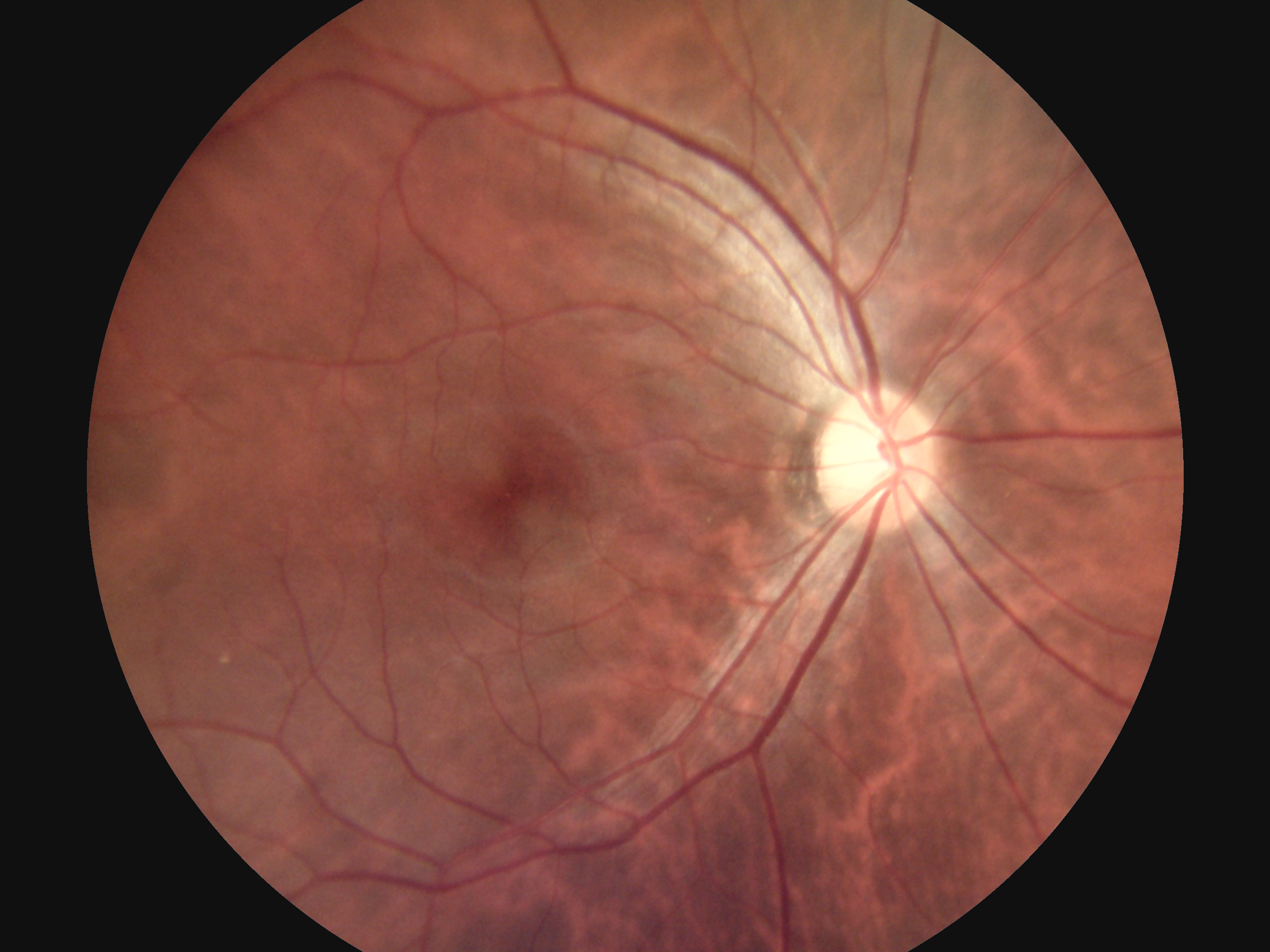
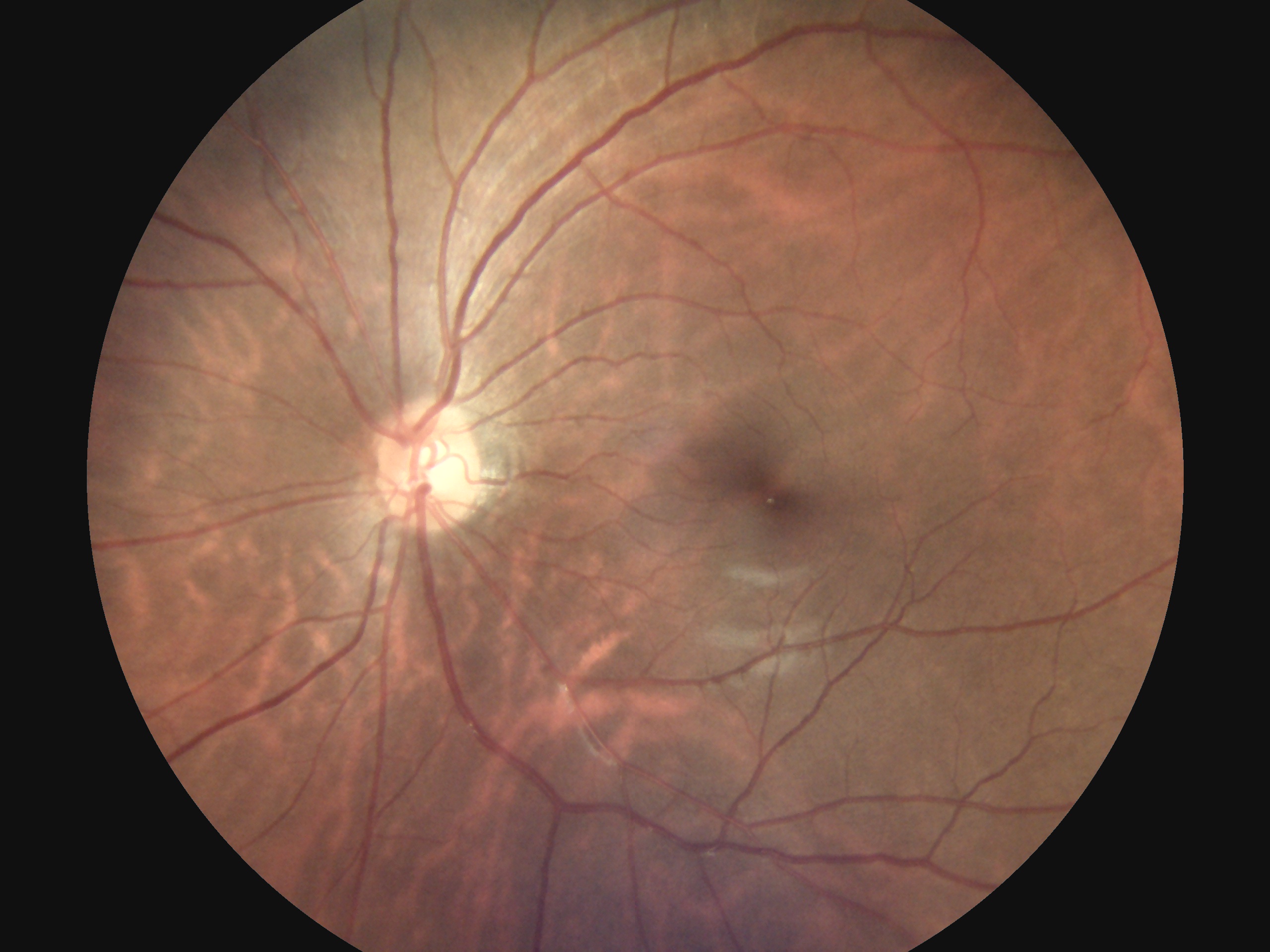
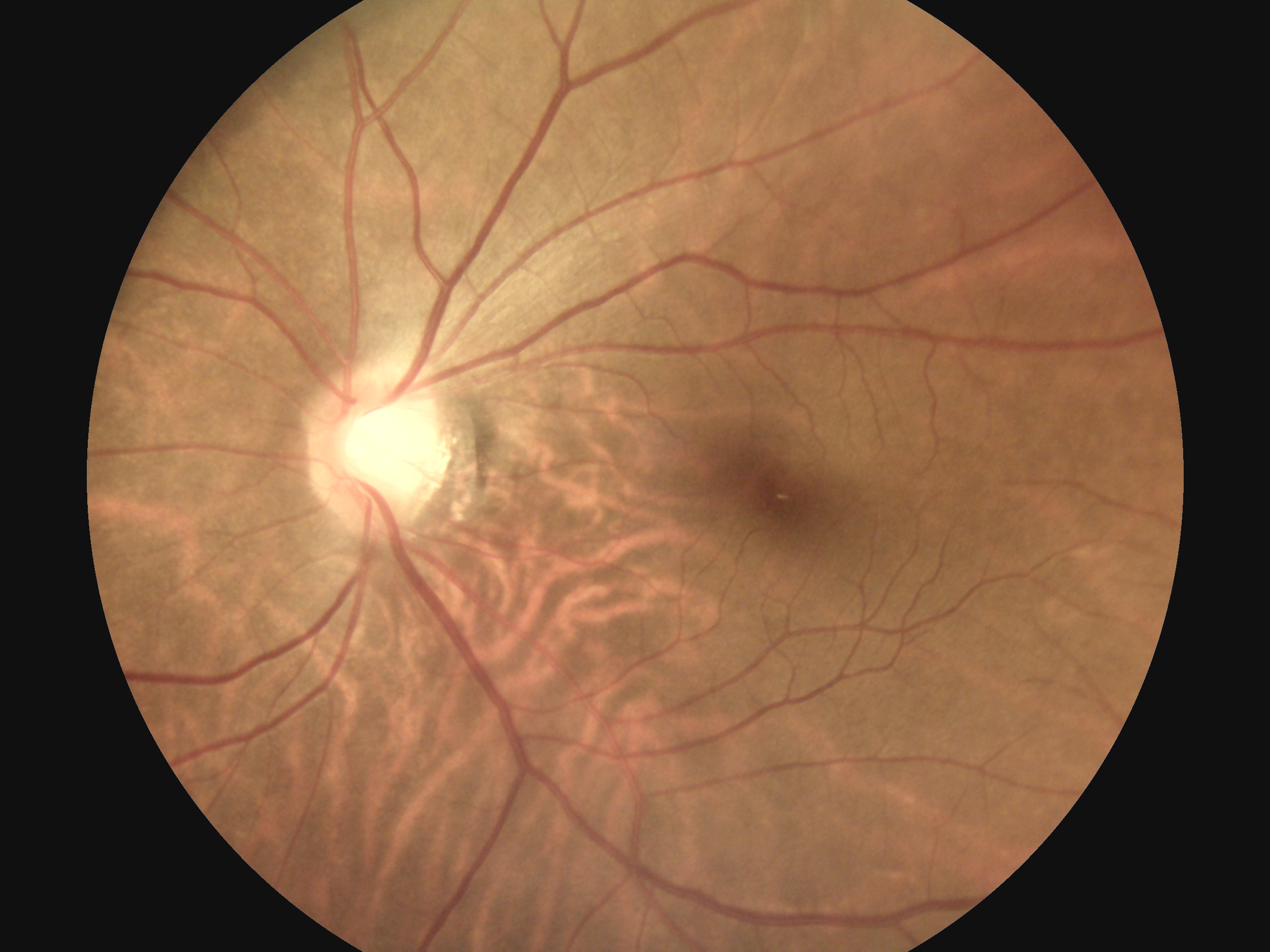
Description
This exact unit sold recently — but we specialize in sourcing refurbished ophthalmic equipment. Typical turnaround is 2–4 weeks once we confirm availability with our partners. Request a free quote with no deposit required.
Request Availability → Free quote · No obligation · 90-day warranty when shipped
Similar Fundus Photography Equipment In Stock Now
Need a comparable fundus photography equipment available today? This unit is in stock and ready to ship with a 90-day Digital Eye Center warranty.
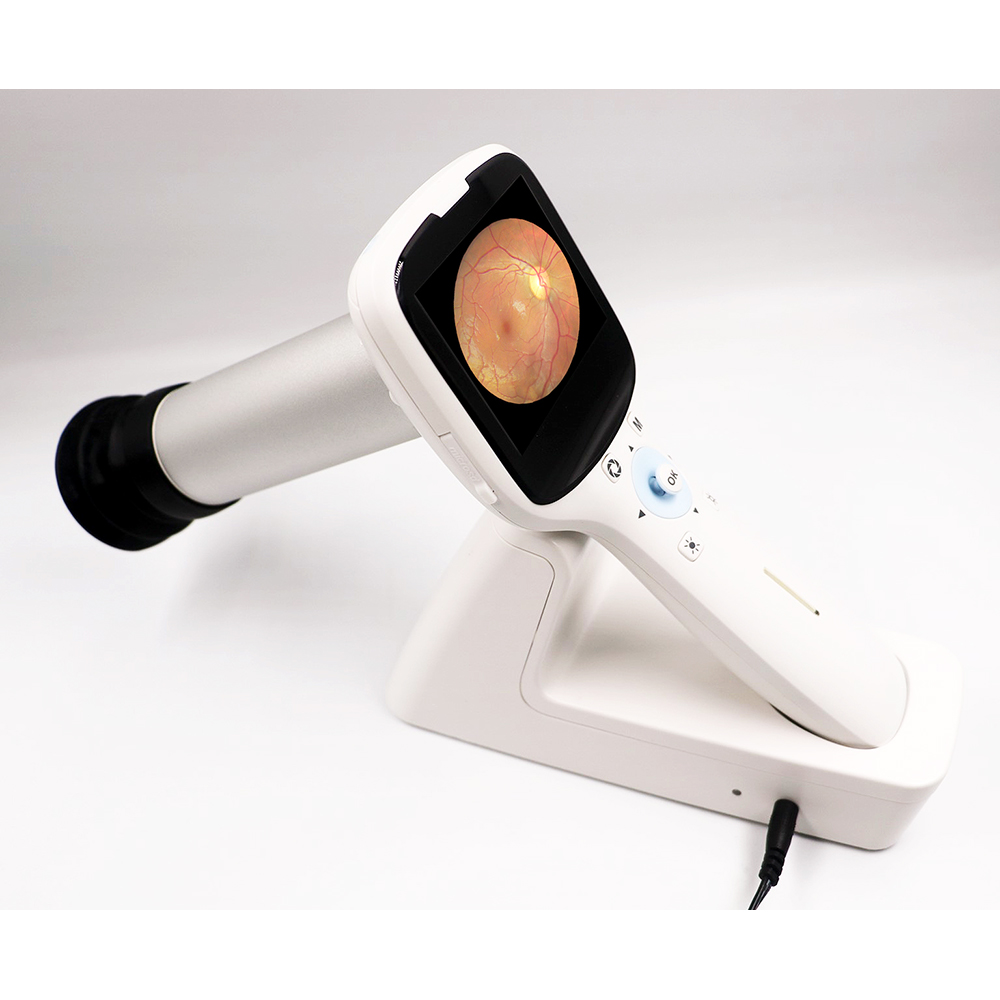
Prefer to wait for the Portable Fundus Camera Digital Horus 200 – 5 mpx, Autofocus.? Request availability and we’ll source one for you.
What’s Included
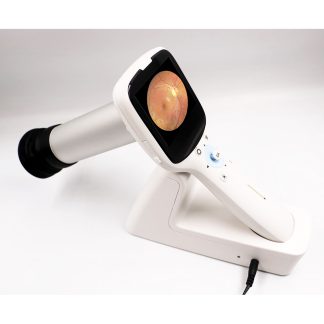
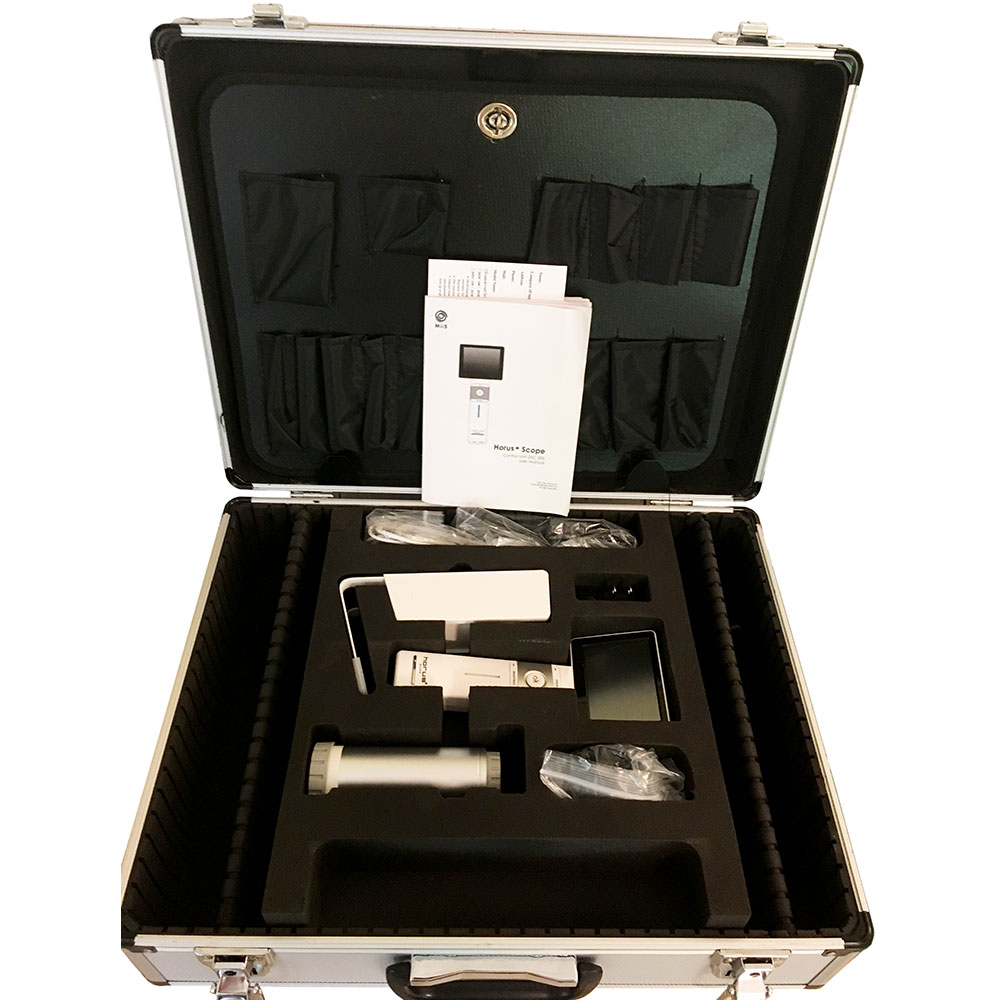
- Horus 200 handheld fundus camera
- Base / charging dock
- SD memory card
- USB cable
- Video cable (AV out)
- Custom metallic carrying case
- Instruction manual
- 1-year Digital Eye Center warranty
Condition & Warranty
Brand new. The Horus 200 ships factory-new in original packaging, complete with all accessories. Covered by a 1-year warranty on parts and workmanship.
Handheld Fundus Camera Horus 200 — 5MP Non-Mydriatic Retinal Imager
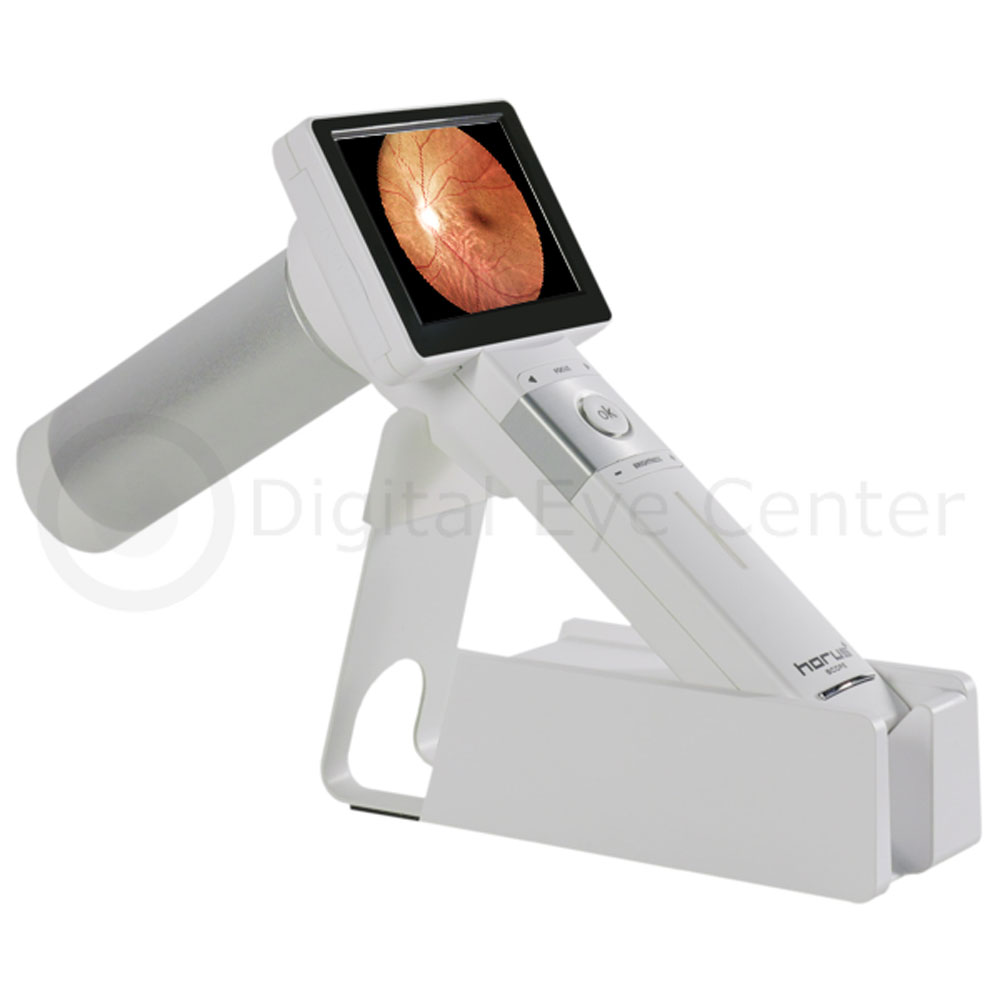 The Horus 200 is a compact, battery-powered handheld fundus camera delivering 5-megapixel non-mydriatic retinal photography through a 3.5mm pupil — no dilation required. Its 45° non-mydriatic field of view, autofocus system, and 3.5″ touchscreen make it an efficient capture platform for diabetic retinopathy screening, optic disc documentation, and macular evaluation in any clinical setting. At just 500 grams, this handheld fundus camera is designed for mobile use — from the primary care office to nursing home visits, school screenings, and field-based telemedicine programs. Images are stored in JPEG format on a 2–32GB SD card (up to 80,000 images), with direct USB and AV output for live PC streaming and real-time review. Sold brand new with a 1-year Digital Eye Center warranty.
According to the National Library of Medicine, portable non-mydriatic fundus cameras provide clinically reliable imaging suitable for acute and mobile consultations — confirming that handheld fundus camera technology delivers diagnostic image quality outside traditional ophthalmic settings.
Why Practices Choose the Horus 200 Handheld Fundus Camera
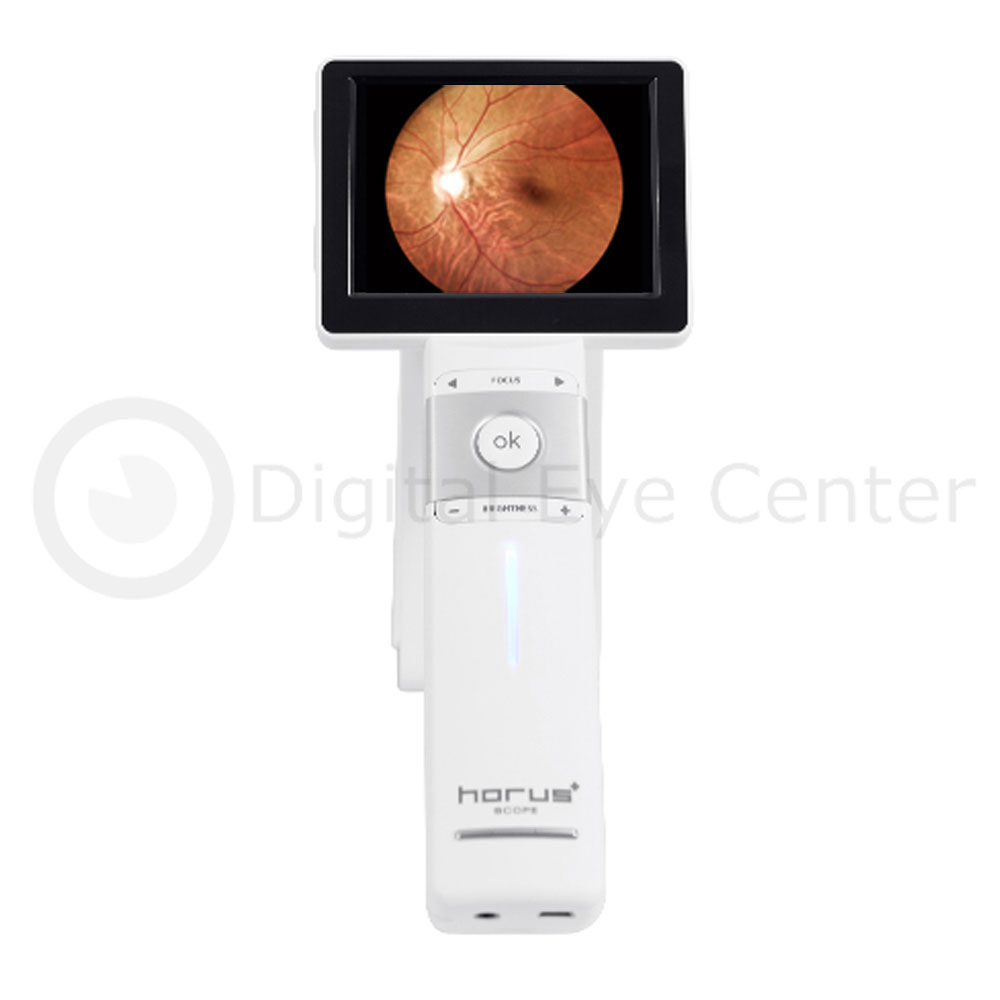
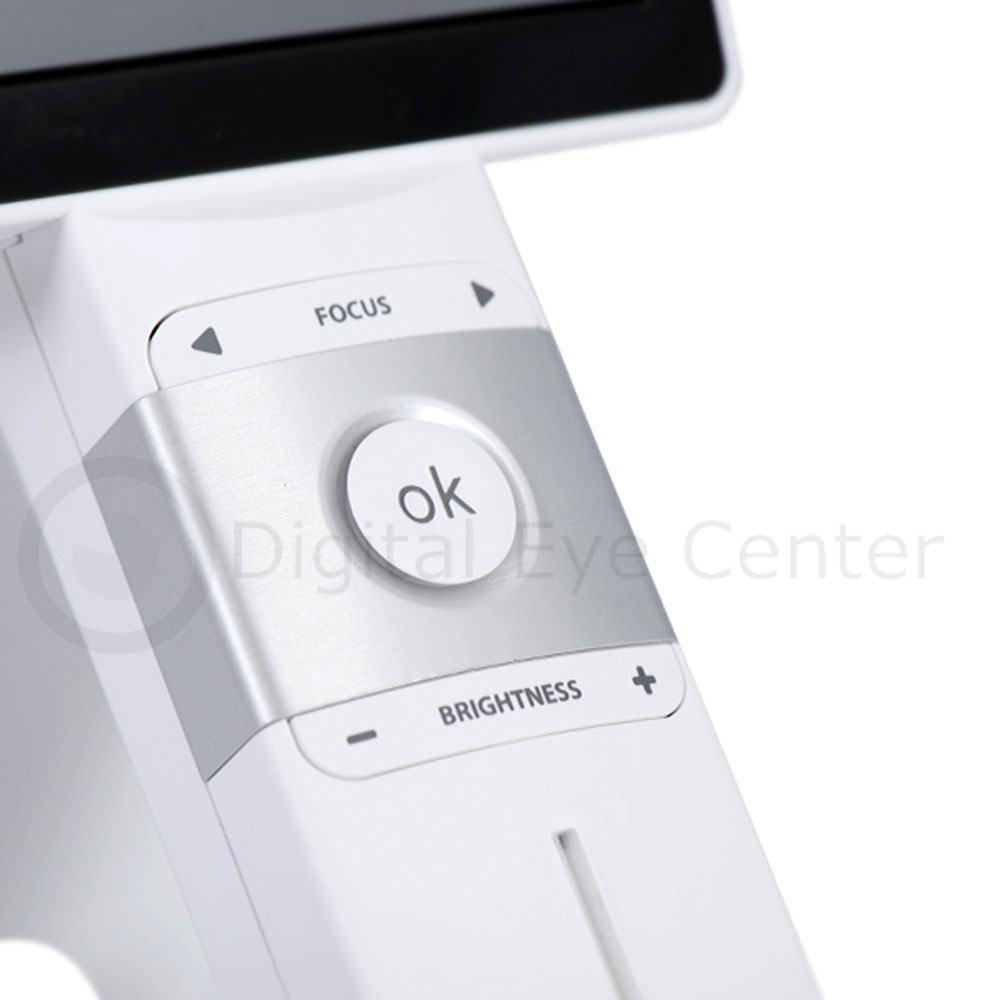 The Horus 200 combines the core capabilities of a clinical fundus camera in a 500-gram handheld package that operates entirely on battery power. A large tactile control panel with dedicated FOCUS and BRIGHTNESS buttons — visible and operable with one hand — allows fast image acquisition without pulling away from the patient, while the 3.5″ touchscreen provides immediate on-screen review without a separate monitor.
- 45° non-mydriatic imaging through 3.5mm pupil — captures the optic disc, macula, and posterior pole without dilation in the vast majority of patients, enabling high-throughput screening without a dedicated darkroom or dilation protocol.
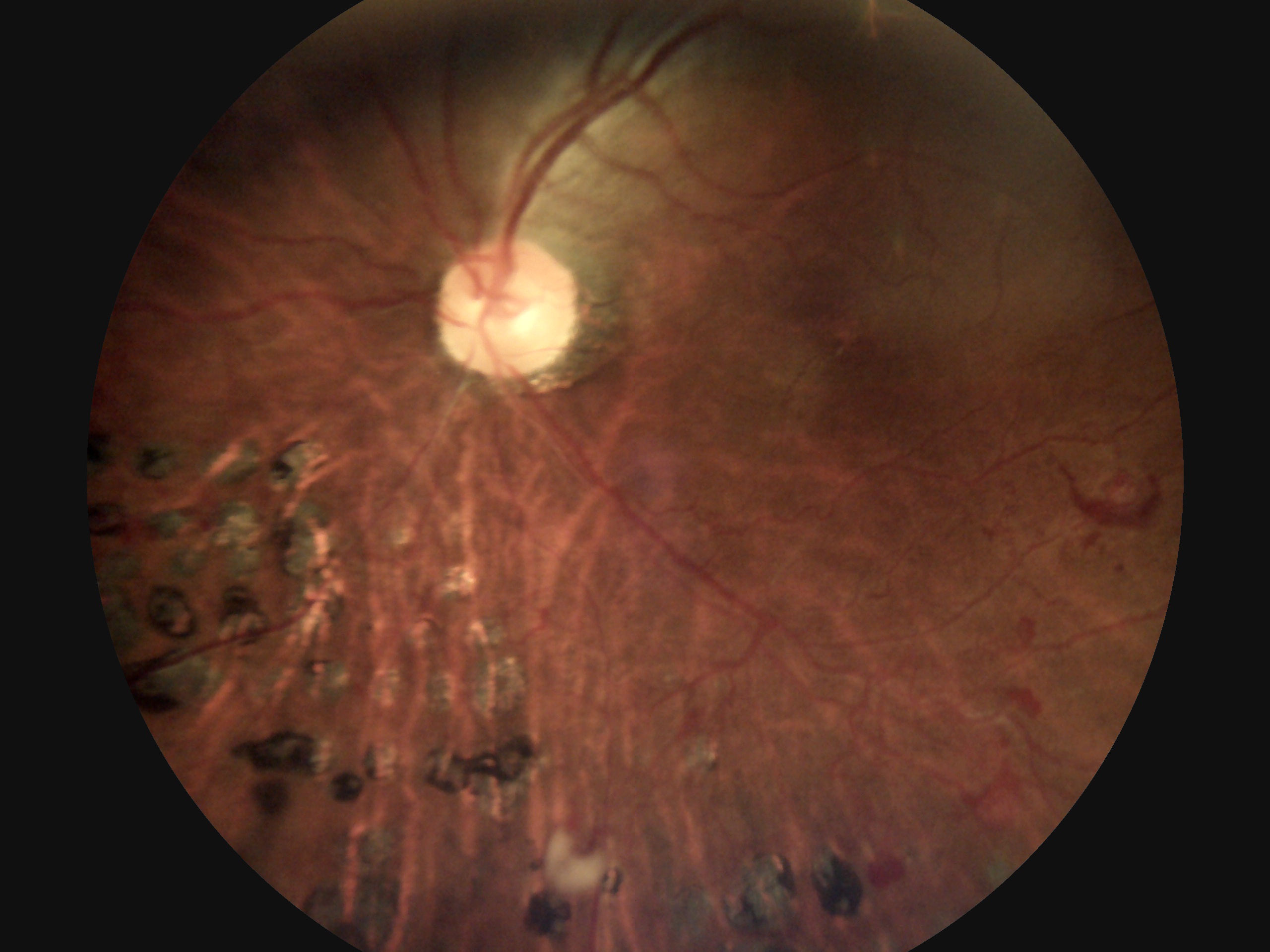
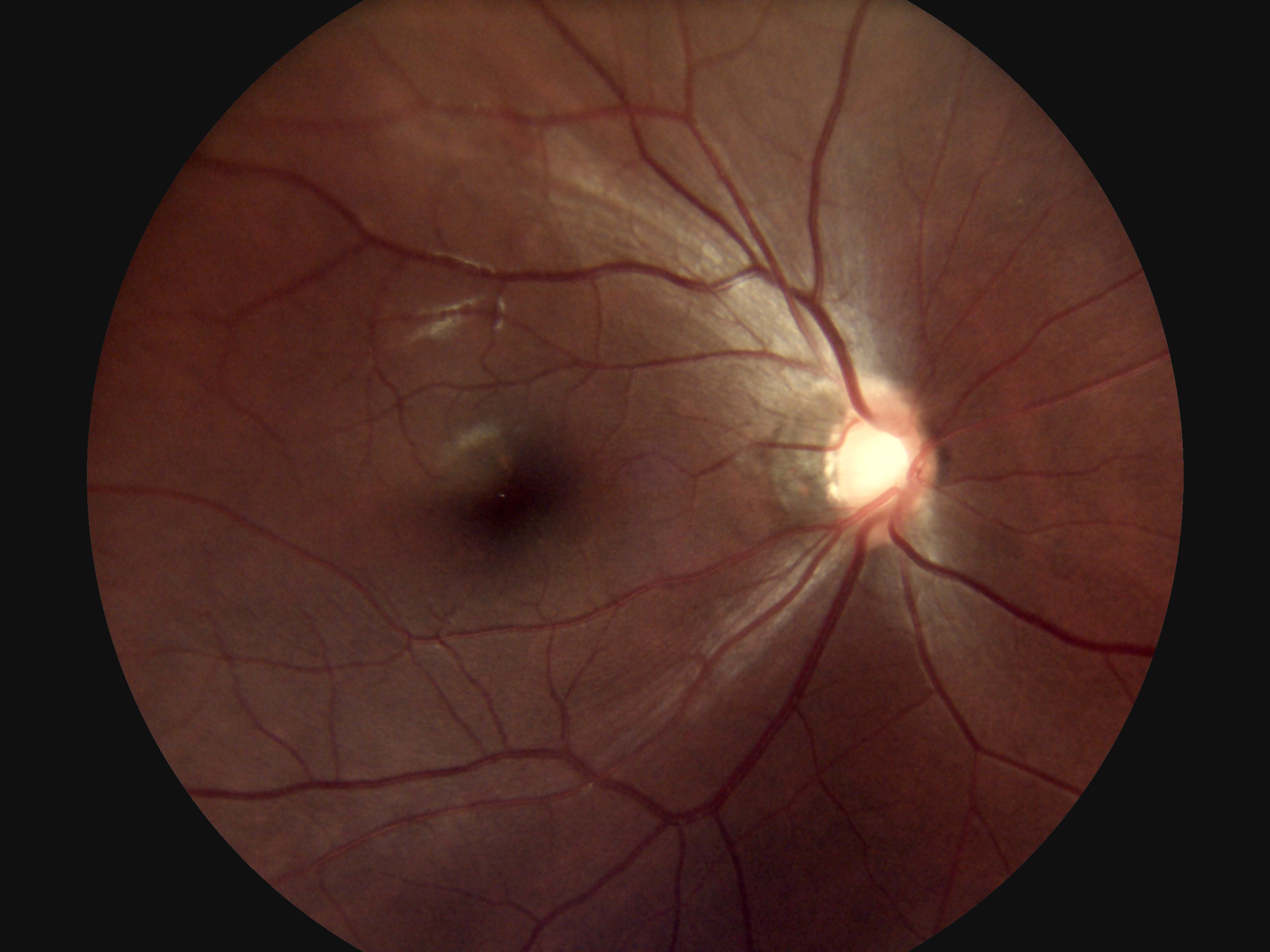
- 5MP sensor (2592 × 1944) — produces high-definition retinal images with sufficient detail for cup-to-disc ratio assessment, hard exudates, hemorrhages, and neovascularization grading.
- Autofocus with -20D to +20D manual range — the autofocus system handles most patients instantly; manual -20D to +20D adjustment covers high myopes and hyperopes without additional trial lenses.
- Color, red-free, and infrared imaging modes — three capture modes in one device: color for standard documentation, red-free for hemorrhage and vessel contrast, infrared for subretinal structure visualization.
- 3.5″ TFT-LCD touchscreen display — immediate on-screen image review, navigation, and patient data entry directly on the handset without a separate workstation, supporting fast exam workflows in mobile settings.
- 3-hour battery / 80,000-image SD card capacity — two hours of continuous operation and SD card storage for a full day of screening without recharging or offloading images between sessions.
- USB live streaming (UVC) — direct USB connection to any PC or tablet enables real-time fundus video streaming for teaching, telemedicine consultations, and remote review during the exam.
- 7 internal fixation targets — systematic fixation guidance enables reproducible peripheral field coverage beyond the standard central field, supporting consistent retinal documentation across visits.
- FDA cleared — cleared for clinical use in the United States, supporting compliance-conscious practice purchasing decisions.
Clinical Applications
 The Horus 200 is designed for clinical environments where portability, speed, and patient accessibility matter as much as image quality — making it the practical choice for practices expanding beyond the traditional exam room fundus workflow.
- Diabetic retinopathy screening — non-mydriatic 45° capture enables single-field or two-field DR screening protocols without dilation; USB and SD card output support teleretinal reading center submission and AI-assisted grading.
- Optic disc and glaucoma follow-up — 5MP resolution and autofocus provide disc detail adequate for cup-to-disc ratio documentation and glaucoma surveillance in practices without a dedicated table-top fundus camera.
- Mobile and bedside examinations — at 500g with 3-hour battery operation, the Horus 200 reaches nursing home, hospital bedside, and wheelchair-bound patients where tabletop instruments are inaccessible.
- Telemedicine and teleophthalmology — JPEG output and USB live-streaming enable real-time remote specialist review, image upload to EMR or teleretinal platforms, and synchronous video consultation.
- School and community screening programs — non-mydriatic capture without a dark room, combined with the carrying case for transport, supports high-volume community outreach at schools, community centers, and health fairs.
- Beyond ophthalmology — non-mydriatic retinal imaging supports broader systemic health screening: cardiovascular risk assessment from retinal microvascular changes, neurological applications including papilledema evaluation, and emergency department screening workflows.
Who This Is For
- Ophthalmologists and optometrists adding a portable non-mydriatic fundus camera for mobile screenings, secondary office locations, or situations where the table-top camera is occupied or inaccessible.
- Primary care physicians and endocrinologists implementing in-office diabetic retinopathy screening without referring patients to a separate ophthalmic facility.
- Telemedicine and teleretinal programs deploying handheld fundus cameras in community health workers’ kits for field-based image capture and remote grading submission.
- Emergency physicians and hospitalists evaluating papilledema, hypertensive retinopathy, or diabetic changes at the bedside without transport to ophthalmology.
Technical Specifications
| Specification | Detail |
| Field of view | 45° (non-mydriatic) |
| Minimum pupil size | 3.5mm |
| Camera resolution | 5MP (2592 × 1944) |
| Focus range | Autofocus; manual -20D to +20D |
| Imaging modes | Color, red-free, infrared |
| Display | 3.5″ TFT-LCD touch screen |
| Fixation targets | 7 internal |
| Operating distance | 24mm |
| Digital magnification | Up to 2× |
| Image format | JPEG (still); H.264 (video) |
| Storage | SD card 2–32GB (up to 80,000 images) |
| Connectivity | USB (UVC live stream), AV composite out |
| Battery life | ~3 hours continuous |
| Charge time | ~5 hours |
| Weight | 500g |
| Dimensions | 20 × 9 × 20cm |
| Regulatory | FDA cleared |
| Condition | Brand new |
| Warranty | 1-year Digital Eye Center warranty |
Compare Handheld Fundus Cameras
| Product | Resolution | Condition | Price |
| Horus 200 5MP | 5MP | New | $5,016 |
| Microclear Luna 16MP | 16MP | New | $5,277 |
| FC-1000P 2MP Portable | 2MP | New | $3,290 |
Looking for higher resolution? See the Microclear Luna 16MP handheld fundus camera.
Questions about this handheld fundus camera? Contact us for availability and shipping details.