Aun puedo recordar la primera vez que use una lampara de hendidura.
Después de verla y pensar “Que forma mas rara de este microscopio”, me senté en el banquillo y a través de los oculares vi al ojo humano como nunca lo había visto antes. Mi primer pensamiento fue “Increíble!”.
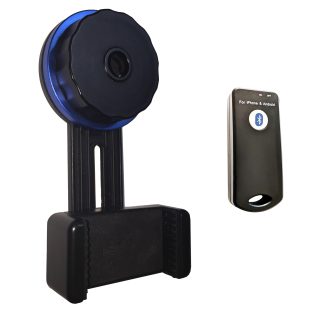
An intelligent way to take excellent slit lamp pictures is with an iPhone slit lamp adapter.
If you are a curious person, then by now, you have been trying to take pictures through your slit lamp with your iPhone, right?
I will detail the advantages of using an iPhone slit lamp adapter as your primary tool for digital photography, the different options you will find in the market, and how to use it to create fabulous pictures.
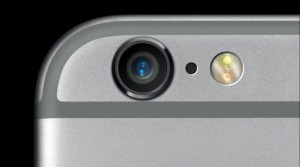
What did you try to do when you got your first iPhone? For me, it was the camera. The TV ads would not stop promoting the idea that this new iPhone would be the only camera we needed, so I had to test it—and I was not disappointed.
While Apple kept busy launching new versions of the iPhone, 3, 4, 4s, 5, 5s, etc., the camera has always been one of the main focuses of improvement: from the starting 3 megapixels on the first version to today’s 8 megapixels, bigger sensors, improved focus, and faster pictures.
Choosing the right slit lamp camera adapter is one of the most practical upgrades an eye care practice can make. Whether you need a quick, affordable way to document the anterior segment or a permanent, high-resolution imaging setup integrated into your workflow, there is an adapter built for your situation — and the options today are better, simpler, and more affordable than ever.
Slit lamp photography has gone from a niche capability reserved for academic medical centers to a practical, affordable standard for any eye care practice. Whether you see ten patients a day or a hundred, documenting what you observe through the slit lamp — corneal scars, anterior chamber findings, lens changes, filtering blebs — protects your patients, supports your documentation, and makes clinical communication dramatically clearer.
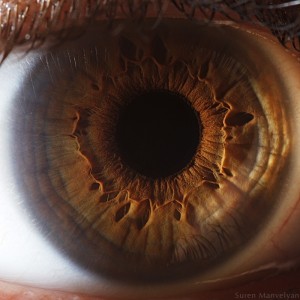 Slit lamp photography has gone from a niche capability reserved for academic medical centers to a practical, affordable standard for any eye care practice. Whether you see ten patients a day or a hundred, documenting what you observe through the slit lamp — corneal scars, anterior chamber findings, lens changes, filtering blebs — protects your patients, supports your documentation, and makes clinical communication dramatically clearer.