Description
What’s Included
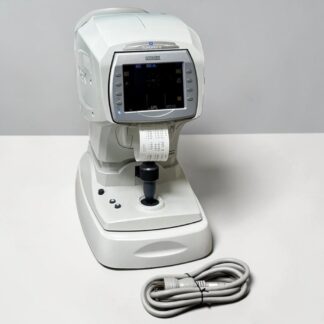
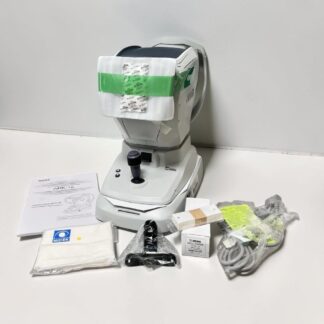
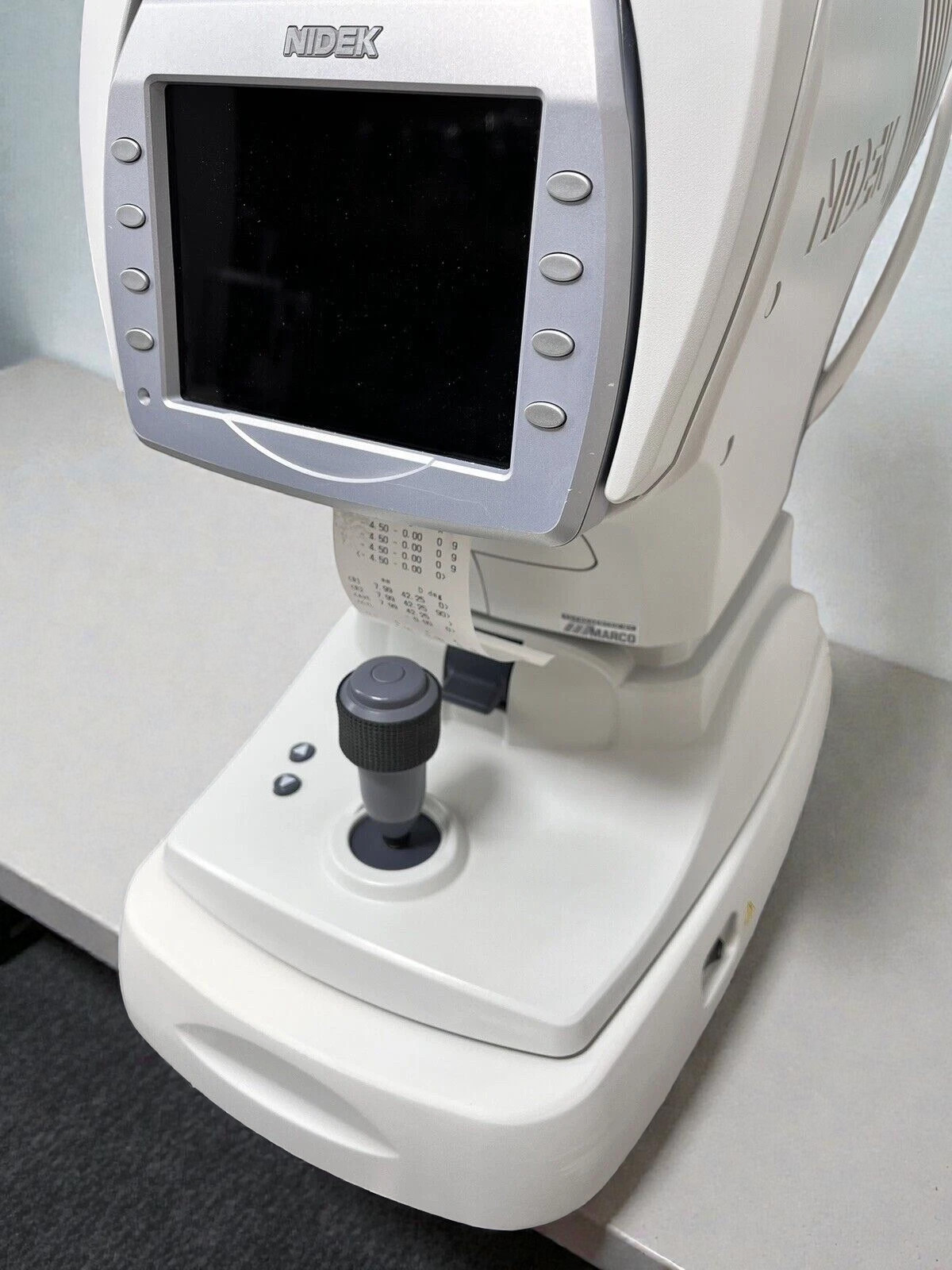
- Nidek ARK-500A autorefractor keratometer unit
- Power cable
- 90-day Digital Eye Center warranty
Condition & Warranty
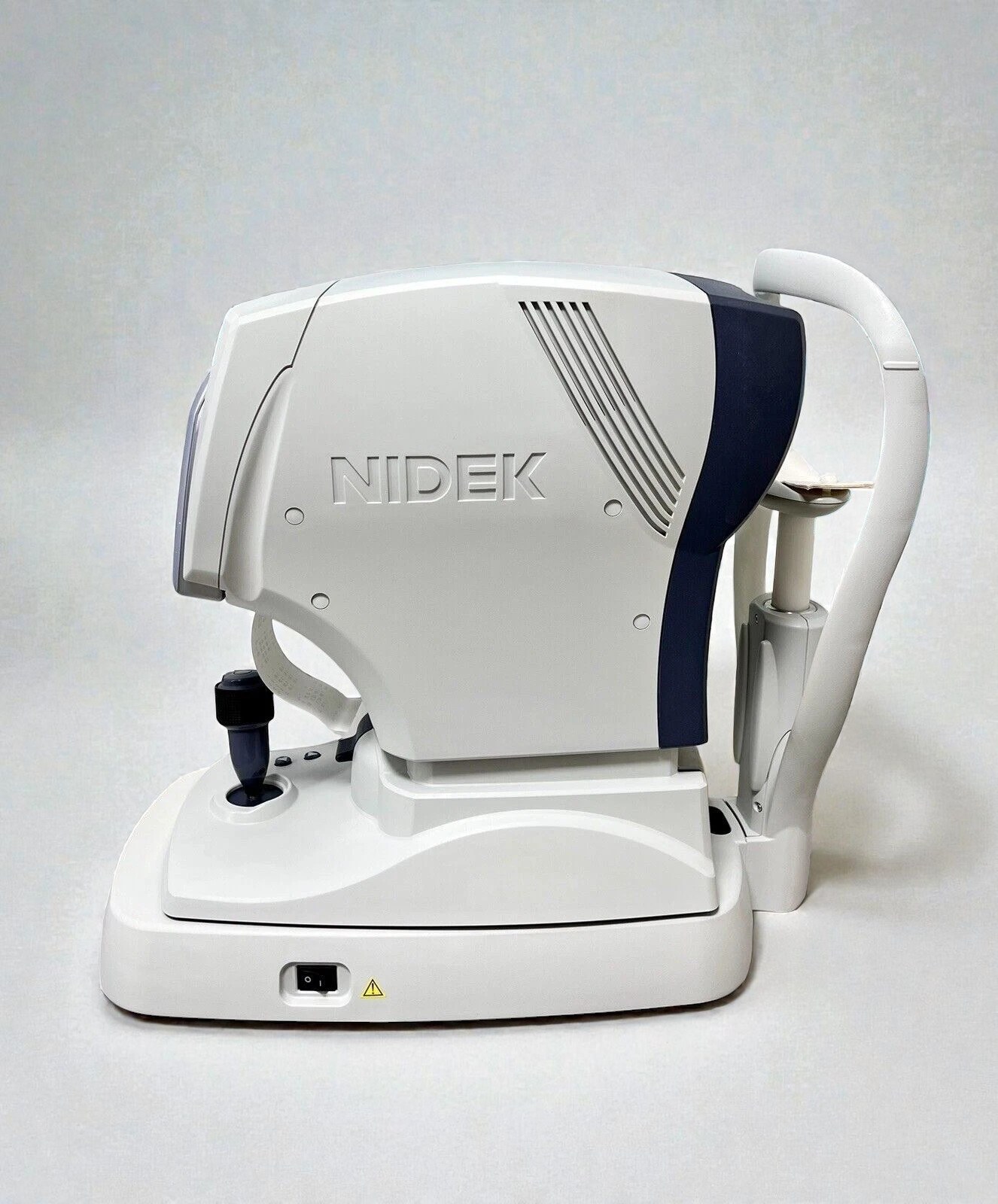
Used. This Nidek ARK-500A autorefractor keratometer has been tested and is in excellent working order. The unit shows some signs of usage as expected for used equipment. Comes with power cable only. Carefully tested before shipping. Covered by a 90-day warranty on parts and workmanship.
Nidek ARK-500A Autorefractor Keratometer — Used | Widest Measurement Range in Class
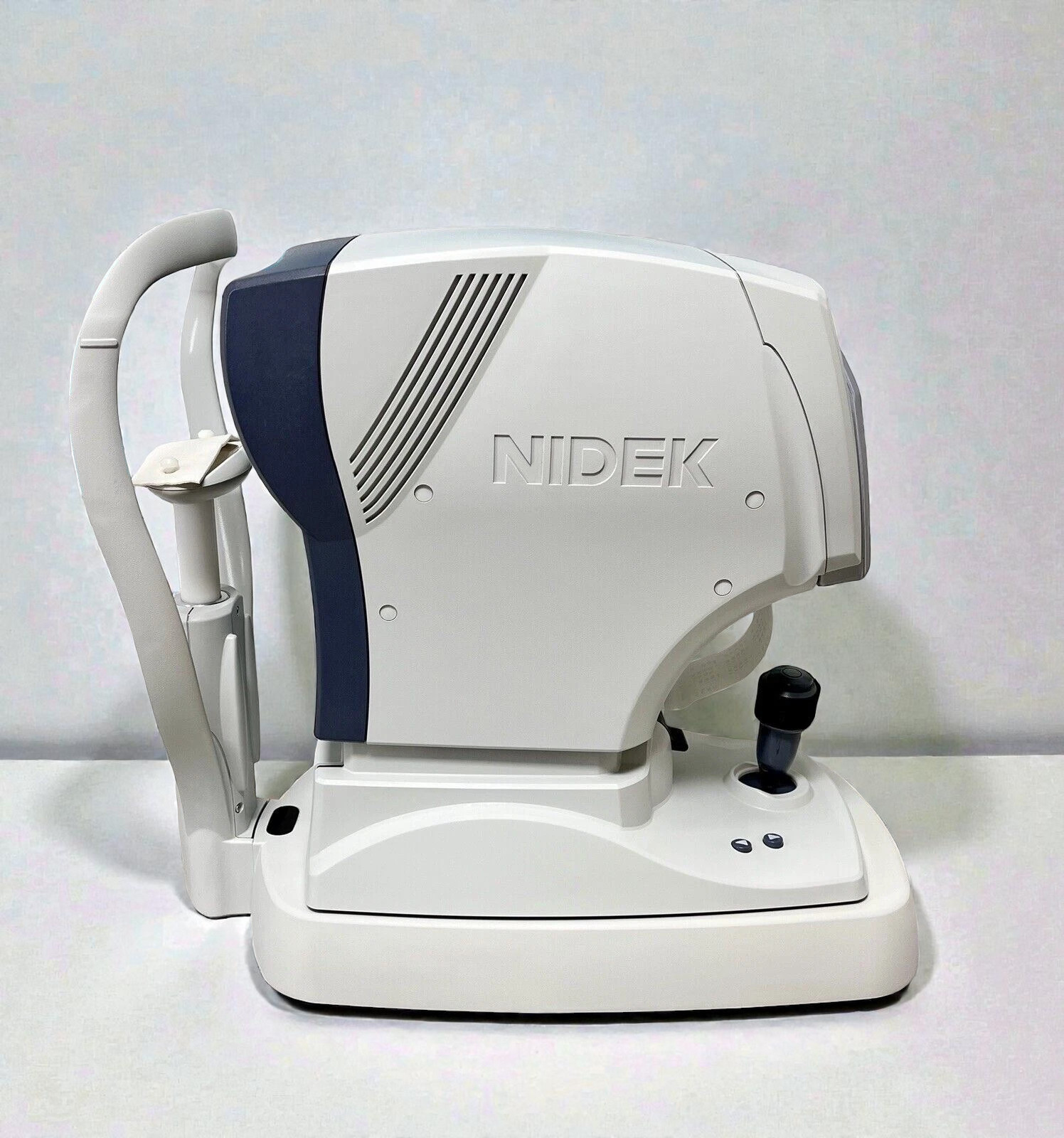
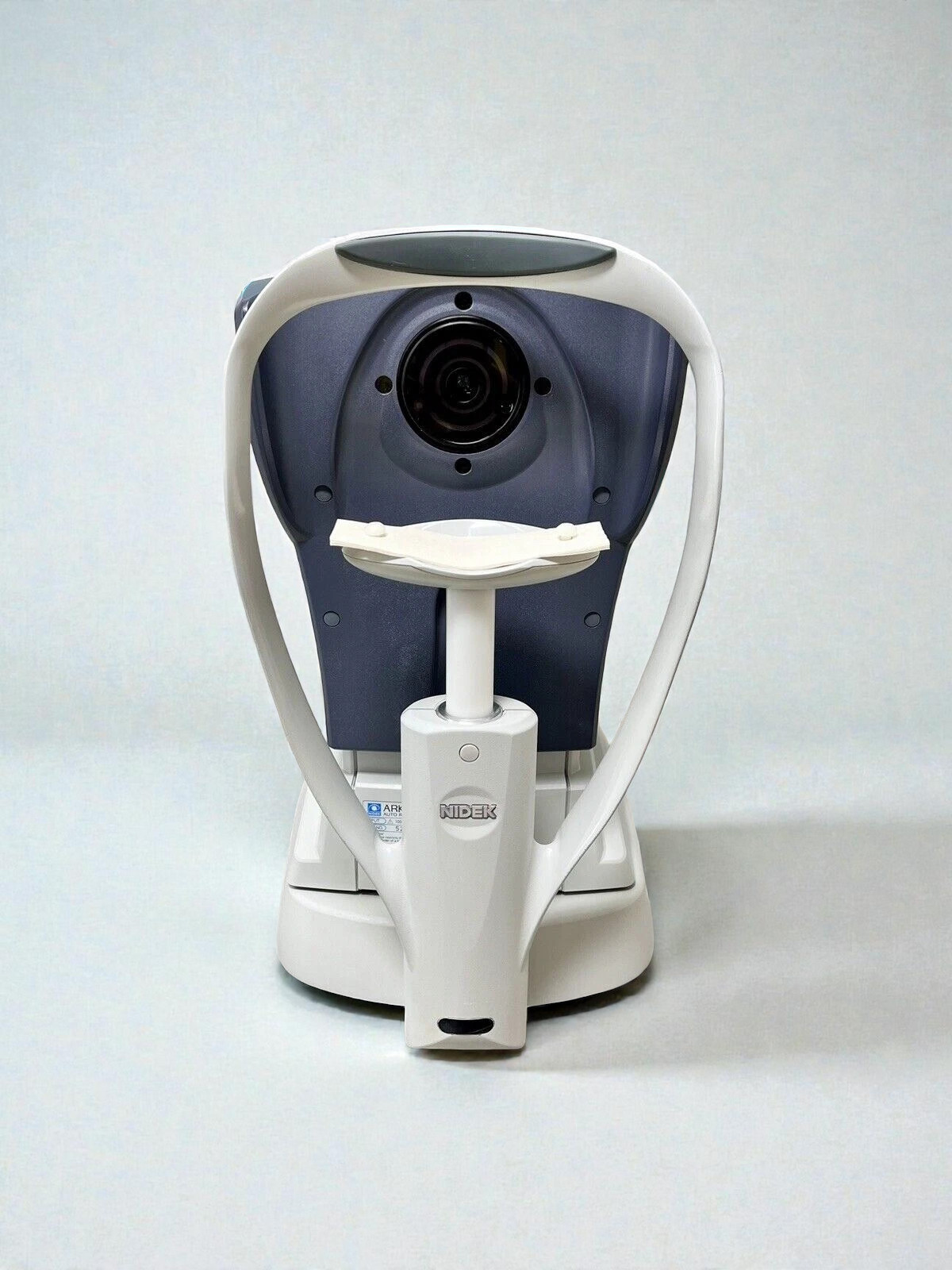
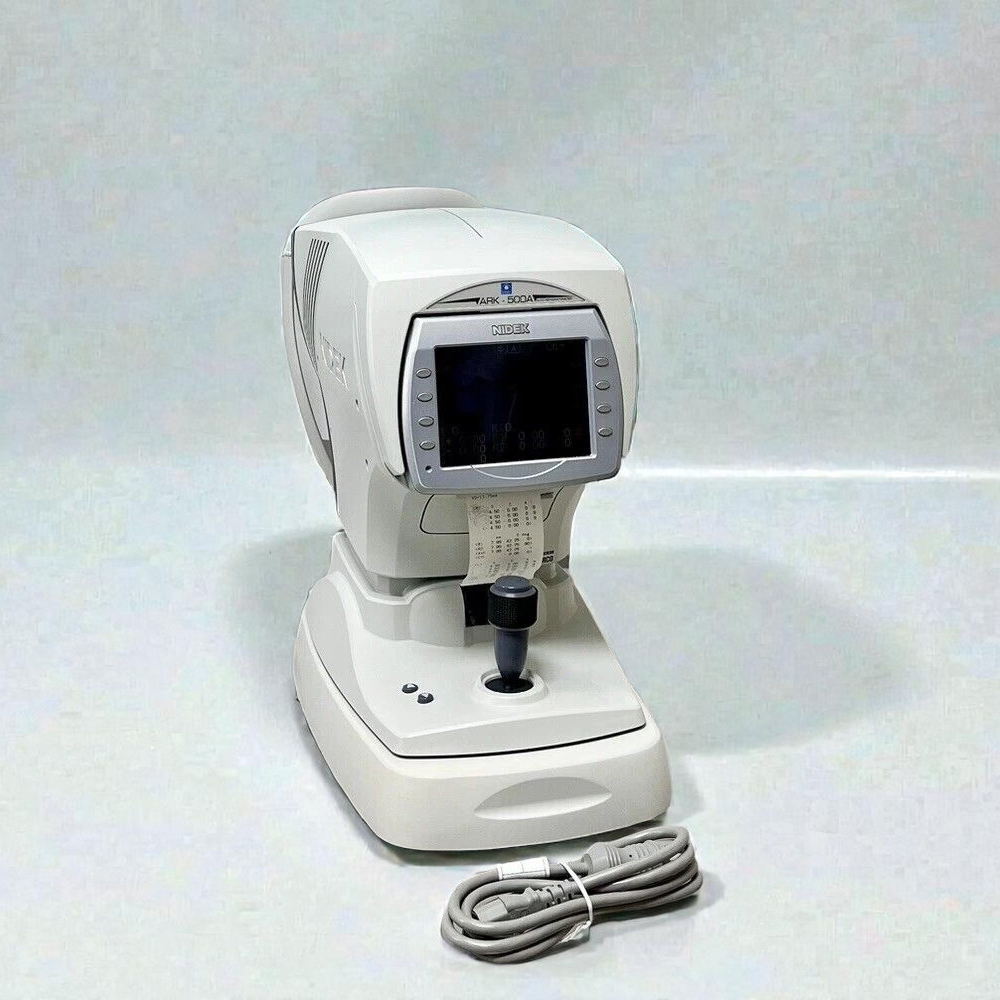 The Nidek ARK-500A autorefractor keratometer is a full-featured, compact tabletop instrument combining objective refraction and keratometry in a single unit. Its advanced Pupil Zone Imaging Method analyzes a wider retinal area (up to ø4 mm) than conventional autorefractors, delivering readings that more closely match manifest refraction — even in challenging eyes with dense cataracts or IOL implants. The Nidek ARK-500A autorefractor keratometer offers the widest sphere measurement range in its class: −30.00 D to +25.00 D, covering extreme prescriptions that standard autorefractors miss. For practices managing post-refractive surgery patients, high myopes, and pre- or post-op cataract cases, the Nidek ARK-500A autorefractor keratometer provides the objective refraction range and SLD measurement accuracy that demanding clinical environments require — at used pricing with a 90-day warranty.
Research published in the National Library of Medicine confirms that autorefractors provide accurate objective refraction measurements with strong agreement to subjective refraction across adult patient populations, validating their role as the standard pre-examination screening tool in optometry and ophthalmology practices.
Why Practices Choose the Nidek ARK-500A Autorefractor Keratometer
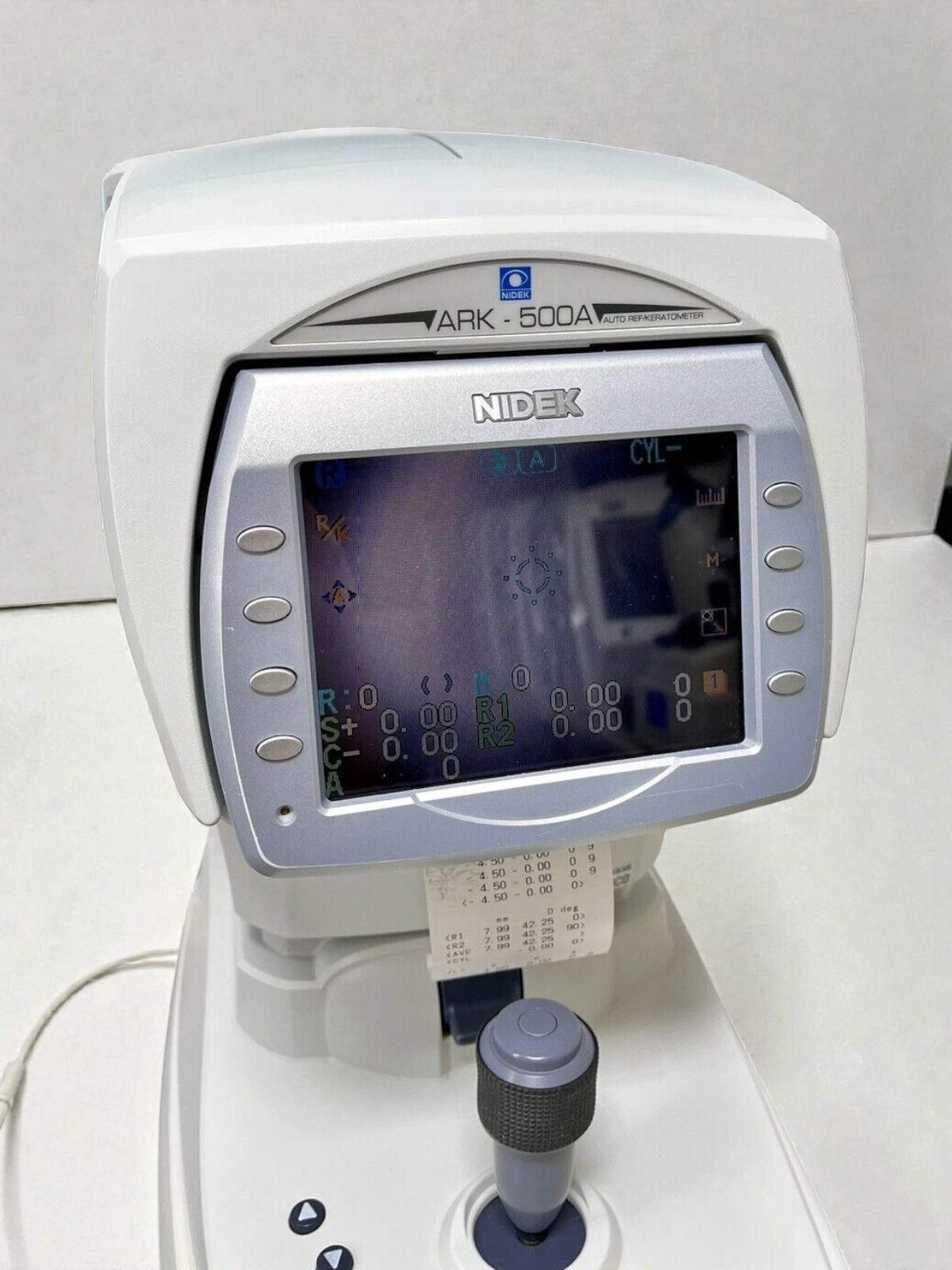 The ARK-500A stands apart from standard autorefractors with its combination of extended sphere range, Pupil Zone Imaging, and SLD technology — three capabilities that directly address the most common failure points of conventional ARK instruments: measurement errors in cataract eyes, incomplete range for extreme prescriptions, and poor readings in small pupils.
- Widest measurement range in its class: −30.00 D to +25.00 D sphere — handles extreme prescriptions that conventional autorefractors miss, including high myopes, hyperopes, and post-refractive surgery patients outside standard instrument ranges
- Pupil Zone Imaging Method — analyzes a wider retinal area (up to ø4 mm) than single-point measurement systems, producing readings that correlate more closely with manifest refraction in challenging eyes including dense cataracts and IOL implants
- SLD (Super Luminescent Diode) technology — delivers sharper, cleaner retinal imaging than LED-based autorefractors; significantly improves objective refraction quality in media-opacity cases including cataract and posterior capsule opacification
- 2.0 mm minimum pupil diameter — reliable objective refraction on miotic patients, post-surgical eyes, pediatric patients, and any eye where dilation is minimal or contraindicated
- 3D Auto Tracking and Auto Shooting — automatic X/Y/Z alignment with hands-free triggered capture; measurement fires the instant alignment is optimal, reducing technician workload and patient fatigue in high-volume lanes
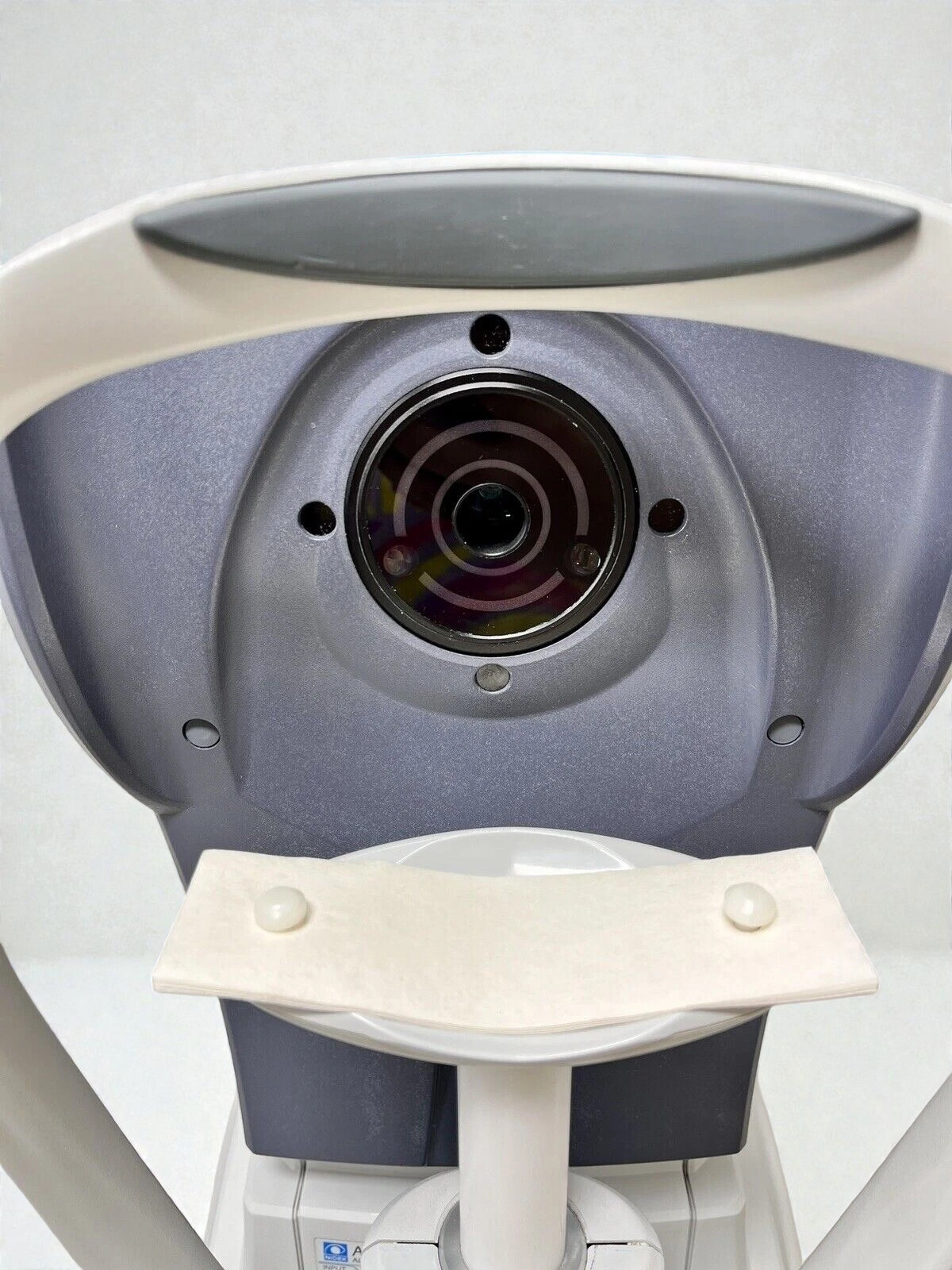
- Dual keratometry rings — standard ø3.3 mm mire ring for central corneal curvature plus 4-point peripheral ø6 mm measurement for comprehensive anterior corneal surface data used in contact lens fitting and pre-op planning
- 5.7-inch tiltable color LCD — large, clearly readable display that tilts to accommodate standing operators; real-time alignment view during measurement
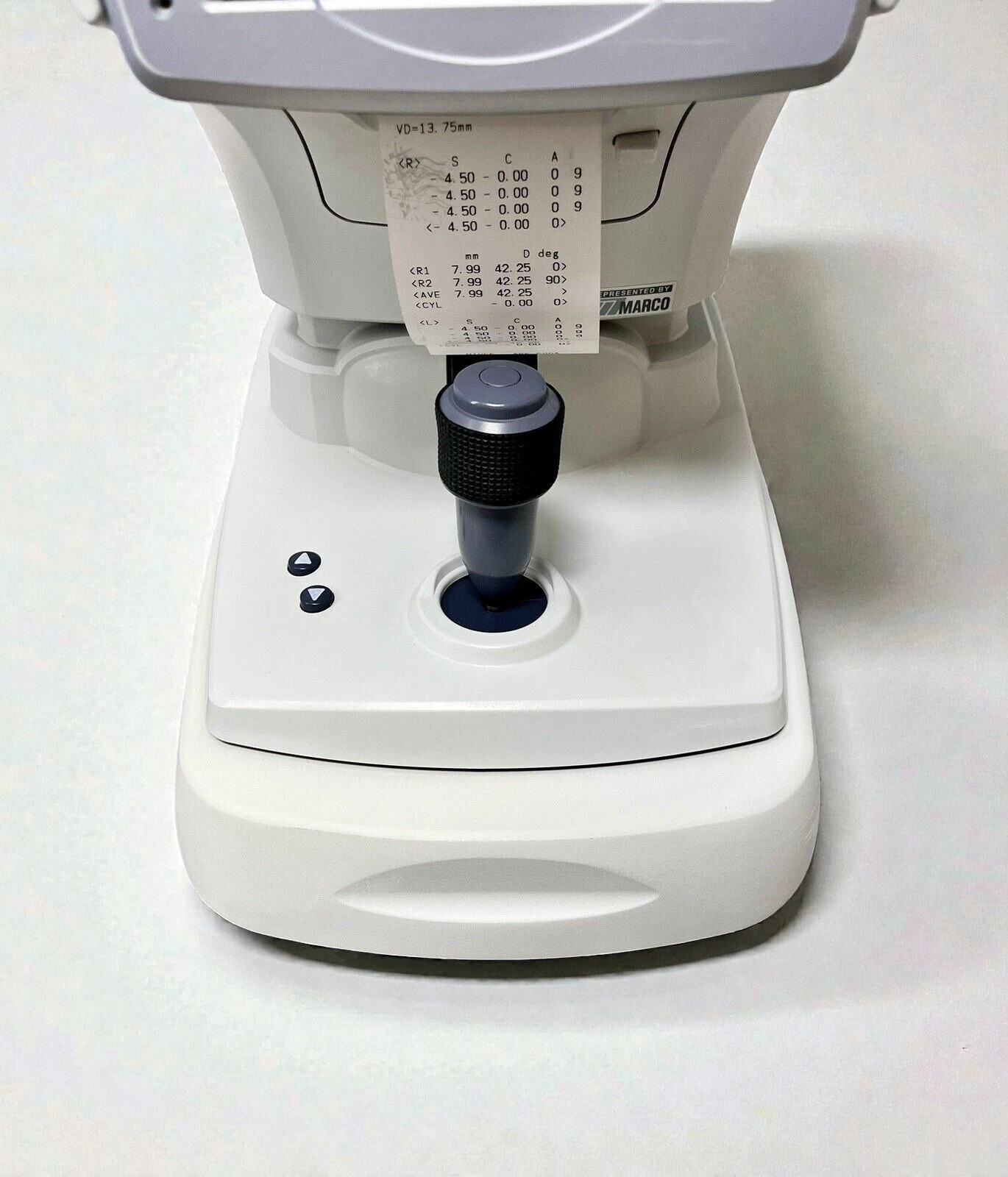
- Built-in high-speed thermal printer with auto cutter — instant printout of sphere, cylinder, axis, PD, and keratometry values; auto-cutter keeps exam lane workflow moving without manual paper tear
Clinical Applications
- Pre-exam objective refraction screening — rapid AR measurement as the starting point for manifest refraction; reduces subjective refraction chair time and improves patient flow in high-volume optometry and ophthalmology practices
- Cataract pre- and post-operative evaluation — the wide −30 to +25D range and Pupil Zone Imaging ensure reliable objective refraction measurements in eyes with dense nuclear cataracts pre-op and IOL implants post-op
- High-myopia and high-hyperopia populations — practices serving patients with extreme refractive errors benefit from the ARK-500A’s extended sphere range where standard −25 to +22D instruments fail
- Contact lens fitting keratometry — dual-ring keratometry (ø3.3 mm central + ø6 mm peripheral 4-point) provides the corneal curvature data required for soft lens fitting, RGP design, and orthokeratology baseline measurement
- Pediatric and miotic eye refraction — 2.0 mm minimum pupil requirement enables objective refraction in young children and patients where pupil dilation is not possible or practical
Who This Is For
- Ophthalmology practices — the ARK-500A’s wide measurement range and Pupil Zone Imaging address the full clinical spectrum of post-op, cataract, and extreme-refraction patients that ophthalmology practices manage daily
- High-volume optometry clinics — 3D auto tracking and auto shooting reduce per-patient technician time; the built-in printer eliminates manual data entry in multi-lane practices running at full throughput
- Contact lens specialty practices — dual-ring keratometry provides the central and peripheral corneal curvature data needed for specialty lens fitting without a separate keratometer
- Practices with post-refractive surgery patients — LASIK, PRK, and SMILE post-op patients often fall outside standard autorefractor ranges; the ARK-500A’s extended sphere range captures their post-op objective refraction accurately
Technical Specifications
| Specification | Detail |
| Manufacturer | Nidek Co., Ltd. (Japan) |
| Model | ARK-500A |
| Measurement Function | Autorefraction + Keratometry |
| Sphere Range | −30.00 D to +25.00 D (VD = 12 mm) |
| Cylinder Range | 0 to ±12.00 D |
| Axis Range | 0° – 180° |
| Measurement Step | 0.01 / 0.12 / 0.25 D (selectable) |
| Minimum Pupil Diameter | 2.0 mm |
| Imaging Method | Pupil Zone Imaging (ø4 mm retinal area) |
| Light Source | SLD (Super Luminescent Diode) |
| Keratometry — Standard | ø3.3 mm mire ring |
| Keratometry — Peripheral | ø6 mm, 4-point measurement |
| Display | 5.7-inch tiltable color LCD |
| Alignment | 3D Auto Tracking (X/Y/Z) and Auto Shooting |
| Chinrest | Motorized (up/down buttons) |
| Printer | Built-in high-speed thermal, auto cutter |
| Connectivity | RS-232C; EyeCare Card slot (optional wireless) |
| Condition | Used |
| Warranty | 90-day Digital Eye Center warranty |
Compare Autorefractor Keratometer Options
| Model | Sphere Range | Min. Pupil | Condition / Price |
| Nidek ARK-500A | −30 to +25D | 2.0 mm | Used — $4,800 |
| Tomey RC-5000 | −25 to +22D | 2.5 mm | Used — $4,180 |
| Topcon KR-8800 | −25 to +22D | 2.0 mm | Used — $3,080 |
For Rotary Prism Technology and topography-ready refraction, see the Topcon KR-8900 autorefractor keratometer. For a budget Topcon option, the Topcon KR-8800 is available at $3,080.
Questions about the Nidek ARK-500A autorefractor keratometer? Contact us for availability and shipping details.