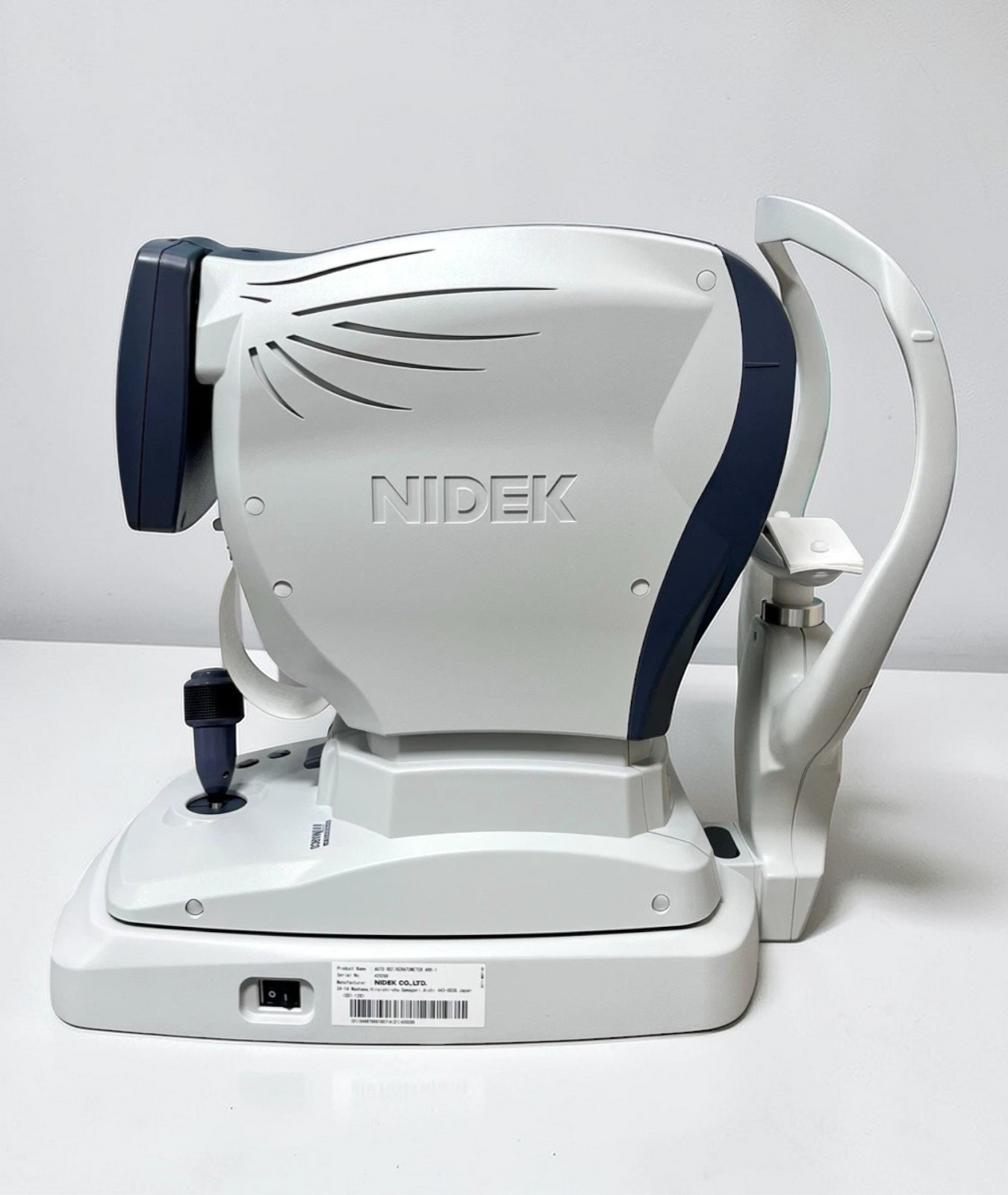
Description
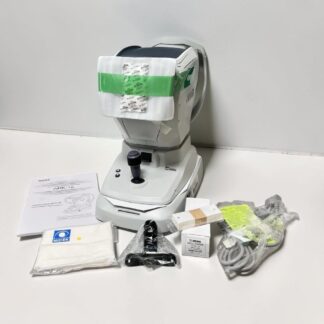
What’s Included
- Nidek ARK-1 unit
- Chinrest and headrest assembly
- Power cable
- Dust cover
- 90-day Digital Eye Center warranty
Condition & Warranty
Used. This Nidek ARK-1 has been inspected and verified for full autorefraction and keratometry function — including sphere, cylinder, axis measurement, and keratometry output — prior to sale. Covered by a 90-day warranty on parts and workmanship.
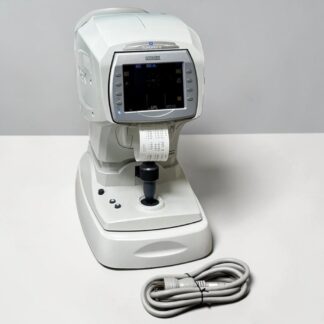
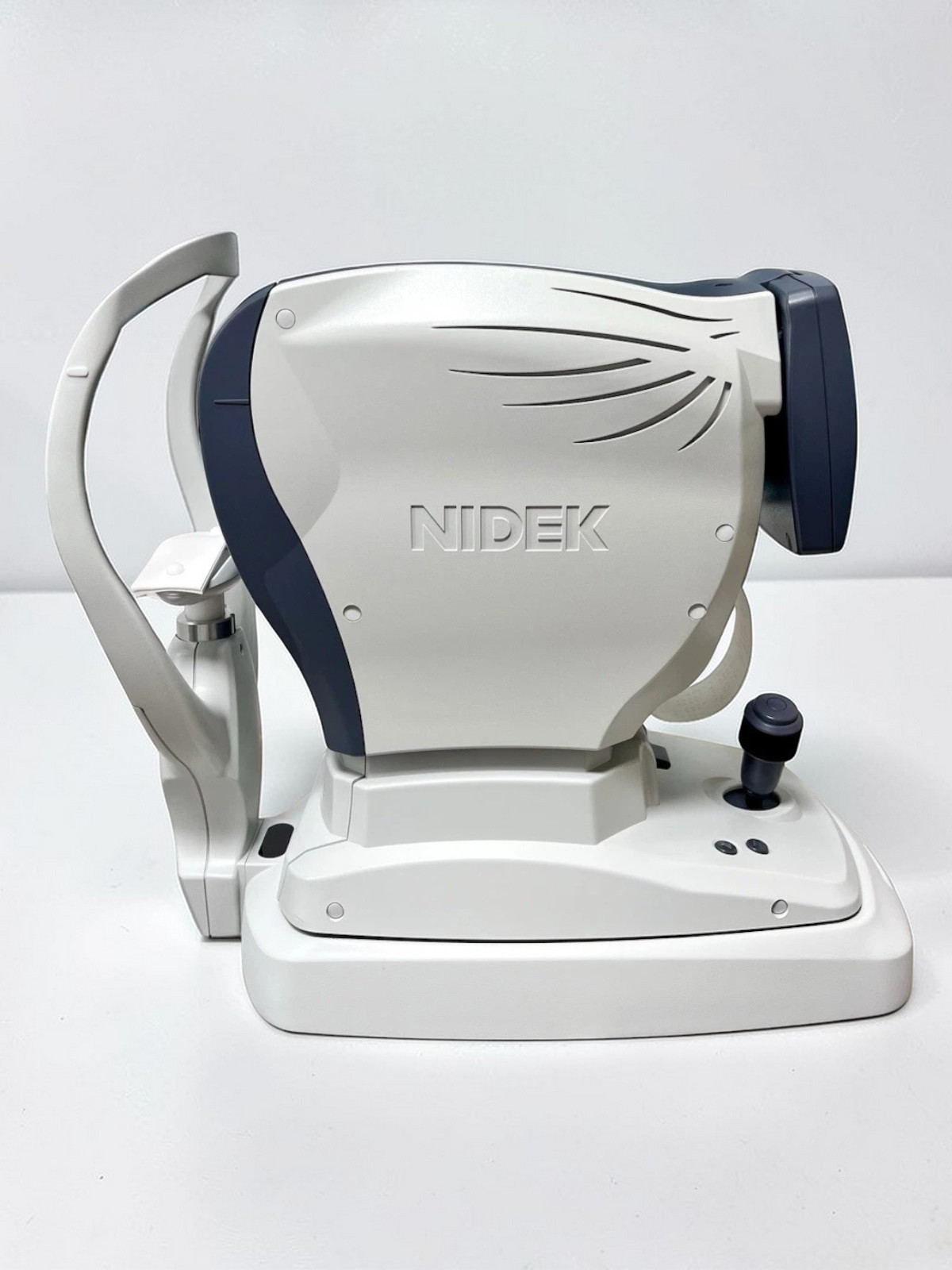
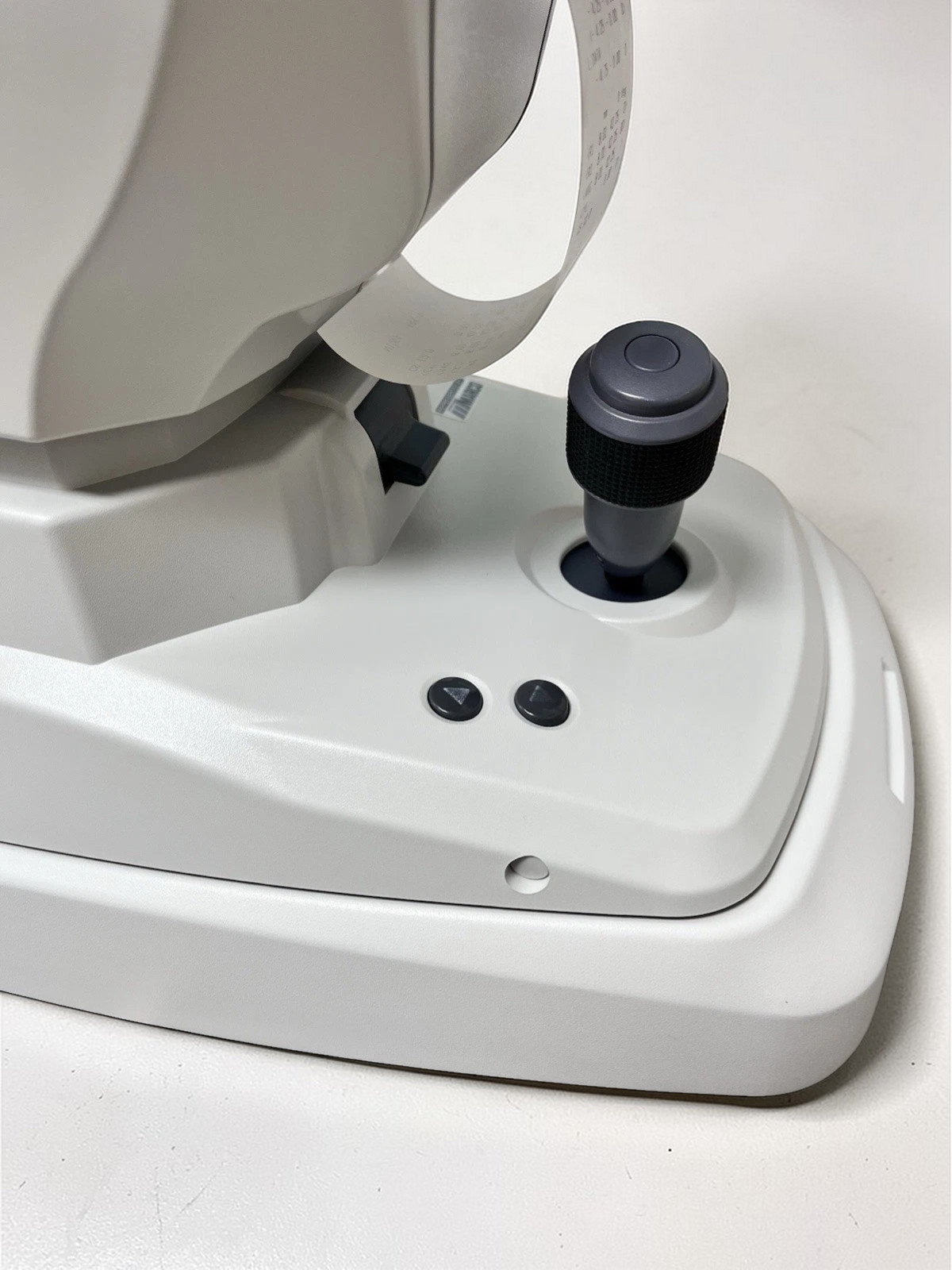
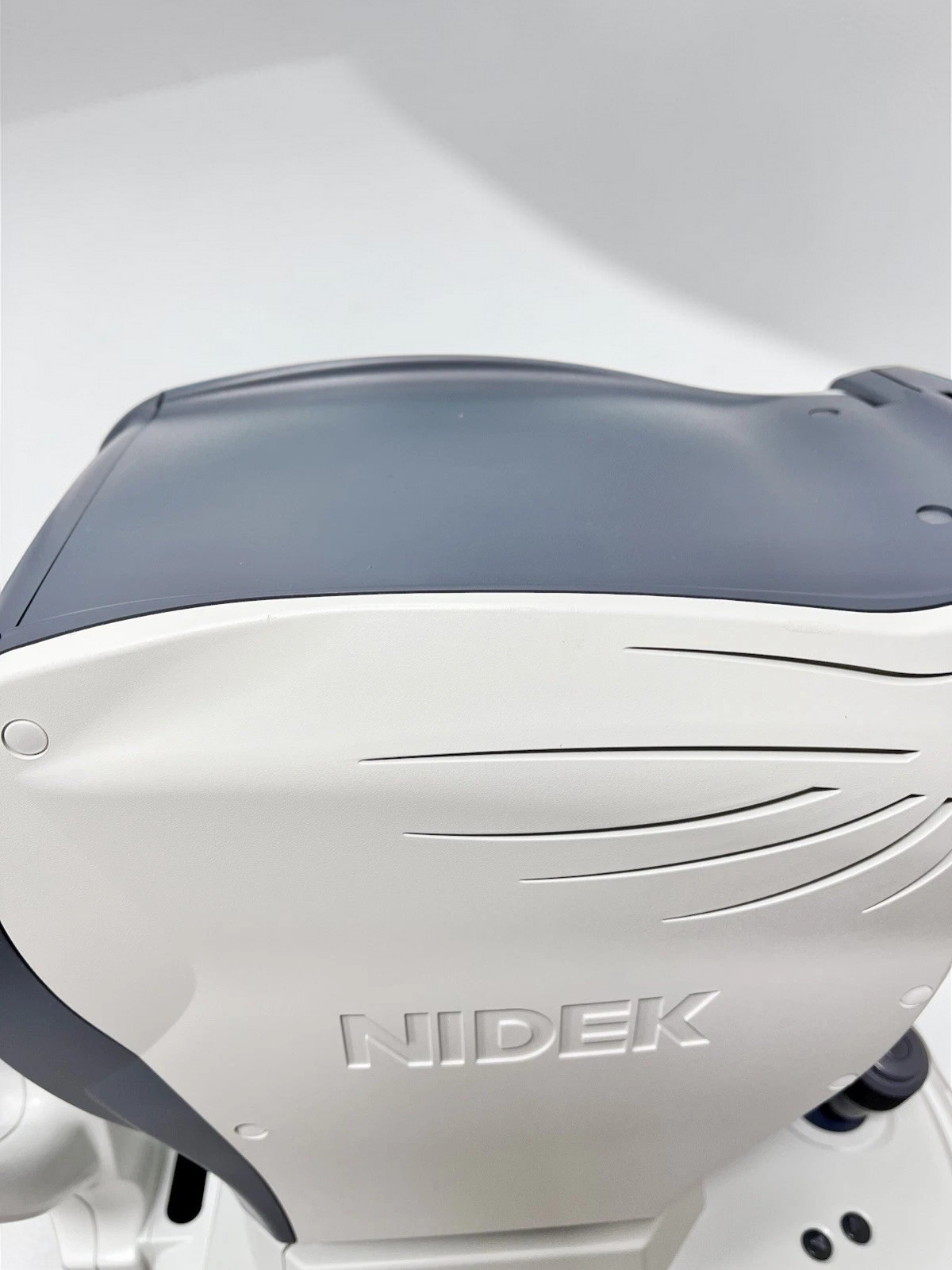
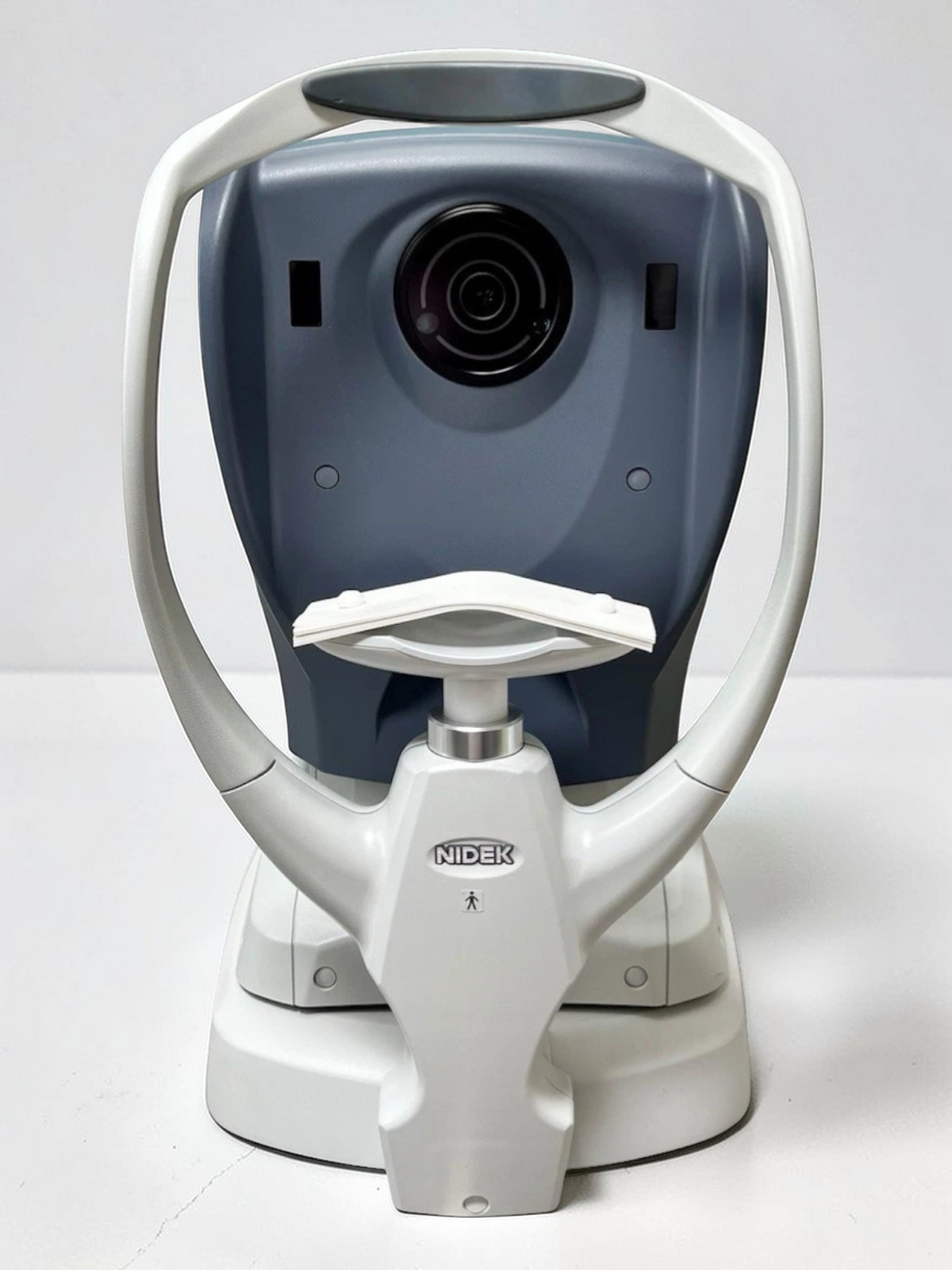
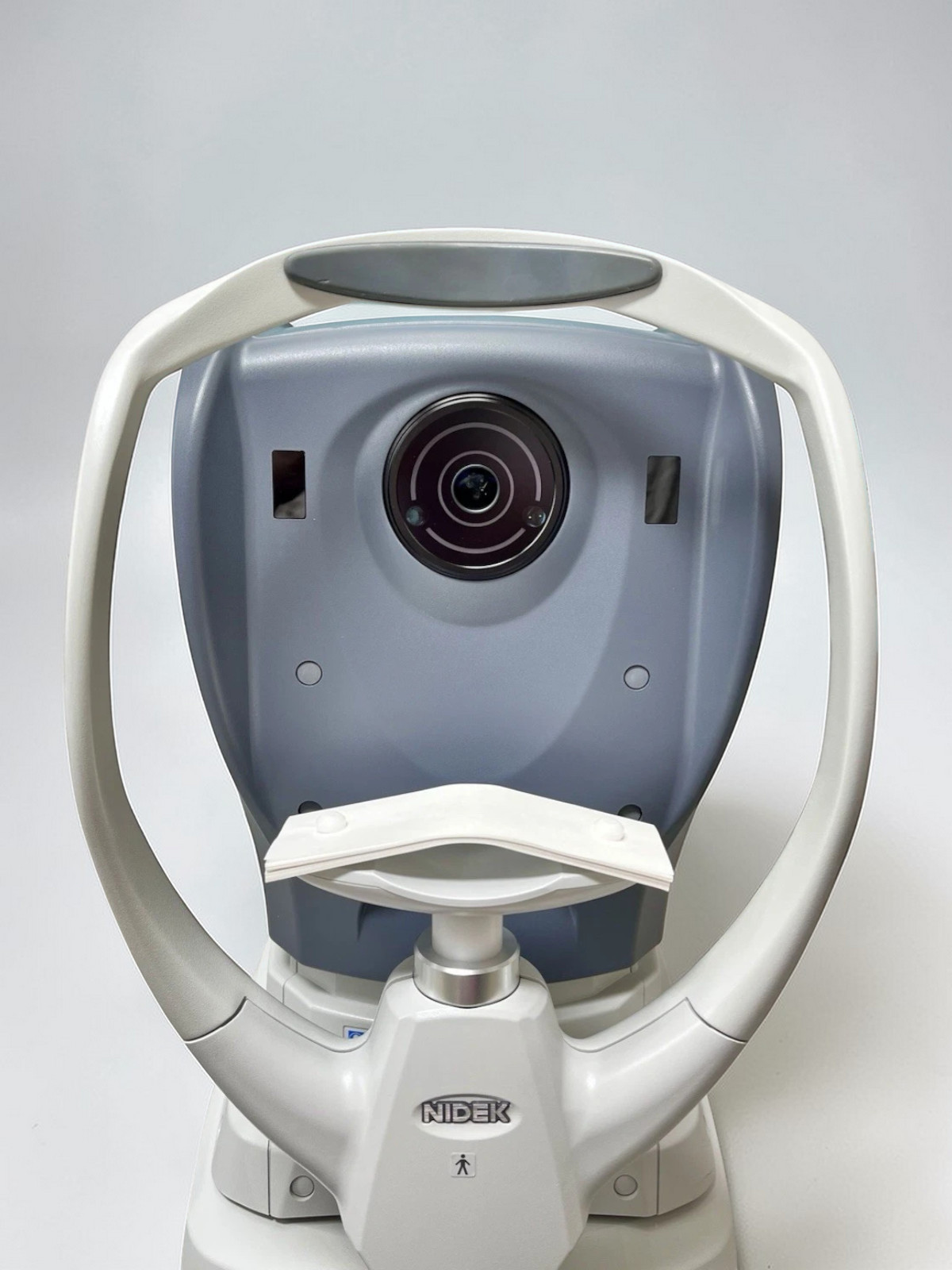
Autorefractor Keratometer Nidek ARK-1 — Used Tabletop Auto Ref/Keratometer
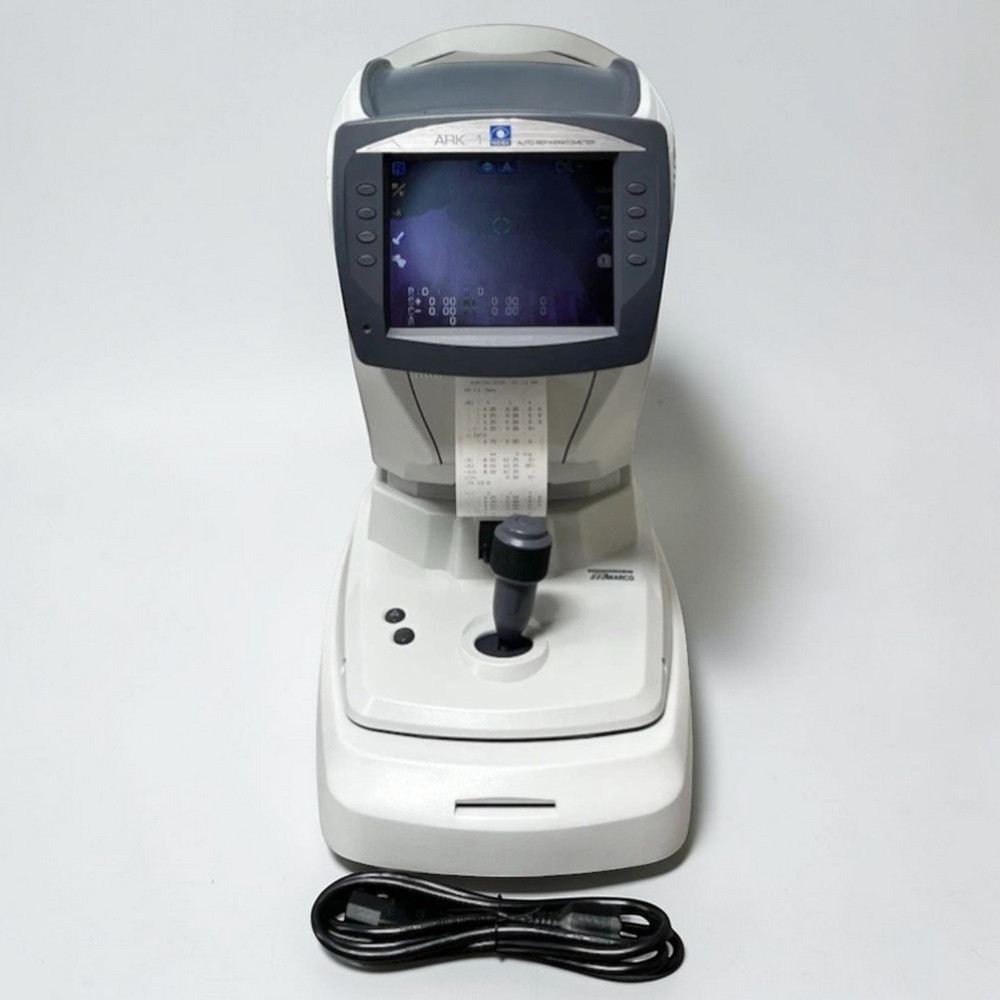 The Nidek ARK-1 is a full-featured tabletop autorefractor keratometer combining objective refraction and corneal curvature measurement in a single, compact instrument. With a sphere range of -30D to +25D, cylinder up to ±12D, and a 6mm pupil measurement zone, the ARK-1 delivers accurate refraction data even through dense cataracts — one of its most clinically valued capabilities. Keratometry covers the 5.00 to 13.00mm corneal radius range (25.96–67.50D) using a dual meridian measurement, supporting IOL power calculations, contact lens fitting, and corneal baseline documentation. At under 2 seconds per eye with a Super Luminescent Diode (SLD) light source and 2mm minimum pupil requirement, the ARK-1 handles the full range of clinical cases with speed and consistency. This used ARK-1 is sold inspected and backed by Digital Eye Center’s 90-day warranty.
According to the National Library of Medicine, the Nidek ARK-1 demonstrates clinical accuracy and repeatability in objective refractive measurement — confirming the ARK-1 as a reliable instrument for both routine refraction and surgical planning workflows.
Why Practices Choose the Nidek ARK-1 Autorefractor Keratometer
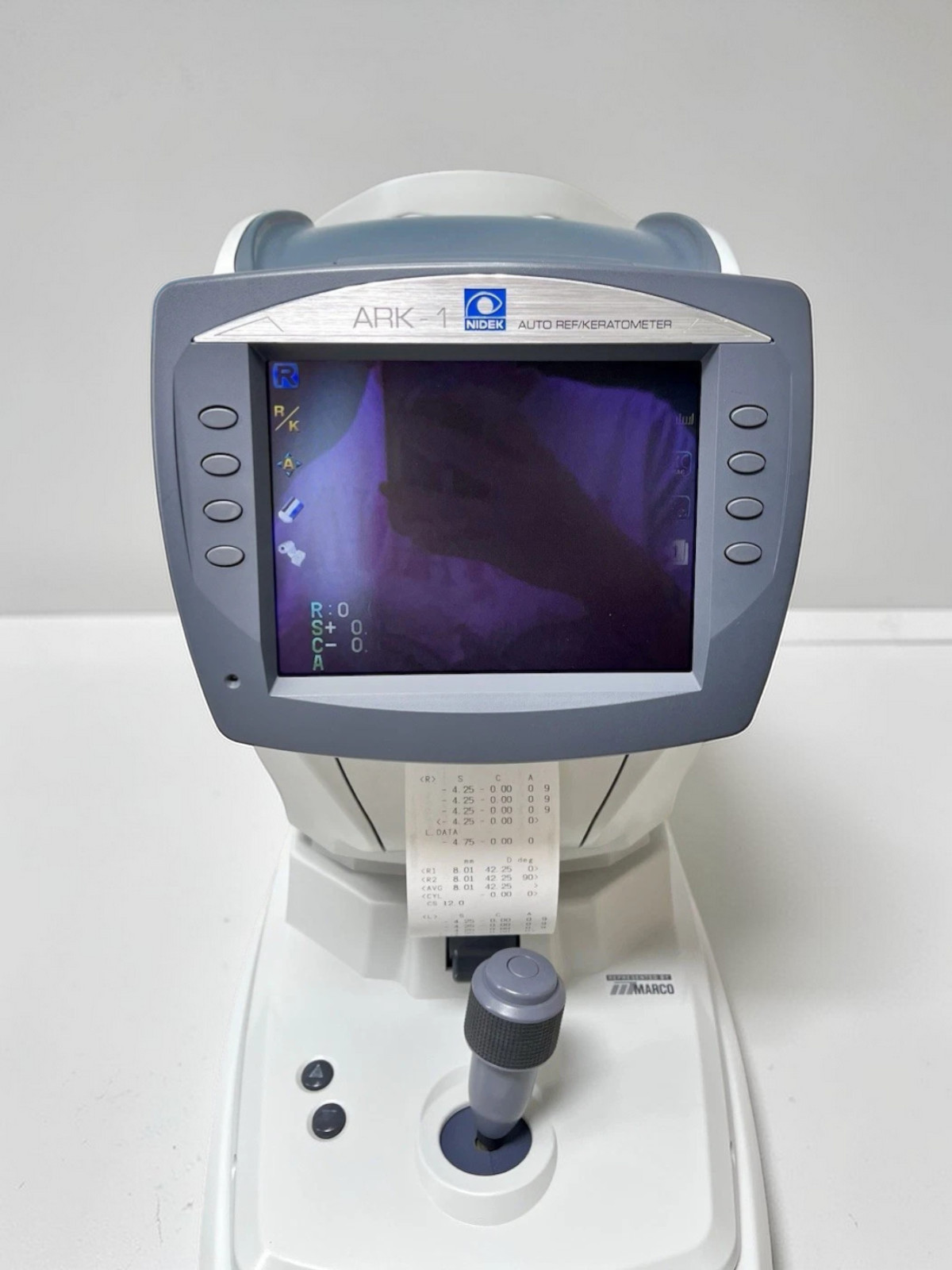 The ARK-1 is built for practices that need reliable, fast objective refraction and keratometry — particularly in cataract and refractive surgery environments where accurate K-readings and pre-op baseline refraction are essential every day.
- Cataract-penetrating refraction — the ARK-1’s SLD light source and 6mm measurement zone deliver repeatable refraction data through dense nuclear and cortical cataracts where conventional autorefractors produce unreliable readings.
- Sphere range -30D to +25D / cylinder ±12D — covers the full spectrum of refractive errors encountered in general ophthalmic and optometric practice, including high myopes, hyperopes, and complex astigmatism.
- Sub-2-second measurement cycle — objective refraction and keratometry readings are captured in under 2 seconds per eye, supporting high-volume exam lanes without compromising accuracy.
- Keratometry 5.00–13.00mm radius — dual-meridian corneal measurement covering the full range from steep post-surgical corneas to flat peripheral curvatures, outputting K1 and K2 with axis directly from the display.
- 2mm minimum pupil requirement — the SLD design allows accurate measurement in miotic pupils, post-pharmacologic constriction, and patients with small natural pupils where infrared-based systems struggle.
- 6mm measurement zone — captures refraction across a clinically relevant 6mm optical zone rather than pupil center only, improving agreement with subjective refraction in higher-order cases.
- Compact tabletop footprint — the ARK-1’s slim chassis mounts on a standard exam lane table without additional infrastructure, fitting into existing refraction lanes alongside a phoropter and slit lamp.
- Direct output for IOL calculations — K-reading output in diopters and millimeters formats directly into standard IOL power calculation formulas (Haigis, Holladay, Hoffer Q), reducing data transcription in the surgical planning workflow.
Clinical Applications
- Cataract surgery pre-op baseline — objective refraction and keratometry at the same instrument session, providing the K-readings required for IOL power selection and a refraction baseline against which post-op results are compared.
- Refractive surgery screening — objective starting point for LASIK, PRK, and RLE candidates; the 6mm measurement zone provides central and paracentral refraction data relevant to ablation planning.
- High-volume general refraction — fast, repeatable objective refraction at the start of each refraction workup shortens subjective phoropter time and improves consistency across staff and exam lanes.
- Pediatric and non-verbal patients — SLD-based objective measurement without patient response captures reliable sphere, cylinder, and axis in children and patients who cannot cooperate with subjective techniques.
- Contact lens fitting baseline — keratometry outputs K-curvatures for base curve selection and flags unusual corneal toricity or ectasia that may affect rigid or specialty lens fitting decisions.
- Post-refractive surgery monitoring — K-reading follow-up after LASIK, PRK, or ortho-K objectively tracks corneal stability, regression, and enhancement candidacy at each visit.
Who This Is For
- Ophthalmology and cataract surgery practices that perform pre-operative workups daily and need dependable, consistent K-readings and objective refraction in one instrument at used pricing.
- Optometry practices running high volumes of new patient exams, contact lens fits, and refractive consultations where a fast, accurate tabletop autoref/keratometer reduces chair time.
- Multi-physician clinics and ASCs equipping additional exam rooms or workup lanes with a full-featured ARK-1 at a fraction of new equipment cost.
- Hospital eye services that need an instrument capable of measuring through cataracts and poor media for surgical planning and routine refraction in complex patients.
Technical Specifications
| Specification | Detail |
| Sphere range | -30D to +25D (vertex distance 12mm) |
| Cylinder range | 0 to ±12D |
| Axis range | 0° to 180° (1° increments) |
| Measurement zone | 6mm pupil diameter |
| Minimum pupil | 2.0mm |
| Keratometry radius range | 5.00–13.00mm |
| Keratometry power range | 25.96–67.50D (n=1.3375) |
| Keratometry output | K1 and K2 with axis |
| Light source | Super Luminescent Diode (SLD) |
| Measurement time | <2 seconds per eye |
| Cataract performance | Measures through dense grade 3–4 cataracts |
| Sphere increments | 0.01D, 0.12D, or 0.25D (selectable) |
| Condition | Used |
| Warranty | 90-day Digital Eye Center warranty |
Compare Autorefractor Keratometers
| Product | Type | Condition | Price |
| Nidek ARK-1 | Tabletop Auto Ref/Keratometer | Used | $4,950 |
| Nidek ARK-500A | Tabletop Auto Ref/Keratometer | Used | $4,800 |
| Retinomax K-Plus 5 | Handheld Auto Ref/Keratometer | Used | $8,800 |
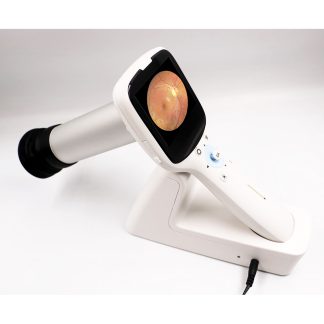
Need a handheld option for pediatric or mobile use? See the Retinomax K-Plus 5 handheld autorefractor keratometer.
Questions about the Nidek ARK-1? Contact us for availability and shipping details.