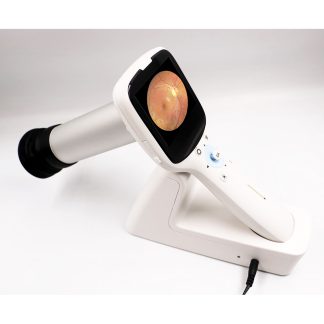
You want a fast IOP reading that a tech can take without anesthesia, and you’re deciding whether a non-contact tonometer belongs in your pre-test lane. The question isn’t whether the air-puff is “as good as Goldmann” — it’s where it fits in your workflow and which used unit is worth your money. Here’s how to sort it out.
First, where the non-contact tonometer actually fits
 A non-contact tonometer (NCT) is a screening and pre-test instrument, not a replacement for applanation. Readings correlate reasonably with Goldmann in the normal range but diverge as pressures climb past the low 20s, and different platforms bias differently — Canon and Topcon units tend to read a little high, Nidek a little low. Goldmann remains the reference standard for a confirmed glaucoma workup. What the NCT buys you is throughput: a tech captures IOP in seconds, no drops, no corneal contact, no tip disinfection between patients.
If you run a high-volume clinic or a screening program, that speed is the whole point. If your practice is glaucoma-heavy, treat the NCT as the first pass and keep applanation in the lane for anything that flags.
The specs that separate useful units from frustrating ones
Corneal-compensated IOP if you see glaucoma
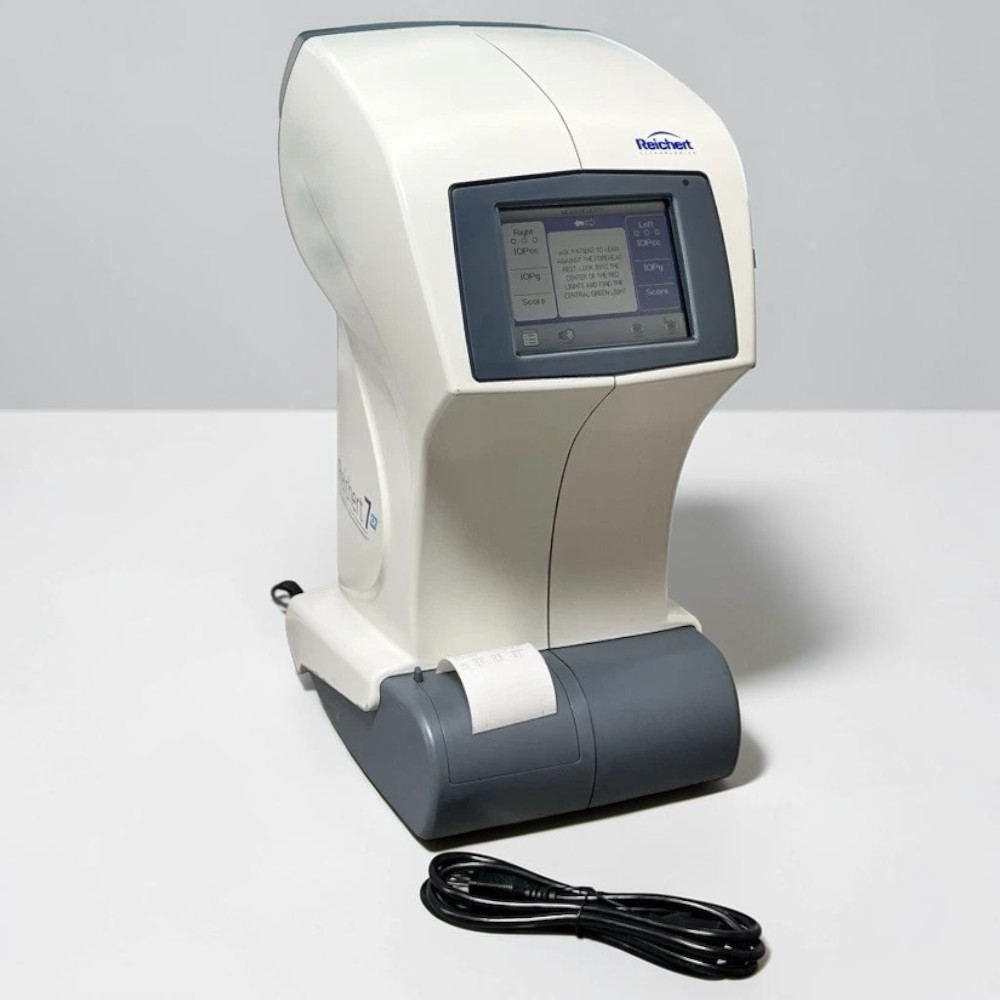
If you’re managing glaucoma, a unit that reports corneal-compensated pressure (IOPcc) alongside Goldmann-correlated IOP is worth the premium — it reduces the central-corneal-thickness error that trips up standard NCTs. The Reichert 7cr Auto Non-Contact Tonometer + Corneal Response Technology – Used is the common in-lane example of this class.
Standalone vs. integrated into your ref/kerato lane
Decide whether you want a dedicated tonometer or tonometry folded into the autorefractor station. A combined ref/kerato/tonometer like the Nidek Tonoref II Autorefractor Keratometer Tonometer – Used consolidates the pre-test bench into one device and one tech stop — good for tight spaces, less flexible if one module needs service.
Alignment, auto-puff and patient comfort
Auto-alignment and auto-shot dramatically cut tech training time and missed captures. A jumpy patient and a manual unit means repeat puffs and bad data. On a used unit, confirm the air pump fires cleanly and the alignment motors track without hunting.
Buying used: what to verify before you pay
 A used NCT is a sound buy when it’s been properly checked out. Before you commit, get clear answers on a short list:
Was it recalibrated and verified against a reference? Air-puff mechanisms drift; a unit should be recertified to the manufacturer’s spec, not just powered on. How many puffs/cycles is the pump rated for, and what’s its history? The pump is the wear item. Does it print or export, and does that integrate with your EMR? What warranty is included and what does it cover? A used diagnostic instrument with no warranty is a gamble — every unit we sell is verified by a certified technician and backed by a warranty.
Expect used non-contact tonometers to land roughly in the $500–$2,000 range depending on model, corneal-compensation features, and whether it’s bundled into a ref/kerato package.
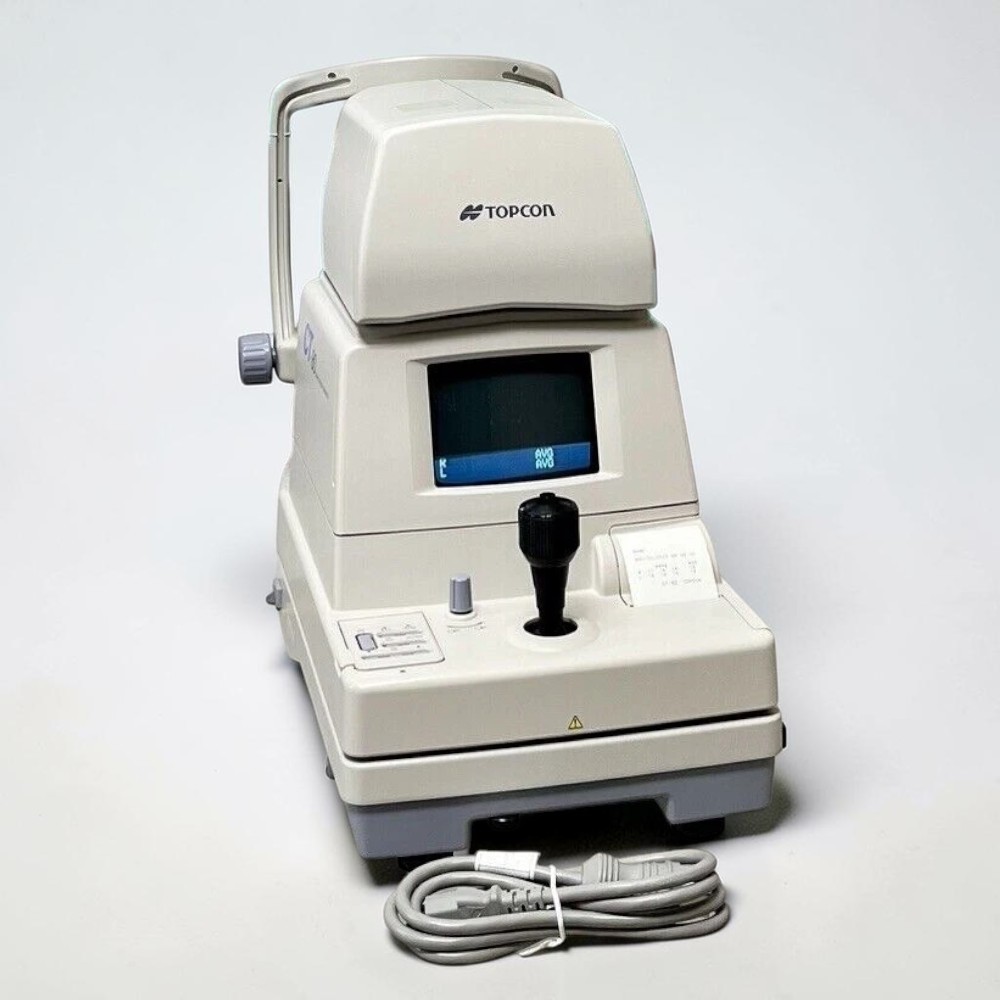
Currently in stock: the Reichert 7cr Auto Non-Contact Tonometer + Corneal Response Technology – Used and the Topcon Non Contact Tonometer CT-80 Used. You can also browse our full tonometer inventory for the latest units.
Know when a portable rebound tonometer is the better answer
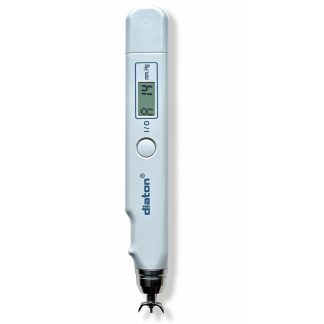
If your real constraint is mobility — home visits, multiple satellite lanes, pediatric or wheelchair patients — a tabletop NCT may be the wrong tool. A handheld rebound or portable applanation device travels and reaches patients an air-puff table can’t. Match the form factor to where the reading actually has to happen, not just to the spec sheet.
Every tonometer we sell is inspected and verified by a certified technician before it ships from Florida, and it comes with a warranty.
Tell us your patient volume and whether you need corneal-compensated readings — call us at 305-771-4562 or contact us here and we’ll point you to the right unit.