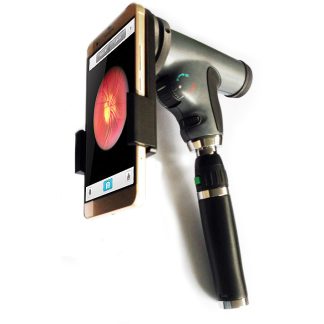
You’re evaluating a portable fundus camera and three vendors are quoting you three different things. The spec sheets don’t line up, the price range is wide, and you’re not sure whether buying refurbished is a risk or just smart. This guide is for that moment — practical, no filler, written for clinicians who already know what a fundus camera does.
New vs. Refurbished — Is It Actually a Risk?
 This is the question most buyers are sitting with, so let’s answer it first.
New portable fundus cameras typically start well above budget for current flagship models. A properly refurbished unit can bring that entry point down significantly — and for most clinical workflows, delivers the same result. The risk isn’t in buying refurbished. The risk is in buying refurbished from a seller who doesn’t tell you what “refurbished” actually means.
Before you buy, ask these questions:
- What specifically was inspected and what was replaced?
- Was optical alignment tested after reassembly?
- What firmware version is it running, and is it compatible with your EMR?
- What warranty is included — and what does it cover?
- Can you get image samples from that specific unit before shipping?
Six months is a reasonable minimum warranty for a thorough reconditioning. Ninety days is the floor. If a seller can’t answer the inspection questions specifically, that’s your answer.
Specs That Actually Matter
 Once you’ve cleared the trust question, these are the four specs that separate useful units from frustrating ones in daily practice:
Minimum pupil size
If your patient population skews older, or includes anyone on pilocarpine, alpha-blockers, or other miotics, minimum pupil size matters more than field of view. A camera that needs 4mm to capture a usable image is a different clinical tool than one that works through 2.5mm. Check this number carefully — some manufacturers list ideal conditions, not real-world performance.
Mydriatic vs. non-mydriatic
If you’re doing high-volume screening and dilation would kill throughput, non-mydriatic isn’t optional — it’s a workflow requirement. If your workflow involves dilated exams anyway, a mydriatic-capable unit often delivers better image quality in those conditions. Some portable units support both modes, which is worth prioritizing if your use cases are mixed.
Connectivity and image export
Confirm DICOM, JPEG, or PDF export and EMR integration before you buy — not after. Wireless transfer via Wi-Fi or Bluetooth is standard on newer units. For mobile screening programs using a portable fundus camera, field upload without a docking station is worth paying for.
Battery life
Quoted battery life is almost always based on continuous imaging under ideal conditions. Ask for a realistic session count for intermittent use — which is how you’ll actually use it at a school screening or nursing home visit.
Portable vs. Table-Mounted — Which Fits Your Practice
Once you know the specs, the bigger question is whether portable is even the right format for your workflow.
A table-mounted non-mydriatic camera is the right call for a high-volume clinic where patients cycle through a dedicated imaging room. Consistent throughput, consistent image quality, nothing to move.
Portable makes more sense in three scenarios: mobile and community screening programs where the camera travels to patients, multi-location practices that want imaging capability at every site without duplicating a full setup, and inpatient or emergency settings where moving the patient isn’t practical.
A retina specialist running monthly diabetic screening at a rural clinic two hours away (diabetic retinopathy is one of the leading causes of preventable blindness) needs a different portable fundus camera than a solo OD who wants occasional documentation flexibility at one location. Both decisions are right — just for different units.
Every refurbished portable fundus camera we sell has been inspected and tested by a certified technician before shipping, and comes with a 6-month warranty. Each listing specifies condition, minimum pupil size, and connectivity so you know what you’re getting before you order.
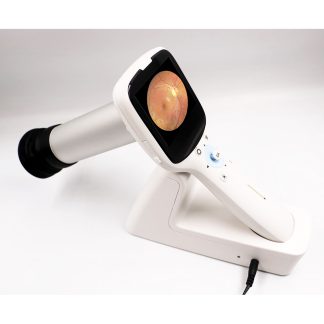
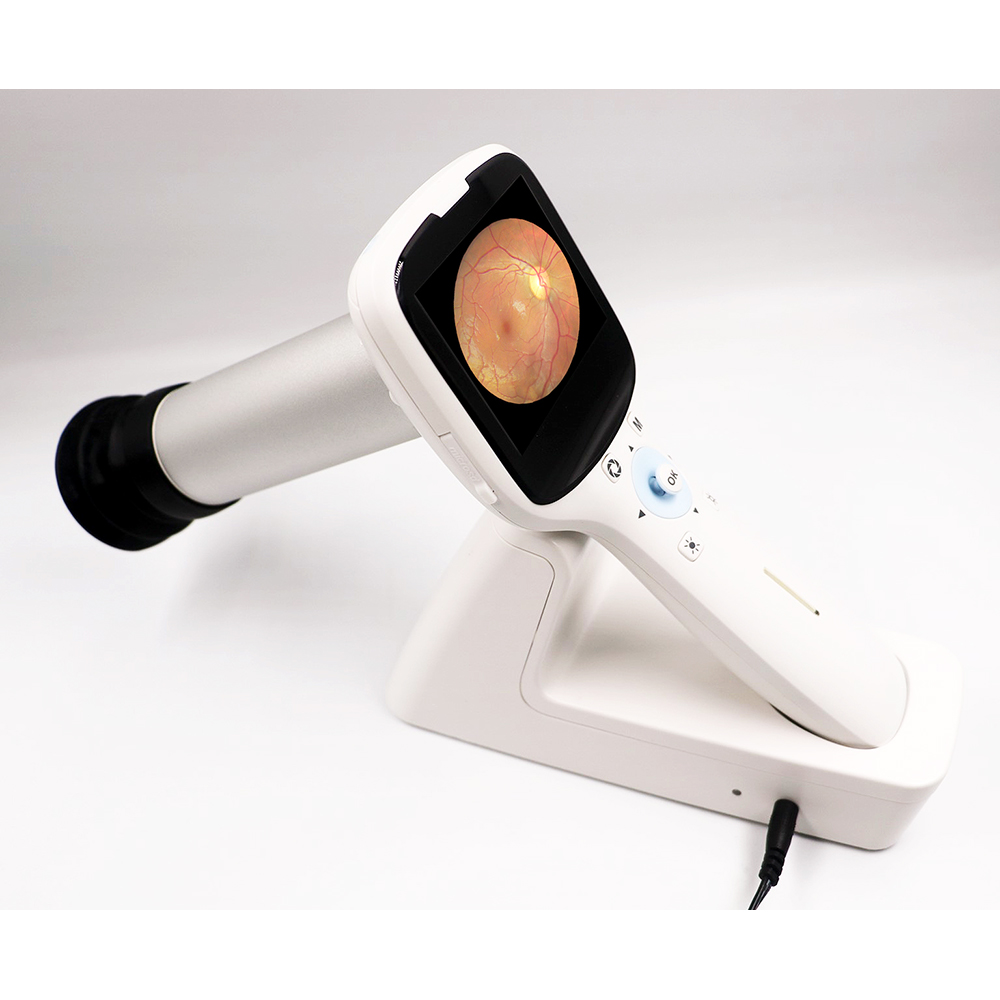
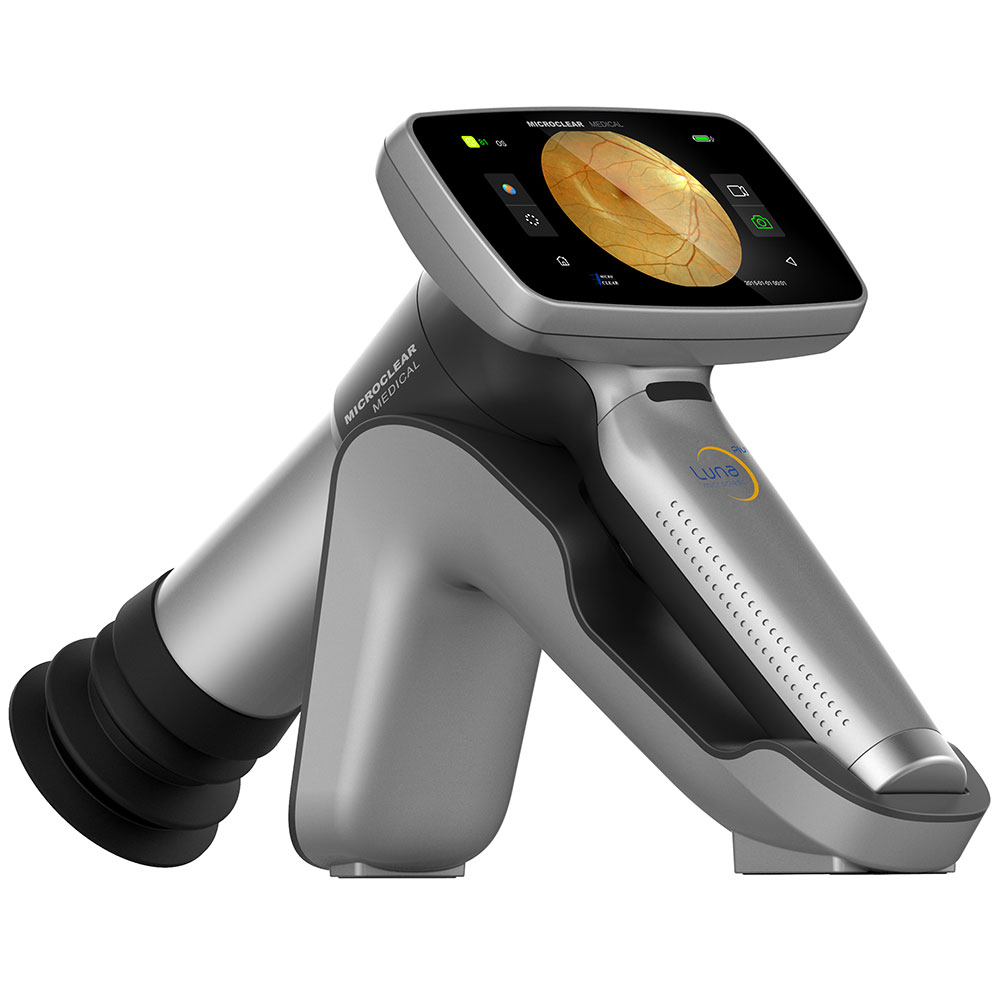
Currently in stock: the Portable Fundus Camera FC-1000P and the higher-resolution Microclear Luna 16MP are both compact, battery-operated units built for mobile programs and multi-site practices. For a clinic-based non-mydriatic setup, the Zeiss Clarus 500 FA (refurbished) and the Zeiss Visucam PRO NM/FA (refurbished) are proven platforms with strong image quality and straightforward EMR integration.
Browse our portable and refurbished fundus cameras, or and tell us what you’re imaging and how often — we’ll point you to the right unit. You can also contact us here.