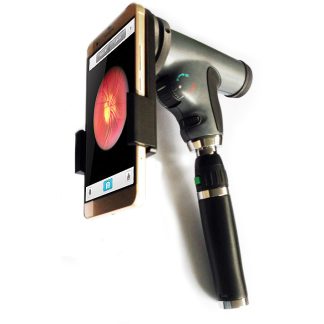
You’re evaluating a pediatric vision screener for your practice, school health program, or community clinic — and the standard Snellen chart isn’t cutting it anymore. You already know that. What you need is a practical breakdown of what actually works, what the technology does, and whether a refurbished unit is worth considering. That’s what this is.
Why the Snellen Chart Is Not Enough
 The Snellen chart tests distance visual acuity in cooperative, verbal patients. That’s it. It cannot detect hyperopia (farsightedness), astigmatism, or anisometropia — the refractive errors most likely to cause amblyopia. A child can read every letter correctly on the chart and still have a clinically significant uncorrected prescription that will affect their reading and learning for years.
Studies estimate that 5–10% of preschool children have a vision disorder that standard chart screening will miss. For school-age children, that number is lower but still meaningful — and the consequences of missing it compound over time.
How Autorefractor-Based Screeners Fix This
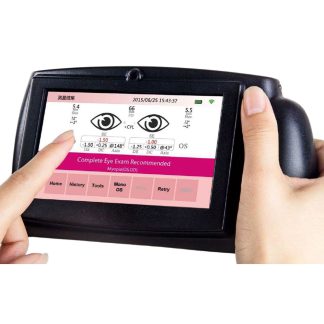
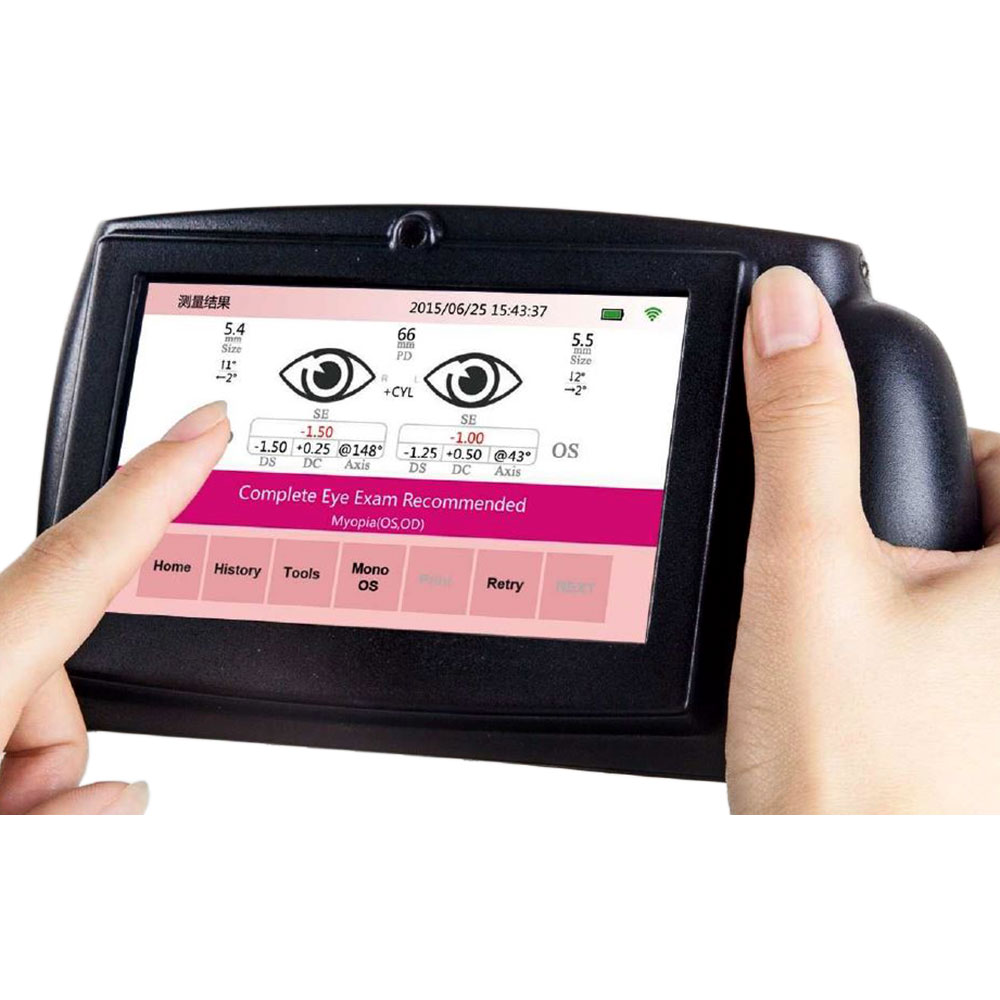
Modern pediatric vision screeners use infrared light to estimate refractive error in both eyes simultaneously, without requiring the child to read anything or respond verbally. The child looks at an animated target. The device captures a measurement in seconds. The result is objective: pass or refer.
The Digital Eye Vision Screener operates this way — binocular, fast, and usable on children as young as six months. For any setting where throughput matters (school screenings, well-child visits, community health programs), the difference in speed and accuracy over chart testing is significant.
Who Actually Needs One of These
Pediatric vision screening isn’t optional — the American Association for Pediatric Ophthalmology and Strabismus (AAPOS) recommends instrument-based pediatric vision screener use starting at age 1. Pediatricians are the obvious answer, but the list is longer. School nurses running K-12 screenings often see hundreds of children per year on a single day with no support staff. Community health organizations screening underserved populations need something portable and easy to operate without a trained ophthalmic technician. Mobile health units working in rural areas face the same constraints.
For all of these settings, the ideal pediatric vision screener is lightweight, battery-powered, produces a clear pass/refer output, and doesn’t require much training. The autorefractor-based screener checks every box. A wall chart checks none of them.
What to Actually Look For in a Pediatric Vision Screener
Testing distance: Most screeners work at 1 meter. That’s short enough for small rooms, young children, and patients who won’t hold attention across the room.
Binocular simultaneous measurement: Both eyes at once, in the same instant. This matters for detecting strabismus risk — you need both eyes measured at the same moment of gaze to catch an alignment issue accurately.
Age-appropriate referral thresholds: The device should apply AAPOS or AAP criteria automatically. Refractive norms differ between infants, preschoolers, and school-age children. A screener using a single adult-standard threshold will over-refer young children and under-refer older ones.
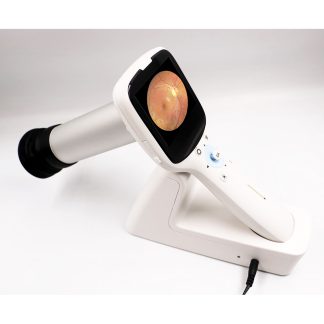
Battery and portability: If the screener lives in one exam room, this is less critical. If it moves between rooms or sites, you want a full day of battery and a form factor light enough to carry without a cart. The Righton Retinomax K-Plus 5 — a handheld auto ref/keratometer designed for pediatric and mobile use — is a good example of this format: it measures through small pupils, generates an objective result in seconds, and weighs under two pounds.
New vs. Refurbished — Is It a Risk?
New autorefractor-based screeners typically run several thousand dollars. Refurbished units from established vendors can come in at 30–50% below that. The optics, sensor, and measurement accuracy are the same. What you’re saving on is age — which, for a device with no consumables and a well-documented service history, is often not a meaningful risk.
The things to confirm before buying refurbished: the sensor has been inspected, firmware is current, and a warranty is included. Digital Eye Center tests all screeners before sale and provides warranty coverage on refurbished units.
One More Thing Worth Knowing
Section 179 of the IRS tax code allows qualifying medical practices to deduct the full purchase price of eligible equipment in the year it’s placed in service. For a practice that hasn’t previously added a pediatric vision screener beyond the Snellen chart, adding a screener this year — new or refurbished — can be both a clinical upgrade and a straightforward tax deduction.
Browse our pediatric vision screener inventory — vision screener and autorefractor inventory — currently including the Digital Eye Vision Screener and the Righton Retinomax K-Plus 5. contact us here if you want a recommendation based on your setting and patient volume.