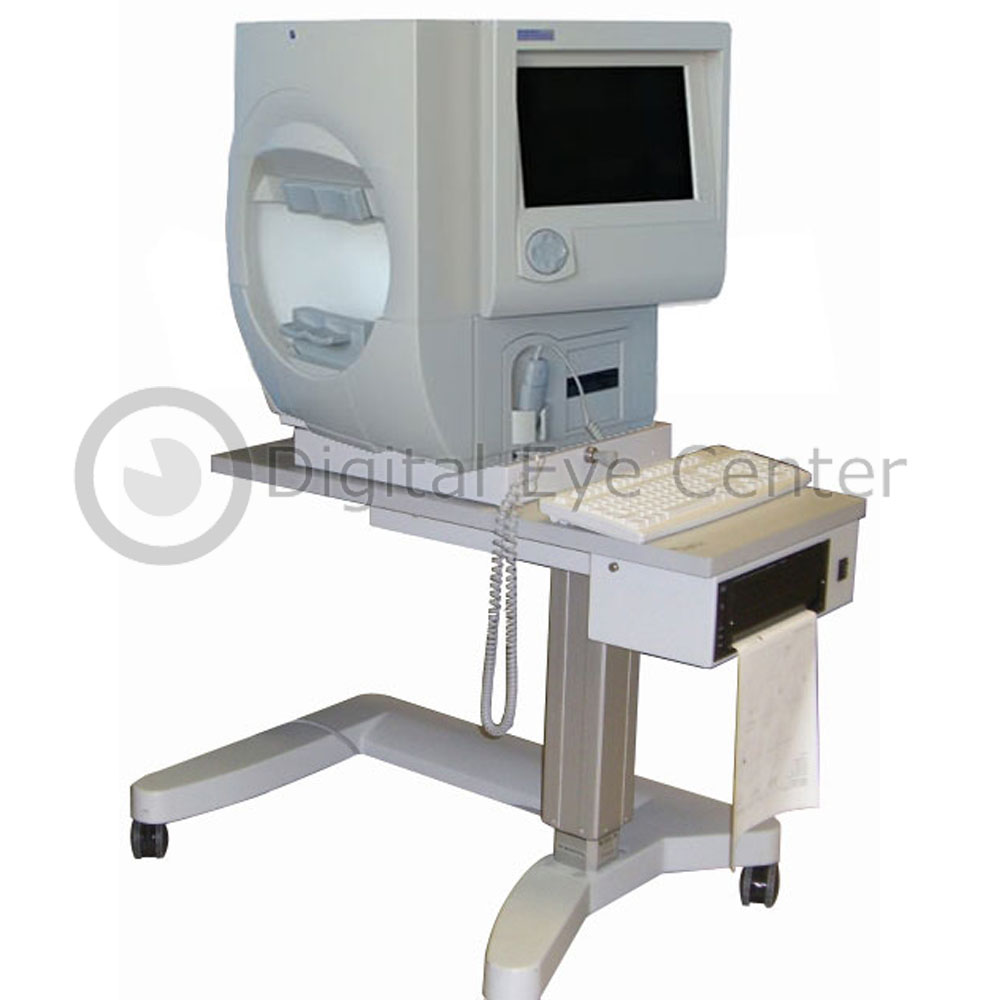
 You’re replacing a Humphrey visual field analyzer — or adding a second one — and the price gap between new and refurbished is somewhere between $20,000 and $40,000. Before you make that call, there are a few things about the HFA platform that are worth understanding, because the decision isn’t just about price.
Mobile Eye Clinic Equipment Checklist: What You Actually Need
You’re building — or rebuilding — a mobile eye clinic, and the equipment list looks overwhelming. Every vendor wants to sell you a full suite of instruments. The reality is that effective mobile eye clinic equipment comes down to five core functions: refraction, IOP measurement, anterior segment exam, fundus evaluation, and screening. Everything else is optional depending on your patient population.
Continue reading Mobile Eye Clinic Equipment Checklist: What You Actually Need
Slit Lamp Adapter Buying Guide: Smartphone, DSLR, and C-Mount Options
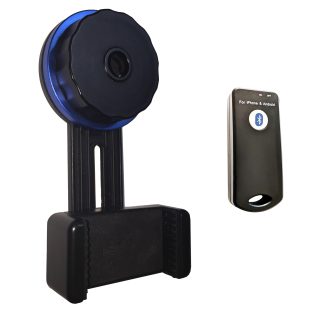
You want to start documenting slit lamp findings — anterior segment lesions, ulcers, post-op changes — and the easiest path is your phone. The hard part is figuring out which slit lamp adapter actually works on your specific lamp without alignment headaches or vignetting. Here’s how to choose between smartphone, DSLR, and C-mount paths, and what to verify before you buy.
Continue reading Slit Lamp Adapter Buying Guide: Smartphone, DSLR, and C-Mount Options
Tono-Pen vs. Non-Contact Tonometer: Which Is Right for Your Office?
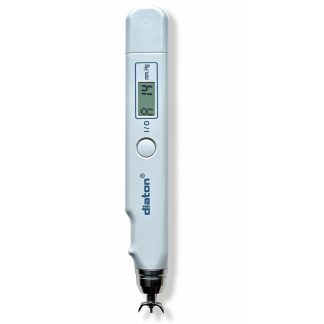
You already measure IOP on every patient. The question is which tonometer fits how your practice actually runs — not which one looks best in a spec sheet. If you’re deciding between a Tono-Pen and a non-contact tonometer (NCT), the answer depends on your patient mix, your workflow, and one or two clinical realities that most buying guides gloss over.
Continue reading Tono-Pen vs. Non-Contact Tonometer: Which Is Right for Your Office?
Autorefractor Keratometer: How to Choose the Right One for a Small Practice
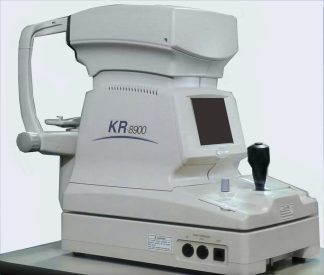
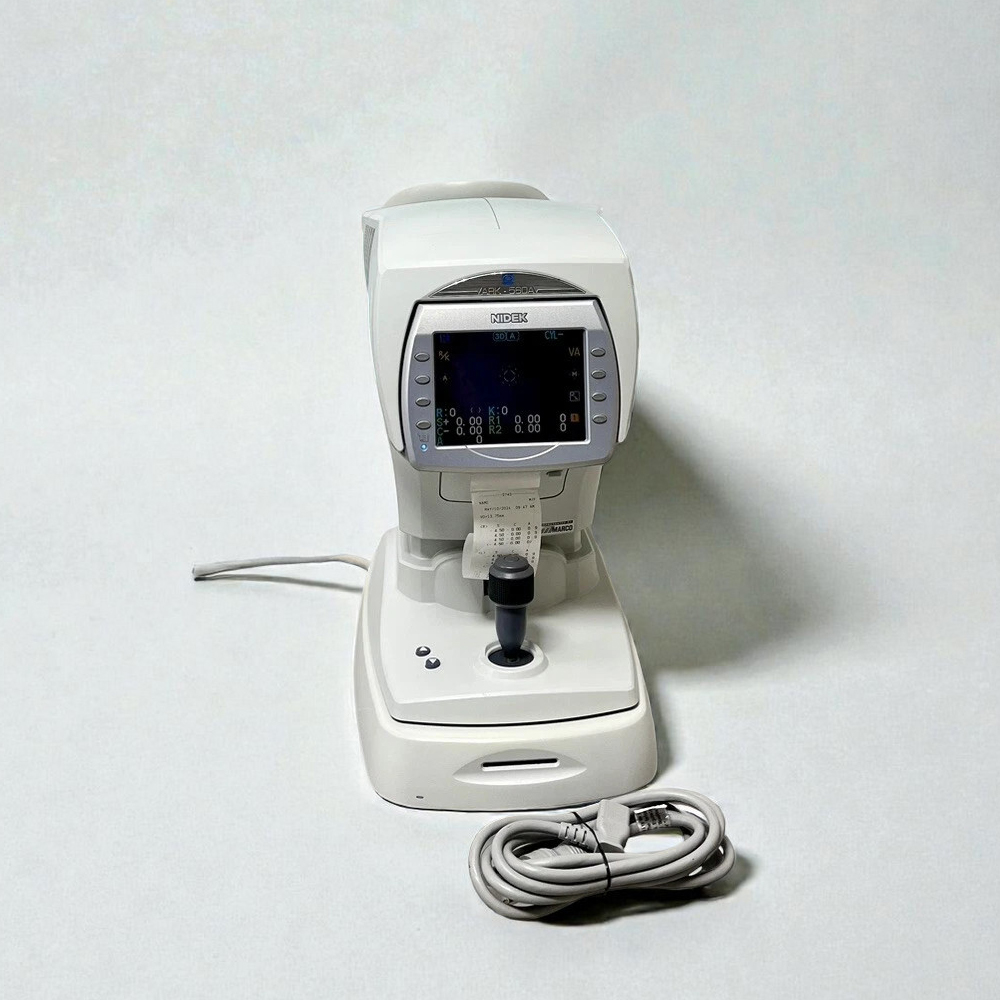 You’re running a small practice — maybe a solo OD, a two-chair office, or a new clinic building out its first lane — and you need an autorefractor keratometer. You don’t need the unit a 20-chair MD group bought. You need the one that won’t rob your exam room of space, won’t require a vendor phone call every time it crashes, and won’t depreciate the entire profit on your next 200 exams. Here’s how to narrow it down without overbuying.
Continue reading Autorefractor Keratometer: How to Choose the Right One for a Small Practice
Used OCT Machine: How to Tell Used from Refurbished Before You Buy
You’re looking at two OCT listings — one says “used,” one says “refurbished” — and the price difference is significant. Before you buy a used OCT machine, you need to know what those labels actually mean in the ophthalmic equipment market. They’re not standardized terms, and vendors use them differently.
Continue reading Used OCT Machine: How to Tell Used from Refurbished Before You Buy
Pediatric Vision Screener: A Practical Buyer’s Guide for Clinicians
You’re evaluating a pediatric vision screener for your practice, school health program, or community clinic — and the standard Snellen chart isn’t cutting it anymore. You already know that. What you need is a practical breakdown of what actually works, what the technology does, and whether a refurbished unit is worth considering. That’s what this is.
Continue reading Pediatric Vision Screener: A Practical Buyer’s Guide for Clinicians
Portable Fundus Cameras: What to Know Before You Buy
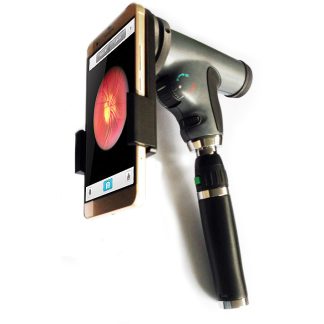
You’re evaluating a portable fundus camera and three vendors are quoting you three different things. The spec sheets don’t line up, the price range is wide, and you’re not sure whether buying refurbished is a risk or just smart. This guide is for that moment — practical, no filler, written for clinicians who already know what a fundus camera does.
Continue reading Portable Fundus Cameras: What to Know Before You Buy
Tax Code 179 for Ophthalmic Equipment
Section 179 of the IRS tax code allows businesses — including medical practices — to deduct the full purchase price of qualifying equipment in the year it is placed in service, rather than depreciating it over several years. For ophthalmologists and optometrists, this can mean writing off the full cost of diagnostic equipment purchased during the tax year.
Continue reading Tax Code 179 for Ophthalmic Equipment2 Portable Handheld Slit Lamp Options at Digital Eye Center
Portable slit lamps have come a long way in recent years. LED illumination, lightweight frames, and rechargeable batteries have made handheld slit lamps a practical option for bedside exams, pediatric patients, remote screenings, and mobile clinics. Here are two handheld options currently available at Digital Eye Center.
Continue reading 2 Portable Handheld Slit Lamp Options at Digital Eye Center