Posted on

Auto Lensmeter Buying Guide: What a Small Practice Should Actually Check

You’re deciding whether an auto lensmeter is worth it for a small practice, or whether the manual unit on your bench is still good enough. The honest answer depends on your volume, your lens mix, and how much operator variability you’re willing to live with. Here’s how to think it through before you spend on a unit you’ll use every single day.

Continue reading Auto Lensmeter Buying Guide: What a Small Practice Should Actually Check

Posted on

Portable vs. Tabletop Fundus Camera: Which Fits Your Screening Volume

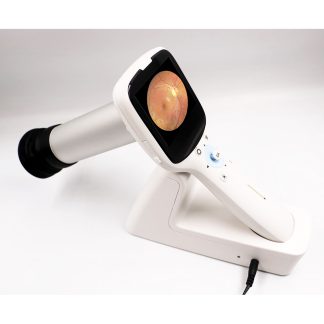
You’re choosing a portable fundus camera or a tabletop system, and the spec sheets won’t tell you which one actually fits your day. The decision comes down to two things almost nobody puts on a quote: how many eyes you image per session, and whether the patient comes to the camera or the camera comes to the patient.

Continue reading Portable vs. Tabletop Fundus Camera: Which Fits Your Screening Volume

Posted on

Non-Contact Tonometer Buying Guide: What to Check Before You Buy

You want a fast IOP reading that a tech can take without anesthesia, and you’re deciding whether a non-contact tonometer belongs in your pre-test lane. The question isn’t whether the air-puff is “as good as Goldmann” — it’s where it fits in your workflow and which used unit is worth your money. Here’s how to sort it out.

Continue reading Non-Contact Tonometer Buying Guide: What to Check Before You Buy

Posted on

How to Set Up a Diabetic Retinopathy Screening Program: Equipment and Workflow

You’re trying to stand up a diabetic retinopathy screening program, and the math already worries you: a large share of your diabetic patients aren’t getting their annual retinal exam, and every missed screen is a preventable case of vision loss walking out the door. The equipment decision is where most programs stall. Here’s how to make it without overbuying.

Continue reading How to Set Up a Diabetic Retinopathy Screening Program: Equipment and Workflow

Posted on

PanOptic Ophthalmoscope: Why a Smartphone Adapter Changes the Exam

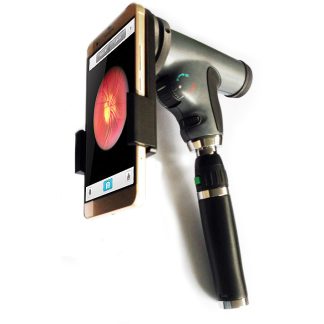
You already use a PanOptic ophthalmoscope because the 25° field of view and 5× magnification do something a standard direct ophthalmoscope can’t — they let you see clinically useful retinal anatomy on an undilated patient in seconds. The question most clinicians get stuck on is what to do with that view once you see something worth documenting. You can’t hand the patient your eyepiece and you can’t dictate “0.4 cup-to-disc with a small drusen” into the chart and expect it to mean anything next visit. That’s where a smartphone adapter changes the entire exam.

Continue reading PanOptic Ophthalmoscope: Why a Smartphone Adapter Changes the Exam

Posted on

Zeiss Cirrus OCT vs. Heidelberg Spectralis: Which Refurbished OCT Is Right for Your Practice?

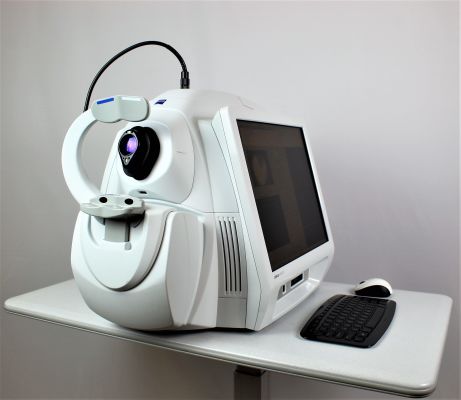
Zeiss Cirrus 5000A OCT refurbished — front view with AngioPlex workstation

Zeiss Cirrus 500 HD-OCT refurbished

You’re evaluating OCT platforms for your practice and two names keep coming up: Zeiss Cirrus and Heidelberg Spectralis. Both are spectral-domain OCT systems. Both produce high-resolution cross-sectional retinal images. But they were built around different clinical philosophies — and that distinction matters when you’re buying refurbished.

Continue reading Zeiss Cirrus OCT vs. Heidelberg Spectralis: Which Refurbished OCT Is Right for Your Practice?

Posted on

Humphrey Visual Field Analyzer: New vs. Refurbished — What Glaucoma Practices Actually Need to Know

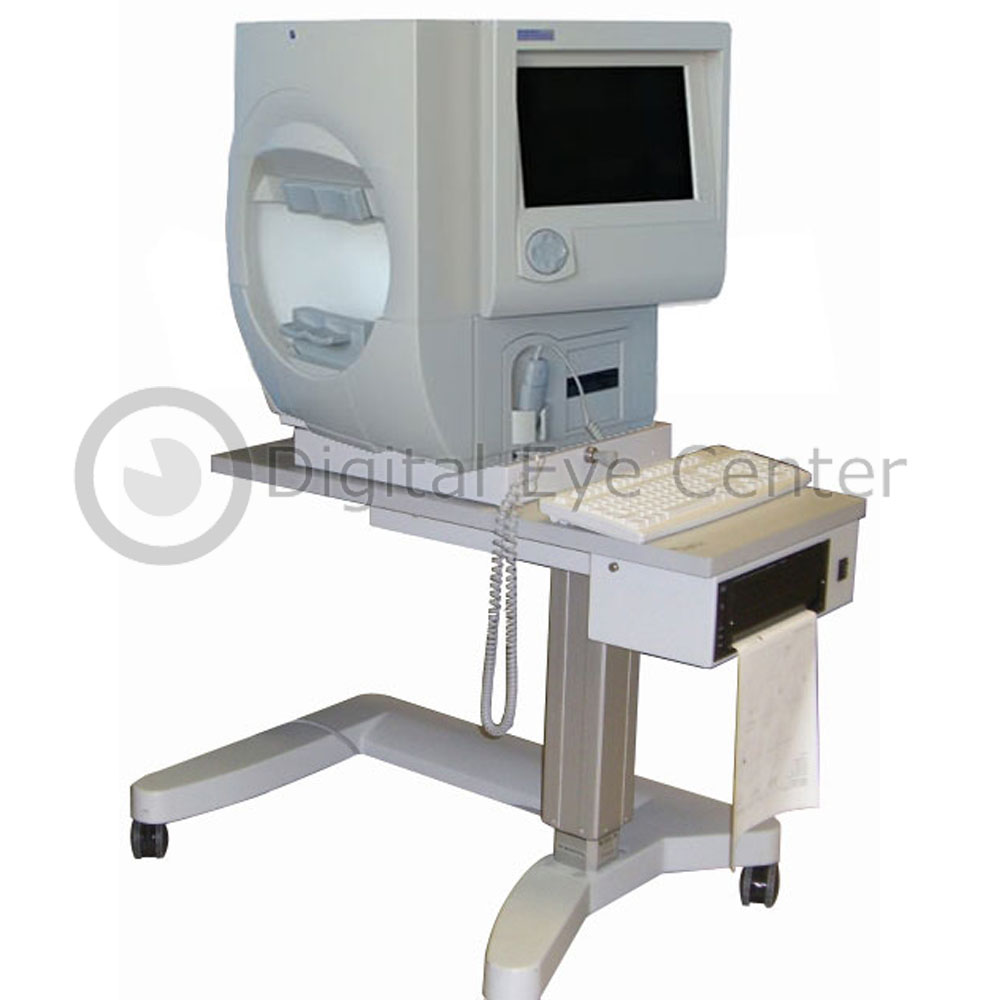
Zeiss Humphrey Visual Field Analyzer HFAYou’re replacing a Humphrey visual field analyzer — or adding a second one — and the price gap between new and refurbished is somewhere between $20,000 and $40,000. Before you make that call, there are a few things about the HFA platform that are worth understanding, because the decision isn’t just about price.

Continue reading Humphrey Visual Field Analyzer: New vs. Refurbished — What Glaucoma Practices Actually Need to Know

Posted on

Mobile Eye Clinic Equipment Checklist: What You Actually Need

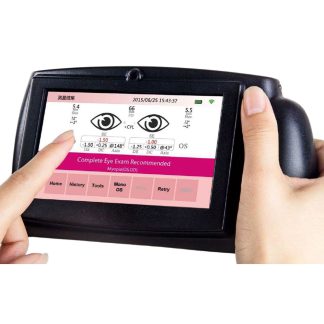
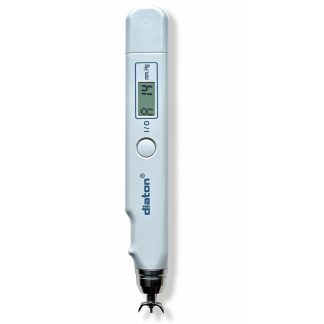
You’re building — or rebuilding — a mobile eye clinic, and the equipment list looks overwhelming. Every vendor wants to sell you a full suite of instruments. The reality is that effective mobile eye clinic equipment comes down to five core functions: refraction, IOP measurement, anterior segment exam, fundus evaluation, and screening. Everything else is optional depending on your patient population.

Continue reading Mobile Eye Clinic Equipment Checklist: What You Actually Need

Posted on

Slit Lamp Adapter Buying Guide: Smartphone, DSLR, and C-Mount Options

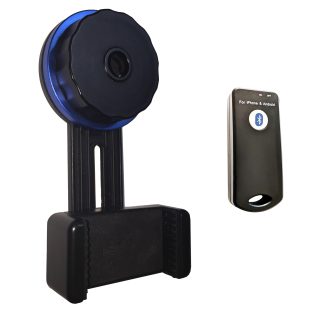
You want to start documenting slit lamp findings — anterior segment lesions, ulcers, post-op changes — and the easiest path is your phone. The hard part is figuring out which slit lamp adapter actually works on your specific lamp without alignment headaches or vignetting. Here’s how to choose between smartphone, DSLR, and C-mount paths, and what to verify before you buy.

Continue reading Slit Lamp Adapter Buying Guide: Smartphone, DSLR, and C-Mount Options

Posted on

Tono-Pen vs. Non-Contact Tonometer: Which Is Right for Your Office?

You already measure IOP on every patient. The question is which tonometer fits how your practice actually runs — not which one looks best in a spec sheet. If you’re deciding between a Tono-Pen and a non-contact tonometer (NCT), the answer depends on your patient mix, your workflow, and one or two clinical realities that most buying guides gloss over.

Continue reading Tono-Pen vs. Non-Contact Tonometer: Which Is Right for Your Office?