
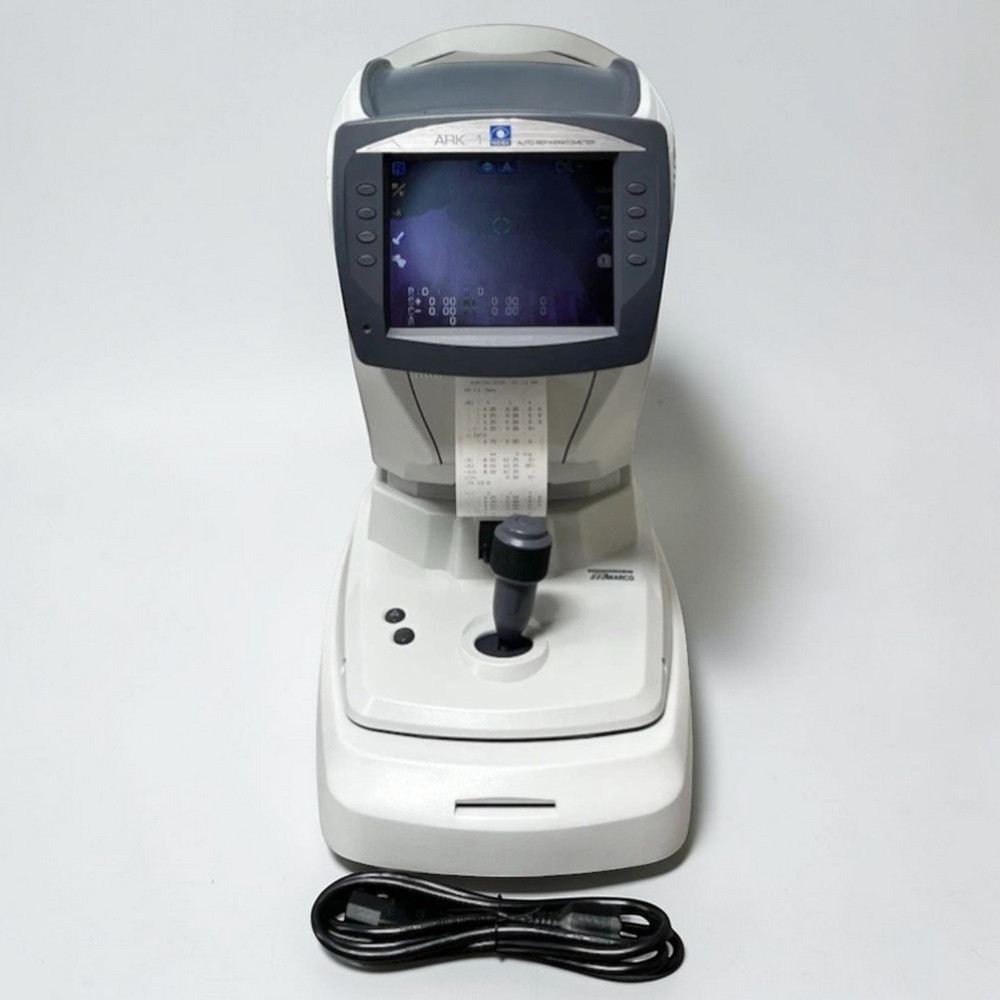
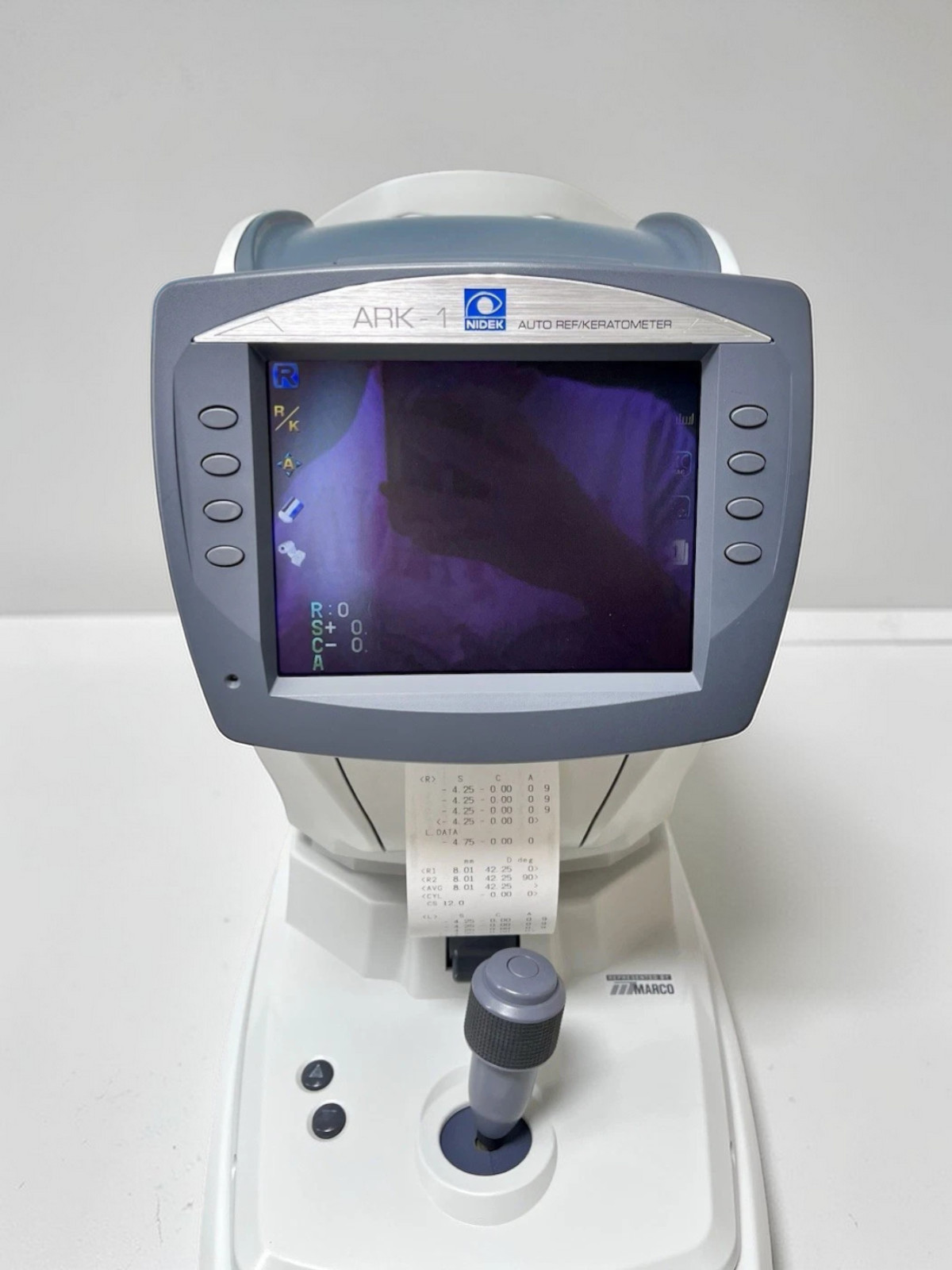
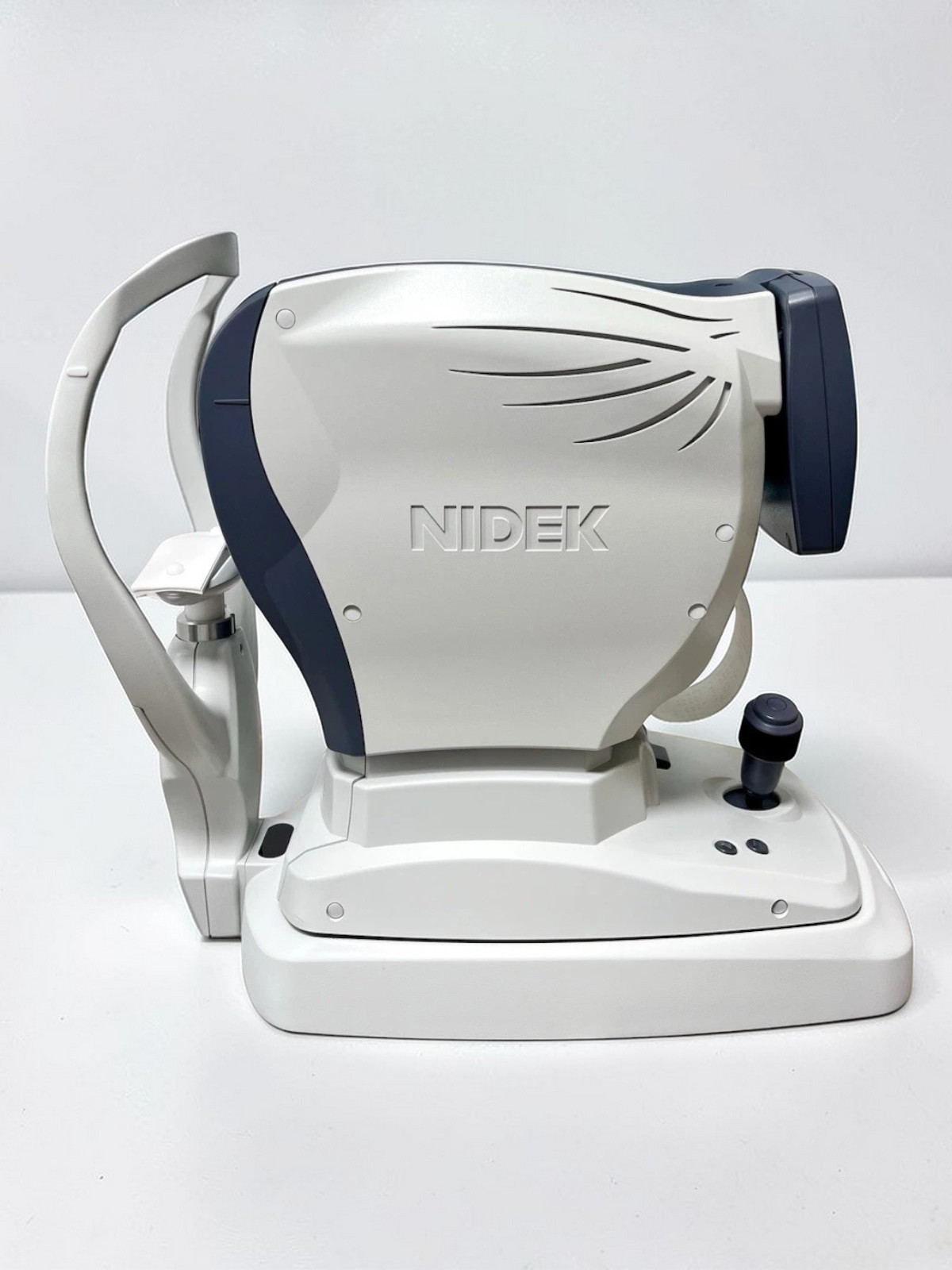
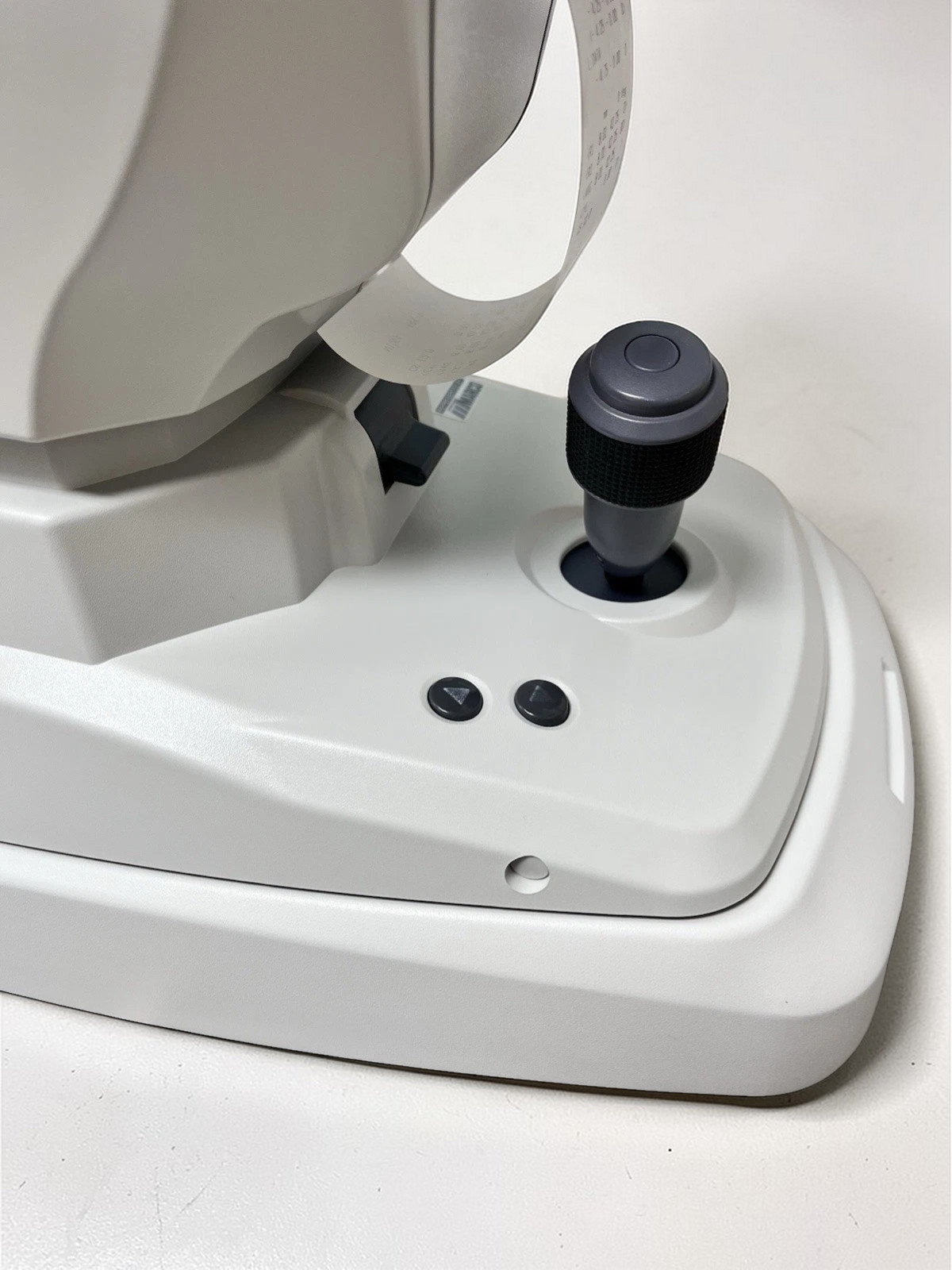
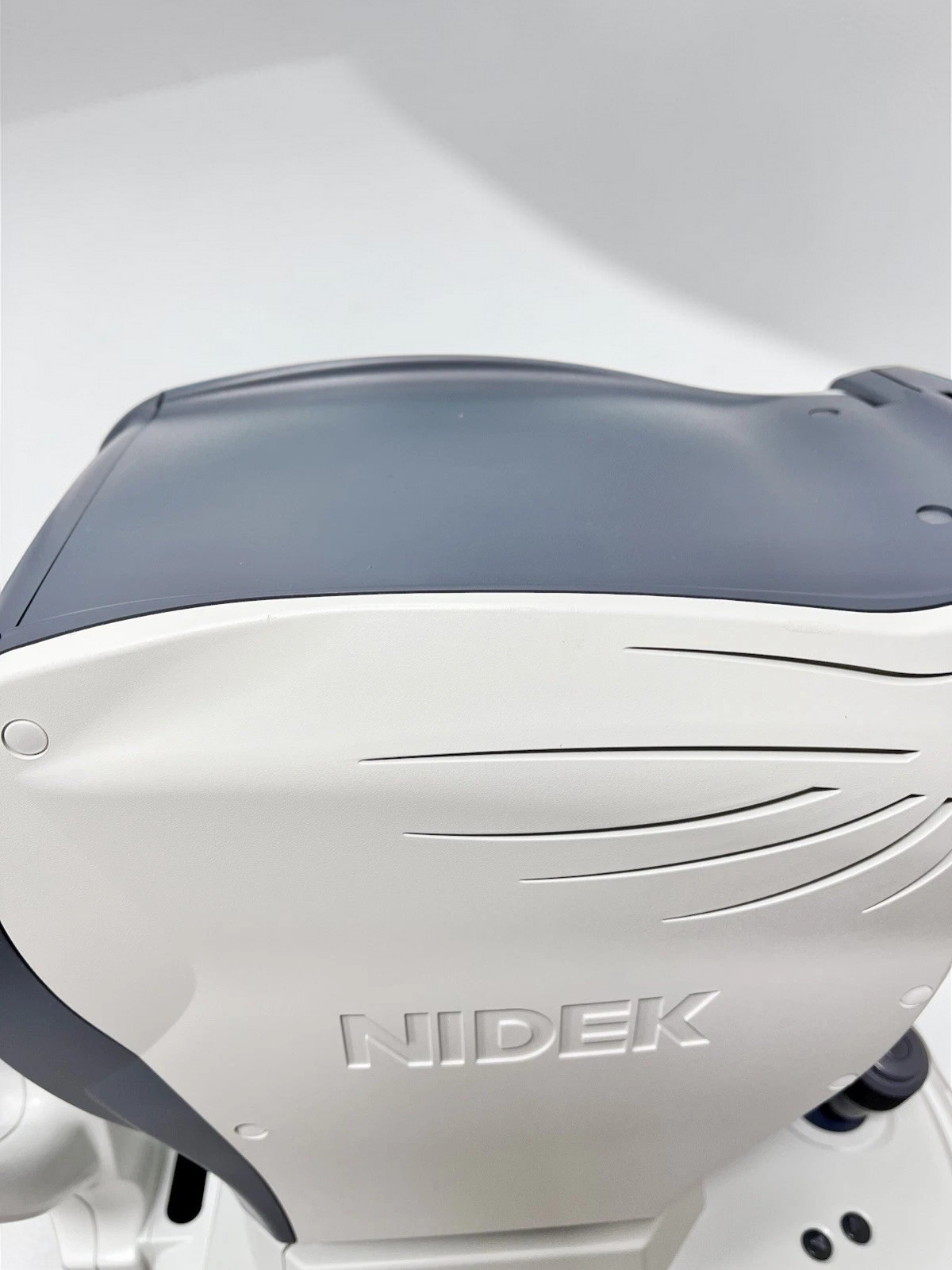
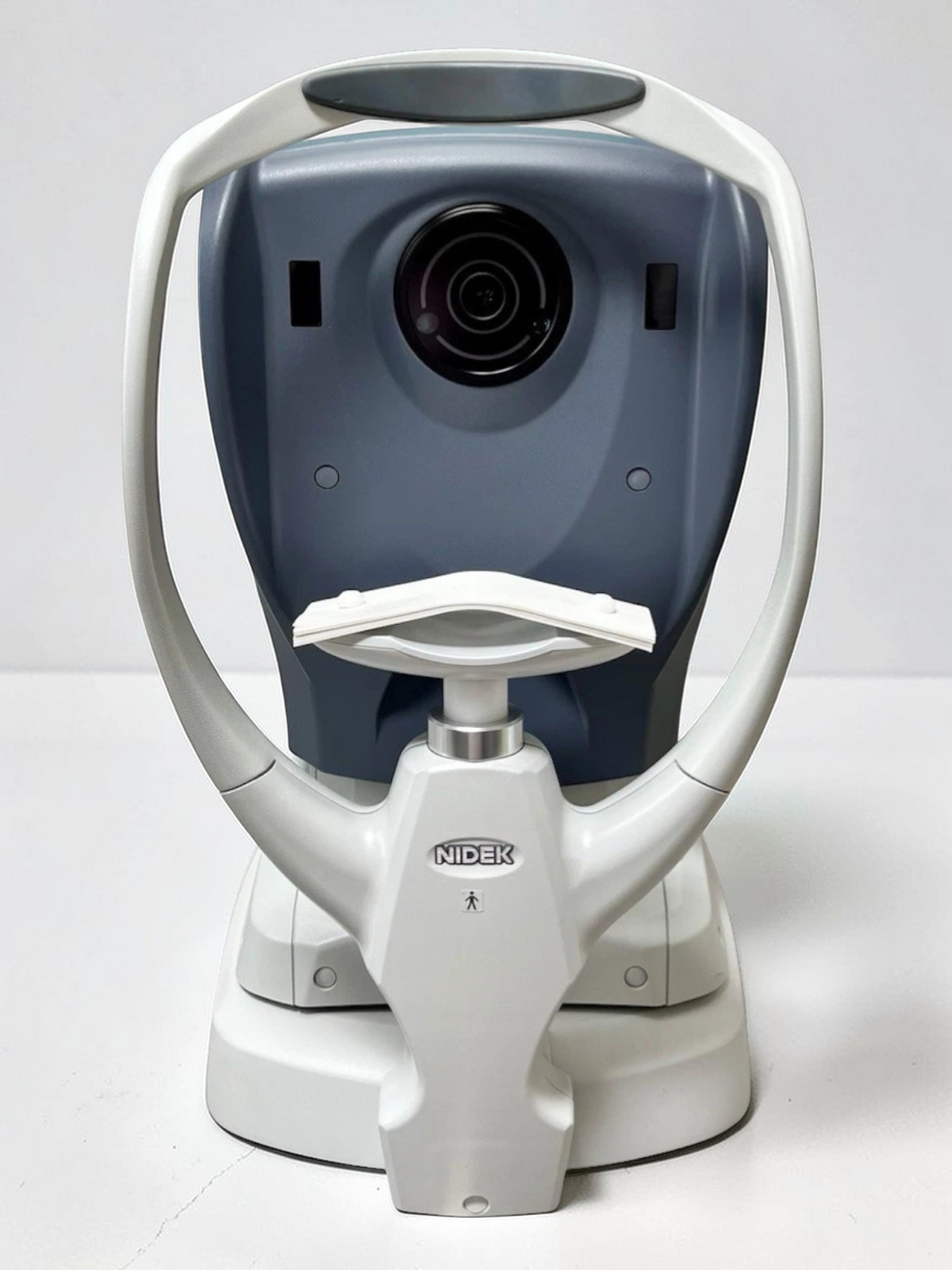
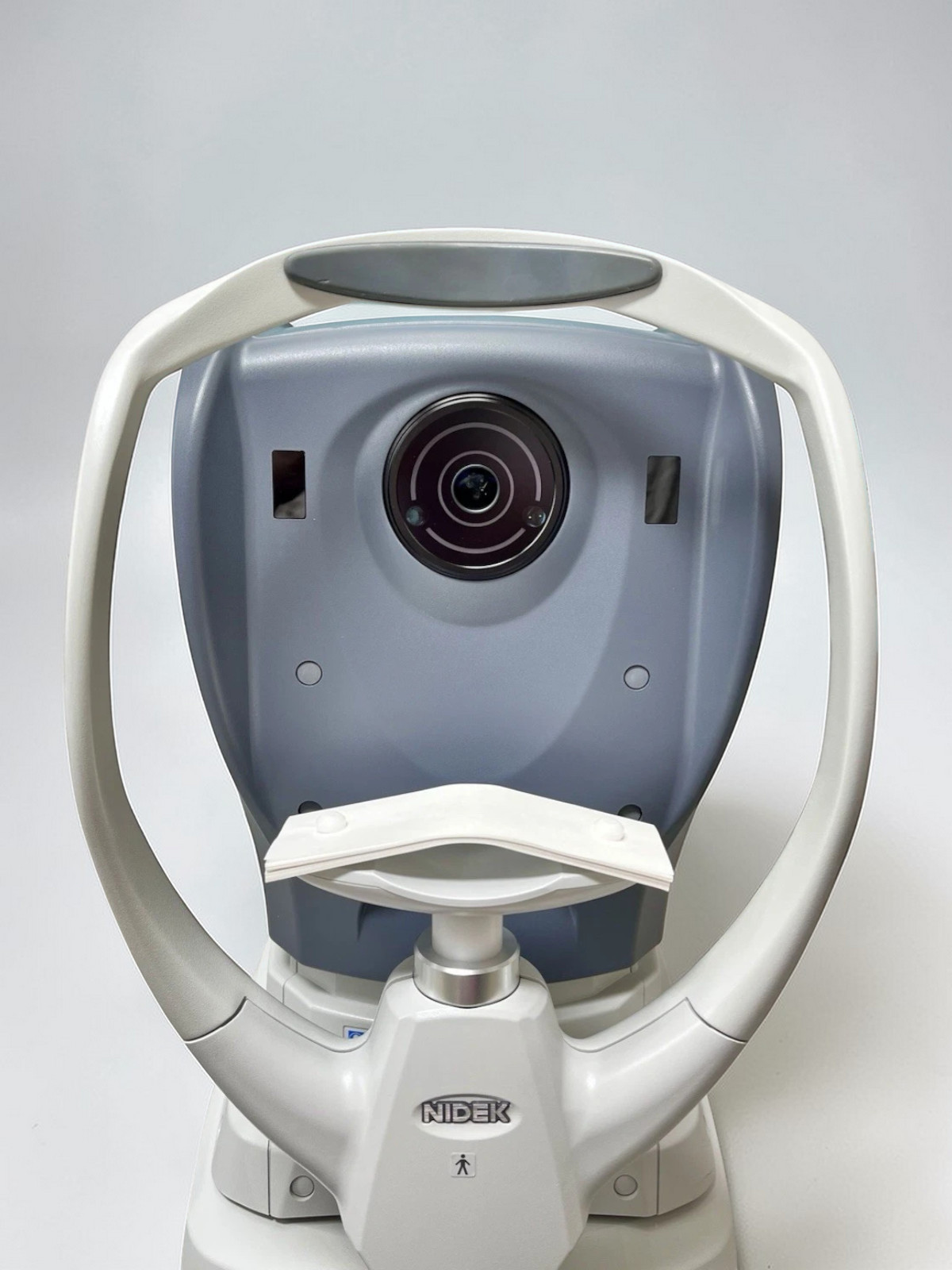
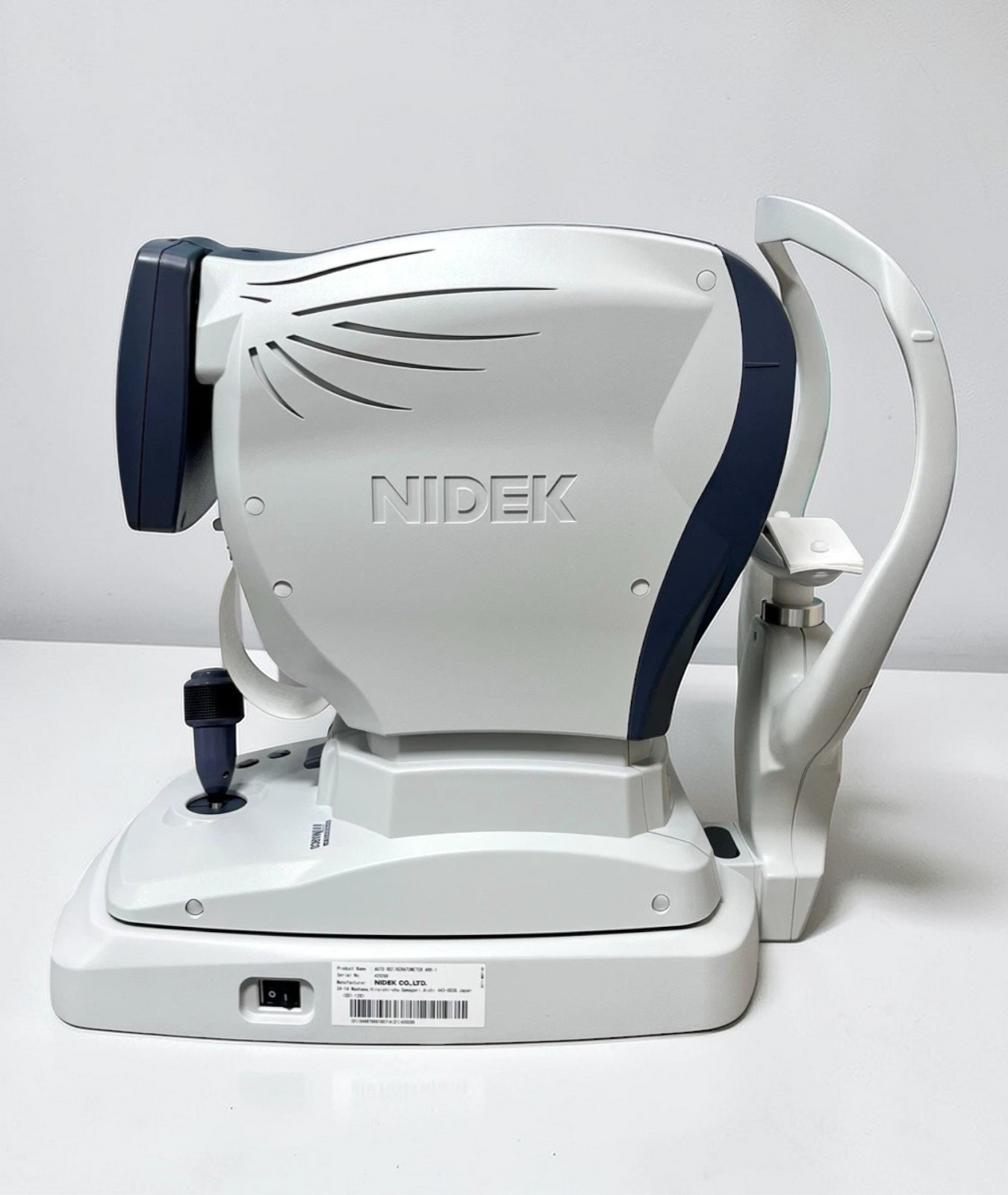
Description
The Superior Superior Auto Auto and Auto
What is the superior auto The ARK-1/AR-1 series speak for themselves, and auto refractometer with generating greater accuracy
Superior Superior Function Functions
- Accurate Refraction Measurement
- Simple Opacity Assessment
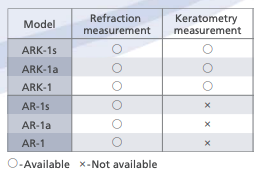
Re Ref/Keratometer Keratometer Refractometer
ref/keratometer and auto refractometer? surpassing a conventional auto ref/keratometer technologically enhanced functions and greater clinical information.
for Superior Superior Outcomes
- Easy VA Measurement with Glare Test
- Patient-friendly Accommodation Measurement
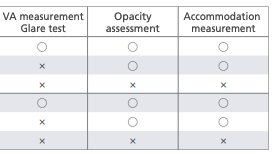
Accurate Refraction Measurement
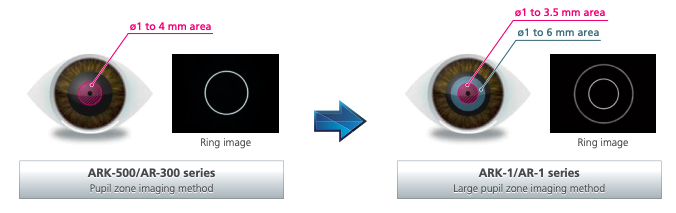
Large Pupil Zone Imaging Method
The large pupil zone imaging method enables the measurement of wide area refraction of up to 6 mm diameter and can indicate the difference between the wide area refraction and central area refraction of up to 3.5 mm diameter. The pupil diameter is measured simultaneously. The difference of the measurement allows assessment of the effect of pupil size such as a vision in dim light.
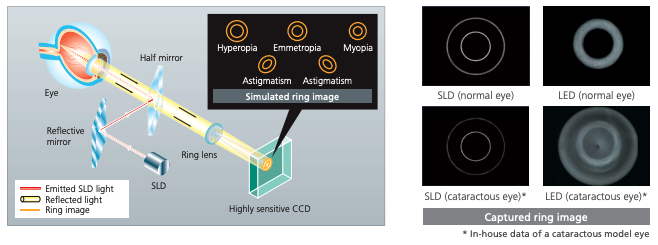
Super Luminescent Diode and Highly Sensitive CCD
Incorporation of the Super Luminescent Diode (SLD) provides a sharper and clearer image compared to a conventional LED. The highly sensitive CCD detects the ring image even if the fundus reflection is weak. The system combining the SLD and highly sensitive CCD significantly improves measurement capability even in dense cataractous eyes.
Optimal Fogging to Minimize Accommodation (available for the ARK-1s/1a and AR-1s/1a)
Fogging is performed after correcting the patient’s astigmatism with built-in cylinder lenses. This allows the patient to view the target clearly and minimizes the interference with accommodation even in high astigmatism.
Easy VA Measurement with Glare Test
VA Measurement with Built-in Charts and Lenses (available for the ARK-1s and AR-1s)
The ARK-1s/AR-1s provides visual acuity (VA) measurement. This unique function enables a quick check of the patient’s refractive error by comparing subjective measurement with objective measurement. Even corrected near visual acuity is measurable with easy operability to determine the need for a progressive lens.
| Recall Function for Instant Vision Comparisons (available for the ARK-1s/1a/1 and AR-1s/1a)
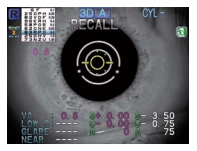
The recall function provides the instant comparison between vision corrected with AR data and uncorrected vision or vision corrected with the data of patient’s own glasses. For the patient, this function demonstrates the difference in vision and the necessity for more appropriate vision correction. |
 |
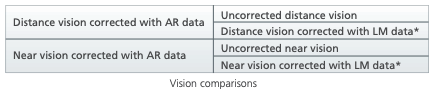 |
*The data of patient’s own glasses has to be imported from a NIDEK lensmeter. |
| Contrast and Glare Test (available for the ARK-1s and AR-1s)
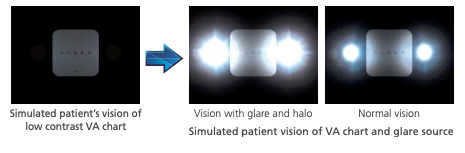
After a low contrast VA chart is presented, a glare source is illuminated beside the chart and the glare VA can be measured. With this test the effect of glare and halo to visual performance can be measured. This utility can be used for cataract and refractive surgery patients. |
 |
Keratometry Measurement with Mire Ring (available for the ARK-1s/1a/1)
The mire ring is used to measure keratometry. It reduces eyelid artifacts.

Patient-friendly Accommodation Measurement
(available for the ARK-1s/1a and AR-1s/1a)
| Accommodation Measurement with Intelligence Algorithm
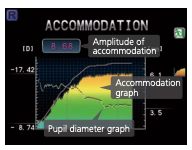
Objective measurement of accommodation is performed with patient’s focusing on a target which moves from distance to near. Intelligence algorithm detects the patient response and reduces the measurement time in cases with a slow or weak accommodative response. The accommodation measurement helps to assess pseudomyopia, eyestrain, and accommodative palsy |
 |
| Measurement with Astigmatism Correction
Astigmatism is corrected with built-in cylinder lenses prior to measurement. It reduces the influence of astigmatism on the measurement of accommodation. |
 |
| Assessment for Intermediate or Near Vision Lens
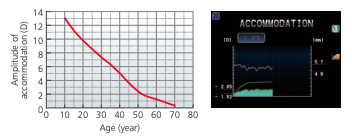
The assessment of accommodation based on the age-accommodation relation allows to suggest whether an intermediate or near lens is required. |
Courtesy of Masayoshi Kajita, MD, PhD
The amplitudes of accommodation on the graph are values of subjective measurement. The amplitudes of accommodation of objective measurement tend to be lower than those on the graph. |
Simple Opacity Assessment
(available for the ARK-1s/1a and AR-1s/1a)
| Retroillumination Image and NIDEK Cataract Indices
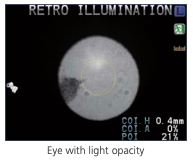
The retroillumination image enables the observation of opacity of the optical media of the eye. NIDEK cataract indices indicate the severity of the opacity and help to assess the progression of pathology
|
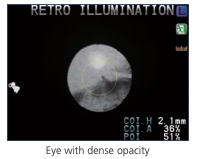 |
The NIDEK cataract indices are for reference only. The following conditions may indicate different indices from ones of actual status.
|
 |

Practical and User-friendly Features
 |
 |
 |
 |
 |
Specifications
| Refraction Measurement – Sphere | -30.00 to +25.00 D (VD = 12 mm) |
| Refraction Measurement – Cylinder | 0 to ±12.00 D |
| Refraction Measurement – Axis | 0° to 180° |
| Minimum Pupil Diameter | Ø 2 mm |
| Keratometry – Curvature Radius | 5.00 to 13.00 mm |
| Keratometry – Refractive Power | 25.96 to 67.50 D |
| Keratometry – Cylinder Power | 0 to ±12.00 D |
| Keratometry – Axis | 0° to 180° |
| Sagittal Measurement | 25° from center (4 directions) |
| Accommodation Measurement Range | 0 to 10.00 D |
| Pupillary Distance (PD) | 30 to 85 mm |
| Corneal Size Measurement | 10.0 to 14.0 mm |
| Pupil Size Measurement | 1.0 to 10.0 mm |
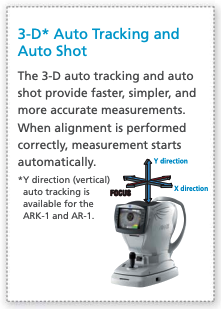
| Auto Tracking | X, Y, Z directions |
| Auto Shot | Available |
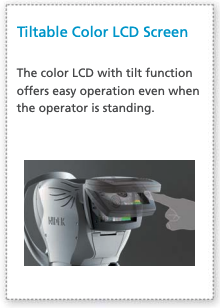
| Display | 6.5-inch tiltable color LCD |
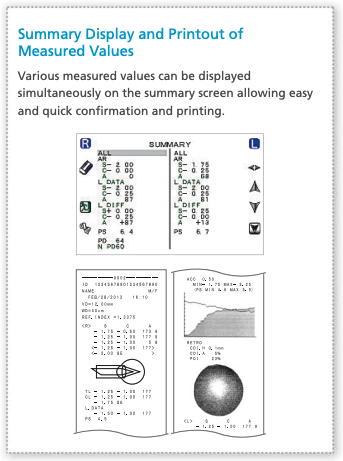
| Printer | Thermal printer with auto cutter |
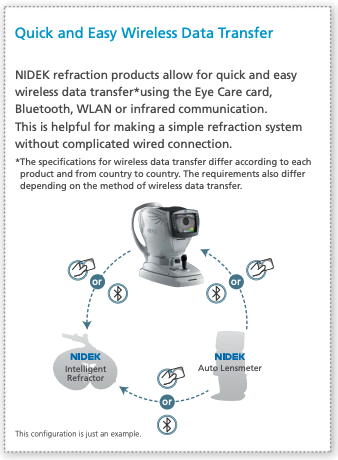
| Interface | RS-232C, USB, LAN |
| Power Supply | 100–240 V AC, 50/60 Hz |
| Power Consumption | 100 VA |
| Dimensions / Weight | 260 × 495 × 457 mm / 20 kg |